
Per the government announcement,
Background
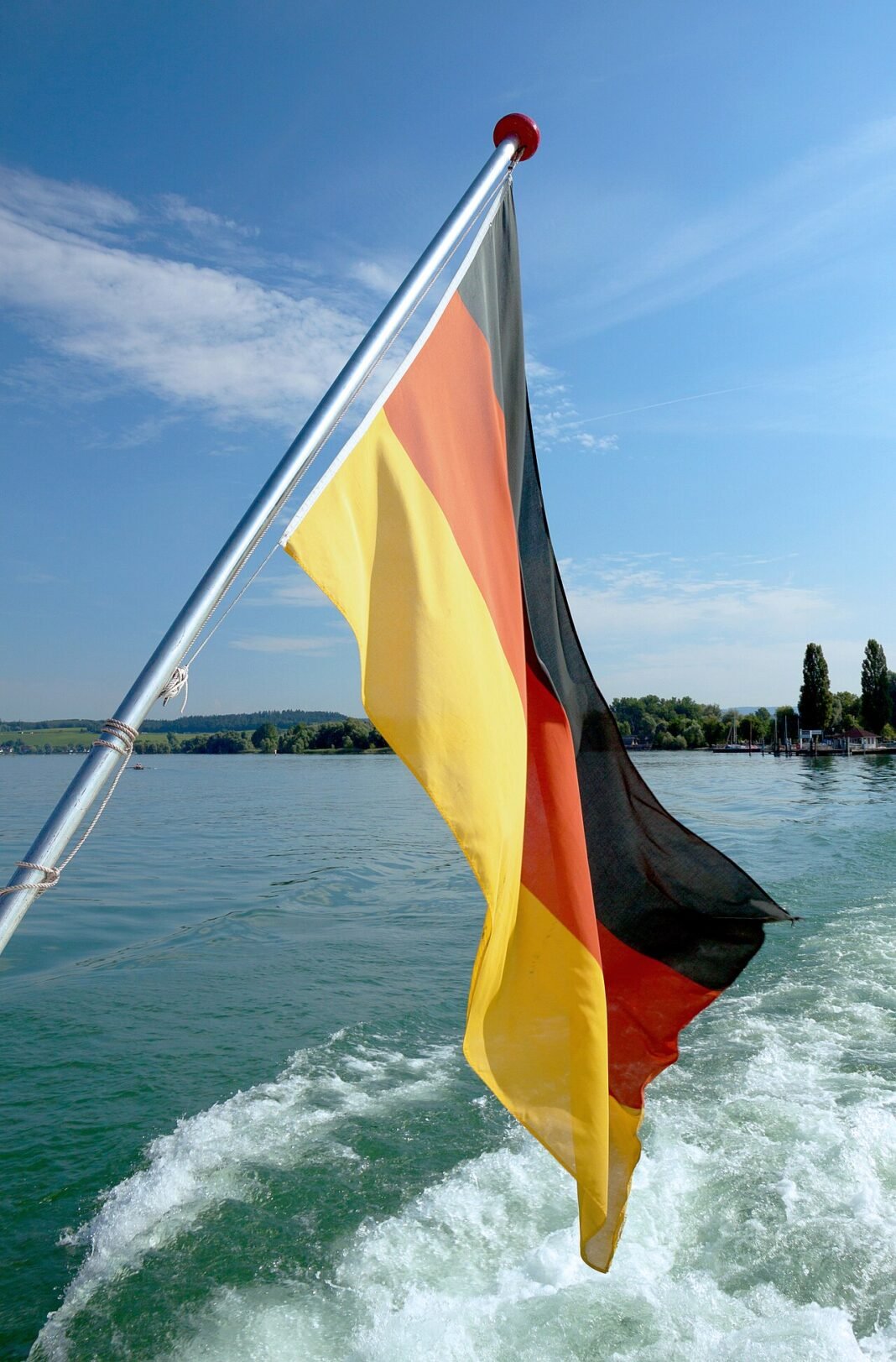
The statement does not mention prior meetings or agreements directly preceding this announcement. However, it establishes a timeline – “a few months ago” – when the First Separate Assault Regiment gifted the flag to Foreign Minister Johann Wadephul. This suggests a sustained engagement between German and Ukrainian military units, born from the immediate aftermath of Russia’s invasion. The release clarifies that before the war, the individuals represented by the flag held diverse civilian occupations: a student, a family doctor, a social worker, a historian, and a theatre director. This underscores the breadth of those affected by the conflict and establishes a foundation for understanding the scale of Germany’s subsequent support. The statement does not address the ongoing nature of Ukraine’s struggle against Russian aggression.
Analysis
The core incentive driving this action is solidarity with Ukraine, framed as defense against “tyranny” – a direct reference to the Kremlin’s justification for the invasion. This suggests Germany’s commitment extends beyond immediate humanitarian aid to encompass broader geopolitical concerns regarding autocratic regimes globally. The release contains a significant contradiction: acknowledging the soldiers’ extraordinary courage and resilience while simultaneously recognizing the long-term challenges they face upon returning home. This highlights the complex nature of supporting veterans, a reality that requires comprehensive solutions addressing physical and psychological wounds alongside reintegration into civilian life. If implemented as described, Germany’s pledge represents an acknowledgement of Ukraine’s enduring needs – not just during the current conflict but in its aftermath. The statement does not address the specific mechanisms for providing this “three million euros” support, nor does it detail the priorities within that funding allocation.
Implications
For policymakers, Wadephul’s gesture carries significant symbolic weight, reinforcing Germany’s position as a key partner in Ukraine’s defense and future reconstruction. The commitment to veteran support has immediate implications for regional stability – signaling continued German engagement within the broader NATO alliance framework. Furthermore, the release touches upon trade and security considerations. A stable and prosperous Ukraine is viewed as crucial for maintaining economic ties and bolstering European security against Russian aggression. However, the statement does not address potential challenges related to integrating a large veteran population back into the Ukrainian workforce or the broader economy.
Outlook
Should the visit yield continued German support, the future hinges on Ukraine’s ability to effectively leverage this assistance. If Ukrainian structures lead in providing comprehensive support for veterans and their communities, as suggested, Germany’s role will shift towards coordination and resource mobilization. Should the integration of veterans prove difficult – if reintegration efforts fail to adequately address the psychological trauma experienced by combatants – the statement does not offer a contingency plan. The commitment to three million euros represents an initial investment; sustained funding will be crucial for long-term success.