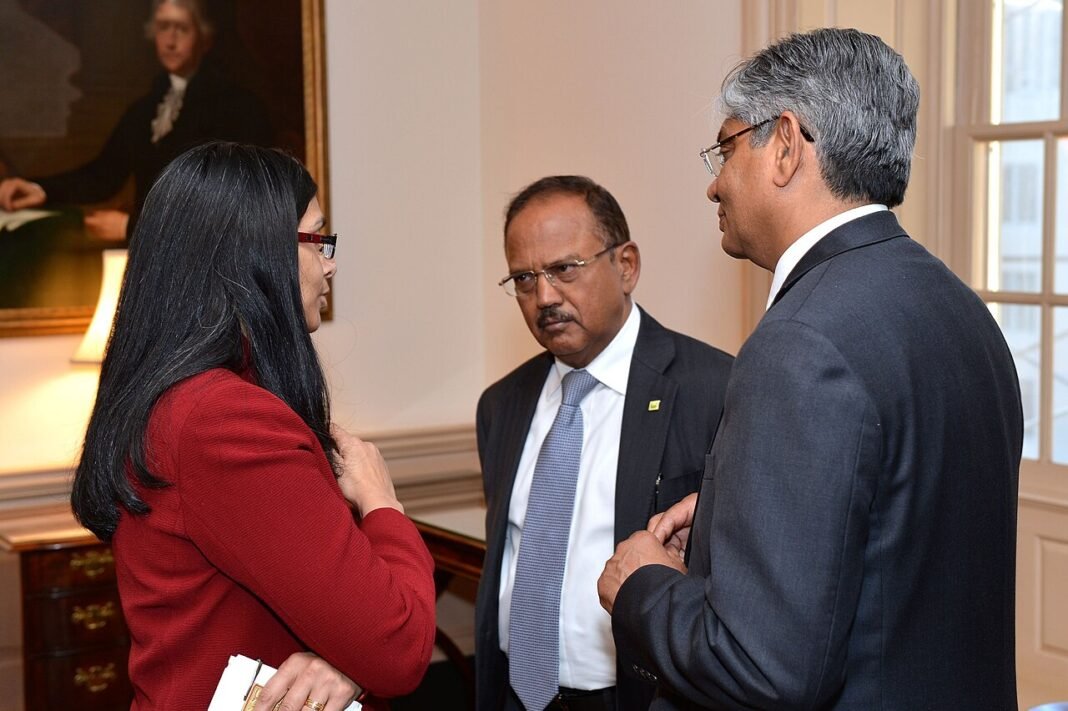
The official readout frames the trip as The official statement detailing Minister of State for External Affairs and Textiles, Shri Pabitra Margherita’s recent trip to Vietnam, Lao PDR, and Palau – from August 26th to September 2nd, 2026 – reveals a concerted effort by New Delhi to bolster its strategic footprint in Southeast Asia. The visit, coinciding with the elevation of India-Vietnam relations to an “Enhanced Comprehensive Strategic Partnership,” underscores a shift away from traditional South Asian focus. This move matters because it reflects a deliberate recalibration of Indian foreign policy priorities amidst evolving geopolitical dynamics in the Indo-Pacific.

Background
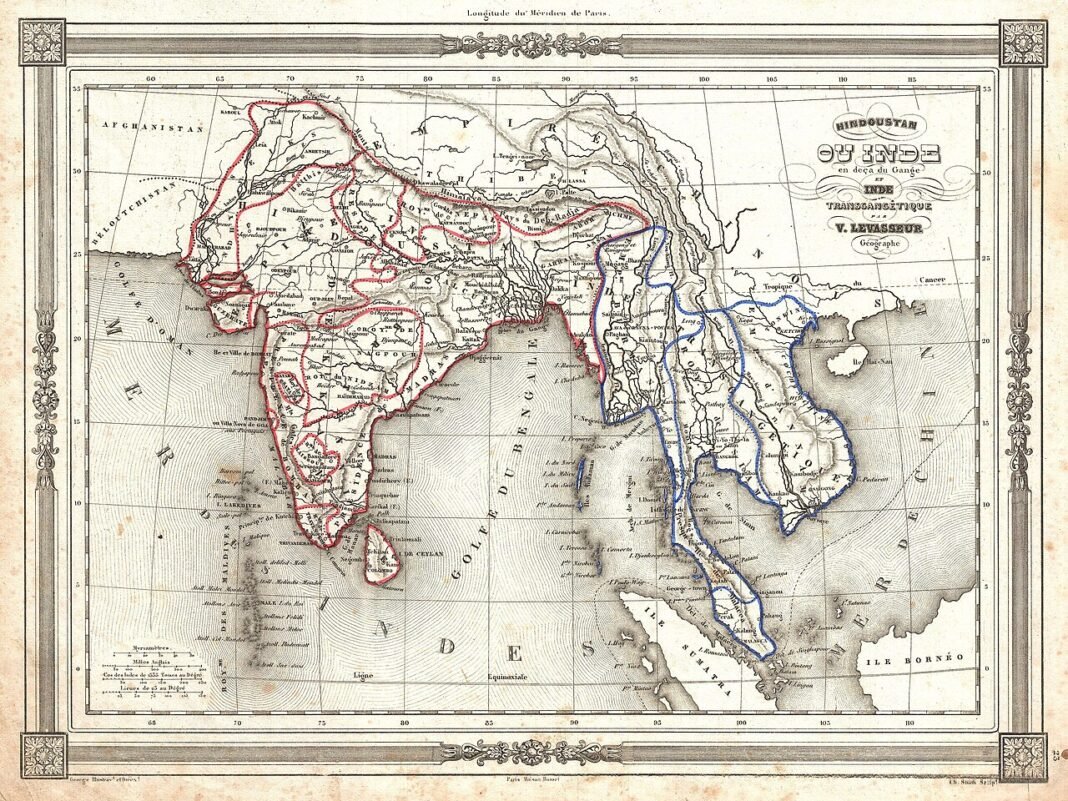
The visit’s timing is crucial, immediately following the trip by Vietnamese Party General Secretary and President H.E. To Lam to India where bilateral relations were elevated to an “Enhanced Comprehensive Strategic Partnership.” This signifies a significant step in deepening collaboration on security matters, particularly regarding maritime security in the South China Sea – a region of increasing strategic contention. The statement does not address the specific nature of this enhanced partnership beyond the general descriptor. It references the Indian Act East Policy and Indo-Pacific vision, frameworks developed to enhance connectivity and economic cooperation across Southeast Asia.
Analysis
India’s motivations are multi-faceted. The statement highlights shared civilizational links between India and Vietnam and Lao PDR – a connection rooted in historical trade routes and cultural exchange. This provides an underlying rationale for deepening engagement, though the strategic implications remain largely undefined. Should the visit yield success in securing greater access to regional supply chains, as appears intended by the strengthening of ties with the Mekong region nations, it would represent a significant shift in India’s economic strategy. The intent to support ASEAN unity and centrality reflects India’s broader commitment to bolstering multilateral institutions. However, the absence of specific details regarding trade agreements or defense cooperation – particularly given India’s persistent concerns about China’s growing influence – suggests a cautious approach.
Implications
The visit carries implications for regional stability. India’s engagement with Vietnam and Lao PDR, key partners in India’s Act East Policy, directly counters the increasing assertiveness of China in the South China Sea. The participation in the Pacific Islands Forum (PIF) Leaders’ Meeting in Palau – a strategically important location for Australia and the United States – signals an attempt to broaden India’s diplomatic reach within the broader Indo-Pacific. This expansion could lead to increased competition with other major powers, particularly concerning security assistance and investment opportunities within the region. The statement does not address potential challenges related to navigating differing geopolitical alignments amongst PIF member states.
Outlook
If the visit yields a strengthened commitment from Vietnam and Lao PDR to collaborate on maritime security initiatives, India’s position in the Indo-Pacific could become more assertive. Should the engagement with Palau result in expanded economic cooperation – particularly concerning infrastructure development projects – it would demonstrate a tangible return on India’s strategic investments. The statement does not address whether India intends to increase its military presence within the region or provide greater security assistance to Pacific Island nations.
Conclusion
The Minister of State’s visit represents an initial step in what appears to be a deliberate, if somewhat opaque, strategic realignment. The success of this effort hinges on India’s ability to translate diplomatic engagement into concrete outcomes – particularly regarding regional security and economic partnerships. The statement does not offer any indication as to whether the trip will ultimately result in a more secure or prosperous future for India’s Southeast Asian allies.