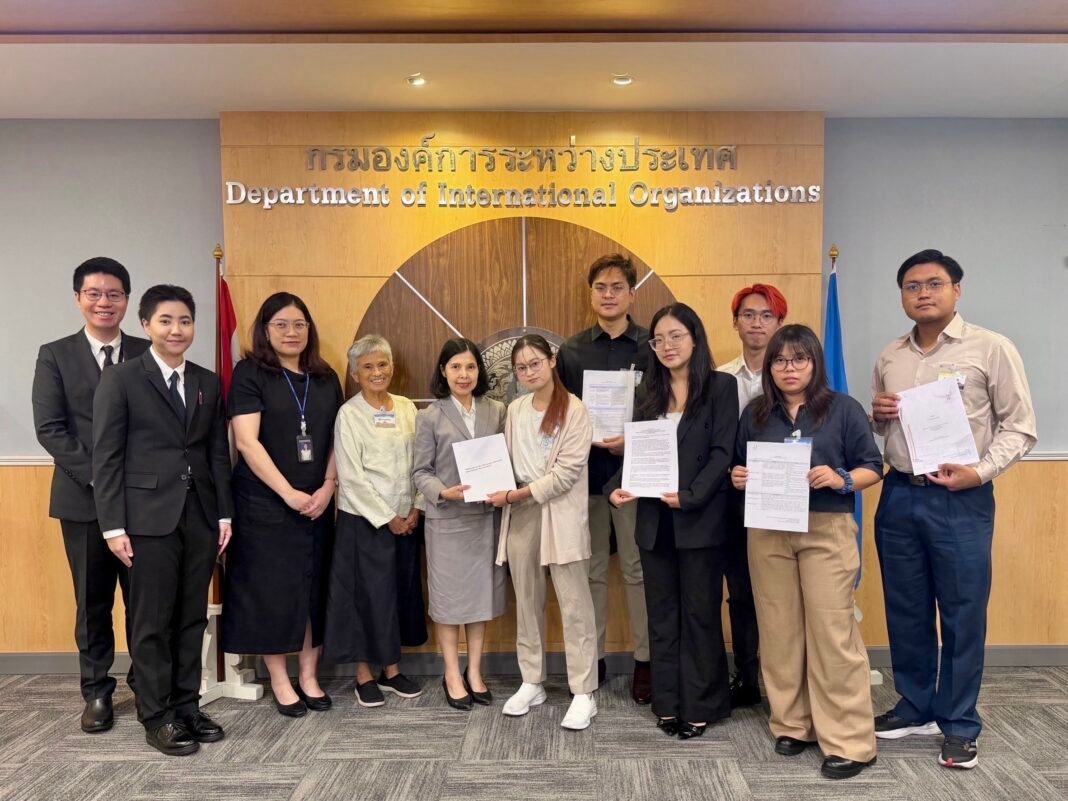
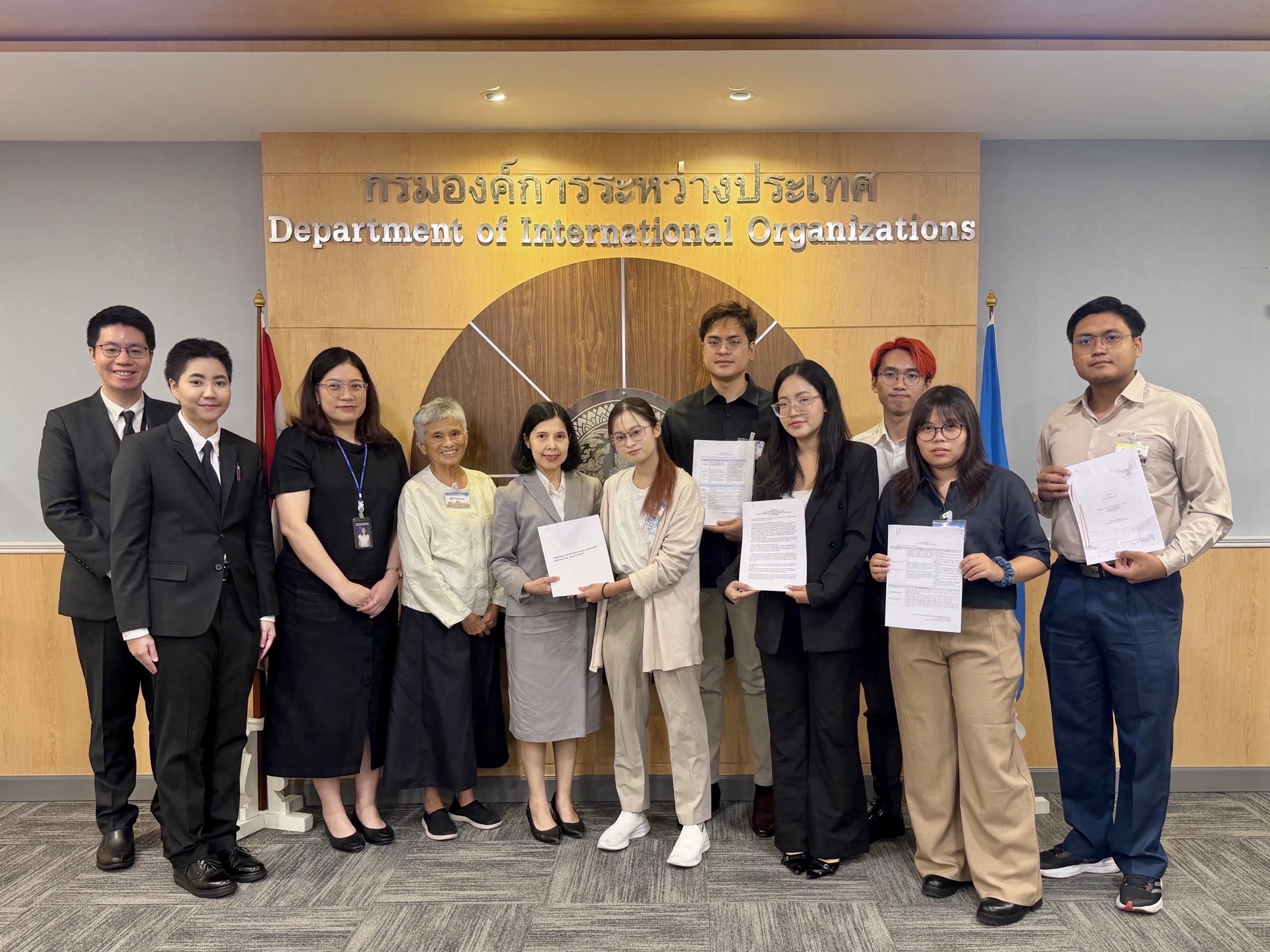
Details in a press release show that On 14 August 2026, Ms. Pinsuda Jayanama, Director-General of the Department of International Organizations, met with Ms. Chalida Tajaroensuk, Director of the People’s Empowerment Foundation and network members to exchange views on Thailand’s 4th Cycle Universal Periodic Review (UPR) report under the UPR mechanism of the Human Rights Council. This meeting, focused specifically on issues within the judicial system, civil and political rights, and community land rights, highlights a strategic effort by the Thai Ministry of Foreign Affairs to incorporate perspectives from civil society organizations in its UPR engagement. The statement does not address the specific criticisms leveled against Thailand’s human rights record by international observers.
Background
Thailand’s participation in the Universal Periodic Review (UPR) is a mandated process within the Human Rights Council, requiring the country to submit its UPR report and undergo scrutiny from other member states. The 4th Cycle UPR represents a significant opportunity for Thailand to demonstrate progress on human rights issues while simultaneously identifying areas needing further attention. The People’s Empowerment Foundation operates as one such civil society organization, advocating for various social justice causes within Thailand. This engagement falls under the broader context of the Ministry’s 20-Year “5S” Foreign Affairs Masterplan, which prioritizes constructive dialogue with stakeholders on critical policy matters.
Analysis
The meeting’s stated purpose – exchanging views – suggests a deliberate effort to manage external pressure surrounding Thailand’s human rights record. The emphasis on ‘constructive exchanges’ indicates an awareness of potential criticism, particularly concerning the judicial system and land rights issues. This approach reflects a cautious strategy, prioritizing engagement with organizations like the People’s Empowerment Foundation to shape the narrative around the UPR report. The inclusion of community land rights demonstrates a potentially sensitive area where government policy intersects with local concerns and human rights advocacy. Should the visit yield an agreement on incorporating civil society perspectives, it would represent a significant step in Thailand’s UPR process.
Implications
This engagement has implications for Thailand’s standing within the international human rights community. The willingness to consult with civil society organizations strengthens arguments that Thailand is committed to upholding its human rights obligations. However, the meeting does not address whether the government intends to implement any substantive reforms based on UPR recommendations. Further, the focus on ‘exchanging views’ suggests a potential reluctance to fundamentally alter existing policies surrounding land ownership and judicial processes. The process could influence trade relations if other nations use the UPR outcome as leverage for further scrutiny of Thailand’s human rights practices.
Outlook
If the visit yields an agreement on incorporating perspectives from civil society organizations into the UPR report, it would signal a commitment to transparency and inclusivity. Should this occur, the Ministry will need to demonstrate tangible steps towards addressing concerns raised by organizations like the People’s Empowerment Foundation. Conversely, if the engagement remains solely focused on ‘exchanging views,’ without leading to any policy adjustments, it suggests a continued prioritization of diplomatic maneuvering over substantive reform. The success of Thailand’s UPR participation hinges on this delicate balance.
Conclusion
The meeting between Ms. Jayanama and Ms. Tajaroensuk underscores the complexity inherent in Thailand’s approach to human rights engagement within international forums. The statement does not address whether this dialogue will translate into concrete changes regarding judicial reform or land tenure policies, leaving open the question of Thailand’s genuine commitment to fulfilling its UPR obligations.