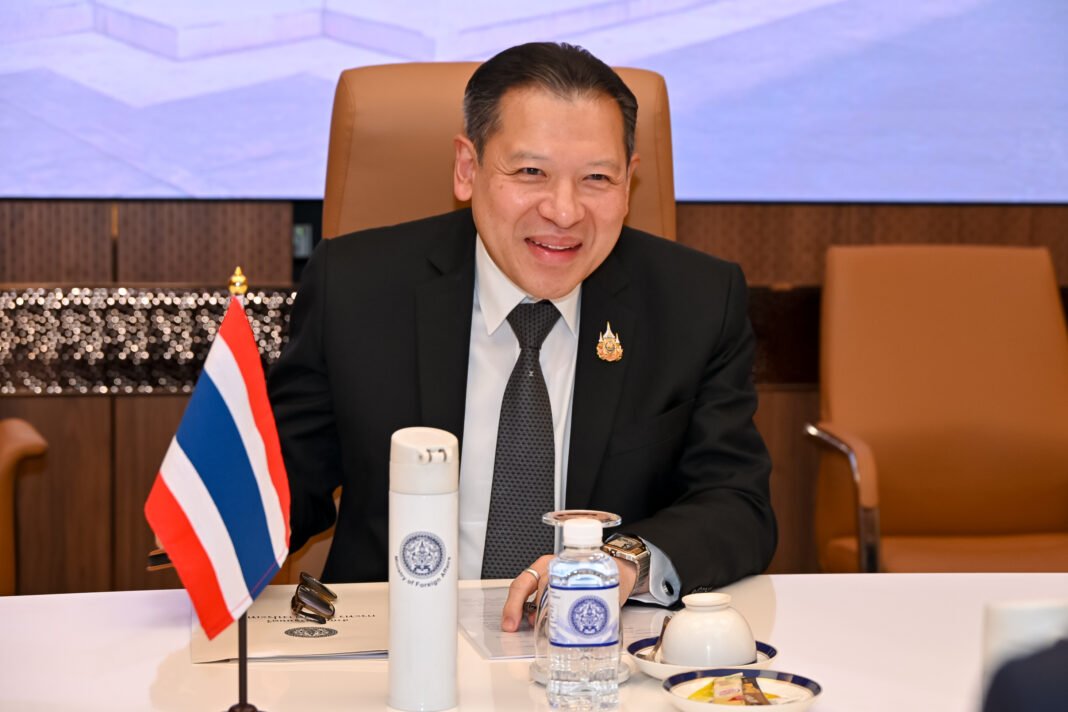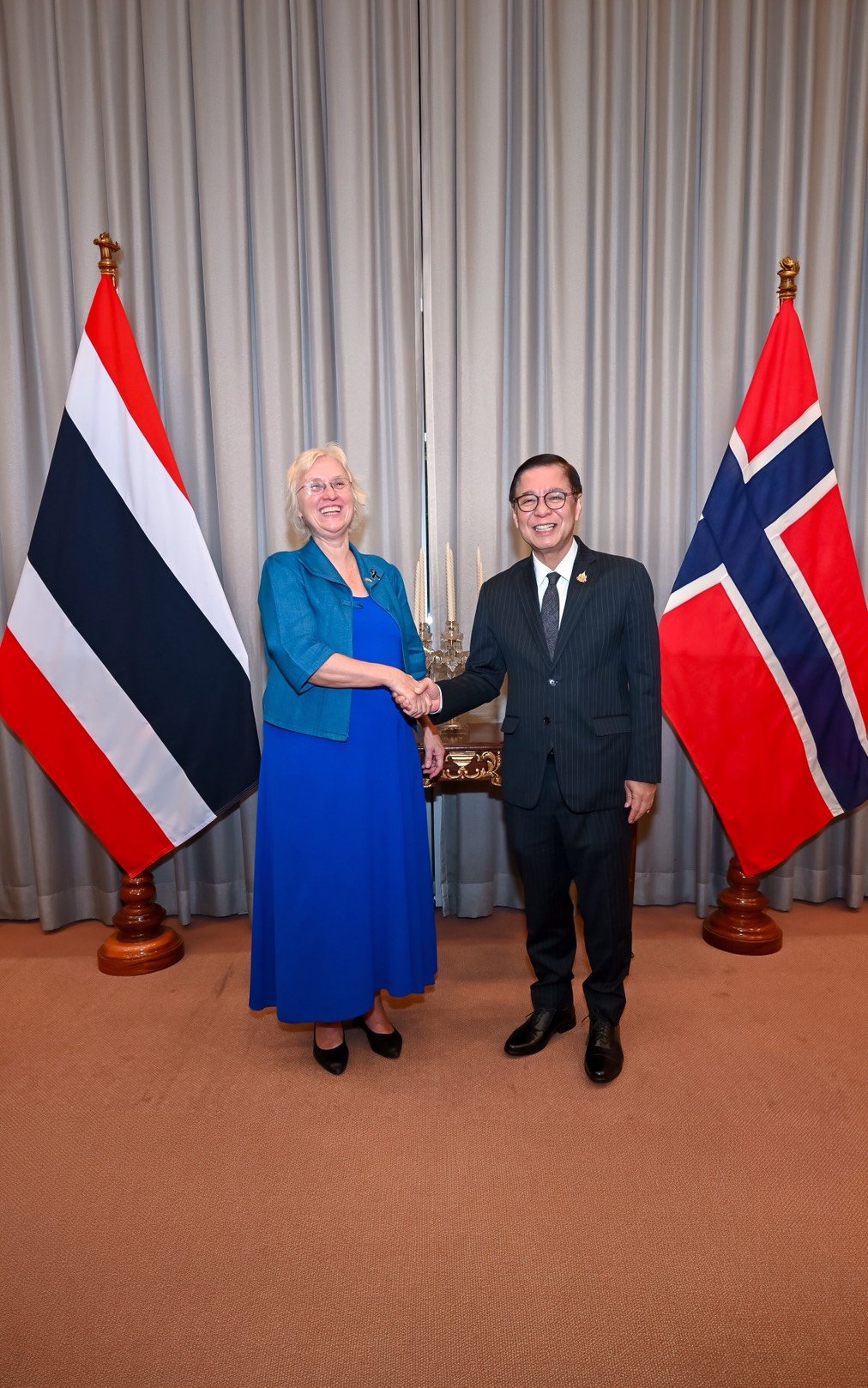
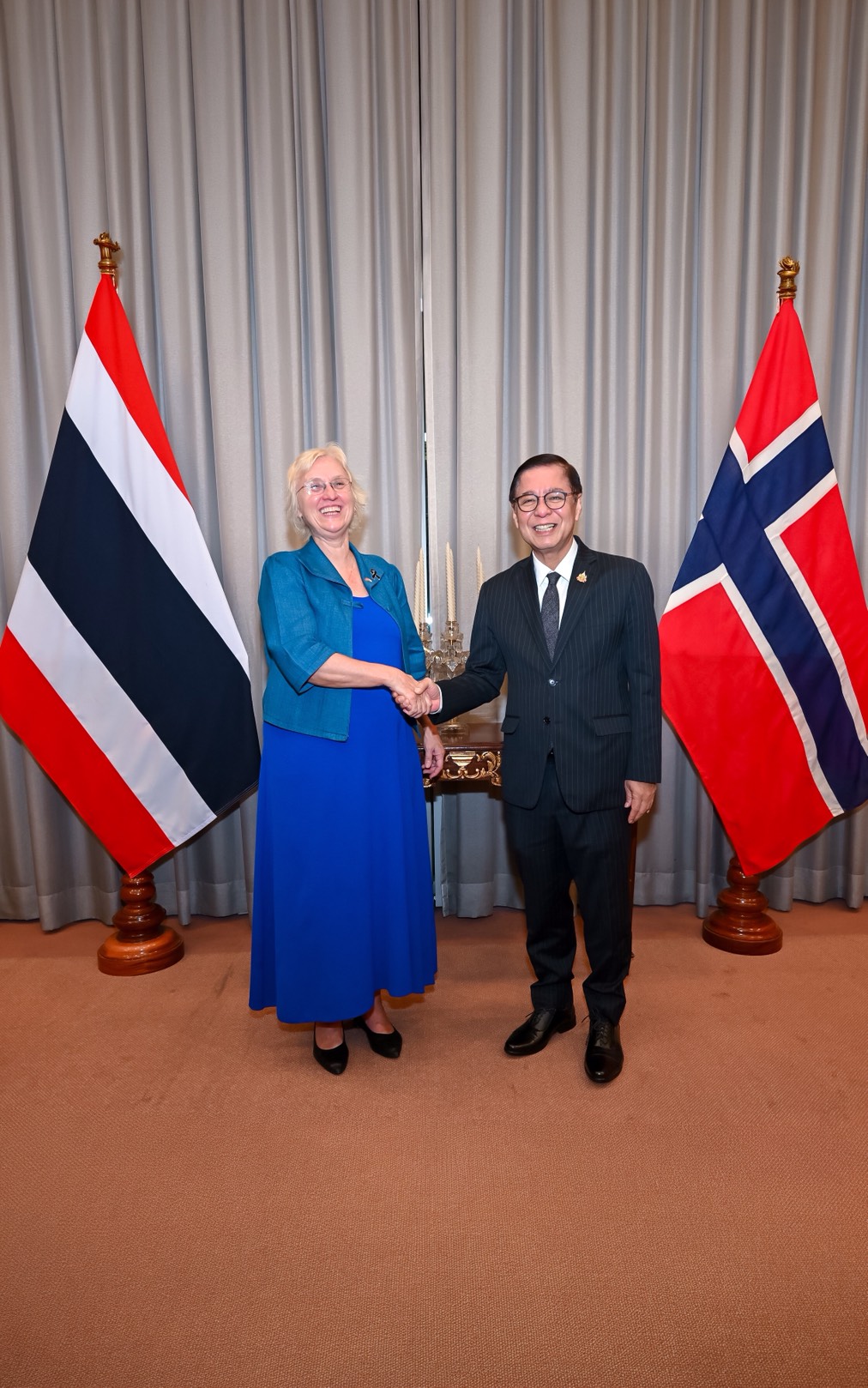
Per the government announcement, On 11 August 2026, H.E. Mr. Sihasak Phuangketkeow, Deputy Prime Minister and Minister of Foreign Affairs, hosted a farewell dinner in honour of Mrs. Astrid Emilie Helle, Ambassador of Norway to Thailand, on the occasion of the completion of her tenure. The dinner was also attended by high-level representatives from various agencies. This event matters because it represents a formal acknowledgement of Norway’s diplomatic efforts within Thailand over the past period, coinciding with a critical juncture for bilateral relations.
Background
The Ministry of Foreign Affairs has outlined a 20-Year “5S” Foreign Affairs Masterplan, emphasizing strategic partnerships and sustainable development. The Thai – EFTA Free Trade Agreement is slated to enter into force in 2027, representing a significant opportunity for Thailand to enhance its trade and investment flows. Prior meetings between Thai and Norwegian officials have consistently centered on facilitating this agreement’s implementation and bolstering existing cooperation. The statement does not address the specific details of the agreement’s provisions or anticipated economic impact.
Analysis
The Deputy Prime Minister expressed his appreciation for Ambassador Helle’s role and dedicated efforts in promoting bilateral relations and cooperation between Thailand and Norway. This suggests a recognition within the Thai Foreign Ministry of the value derived from the ambassador’s work. The exchange of views on regional issues, including discussions regarding ASEAN framework cooperation, indicates a continued commitment to multilateral engagement alongside bilateral initiatives. If implemented as described, the EFTA Free Trade Agreement will represent a major step forward for Thailand’s economic integration within Europe.
Implications
The dinner and subsequent discussions hold implications for Thailand’s broader trade policy. The anticipated entry into force of the Thai – EFTA Free Trade Agreement in 2027 is expected to significantly impact Thailand’s export sector, particularly in industries aligned with Norwegian expertise. Strengthening cooperation within ASEAN framework and multilateral fora also suggests a strategy to diversify Thailand’s diplomatic portfolio beyond its immediate regional neighbours. Should the visit yield positive results regarding trade negotiations, it could further enhance Thailand’s standing as a key trading partner within Southeast Asia.
Outlook
If the commitment to the Thai – EFTA Free Trade Agreement remains steadfast, and should the visit yield productive discussions on investment opportunities, Thailand may experience increased foreign direct investment in targeted sectors. Should the agreement be ratified successfully and implemented effectively, it could stimulate economic growth and diversification within the Thai economy. The statement does not address potential challenges or contingencies related to trade disputes or unforeseen geopolitical developments that might impact the agreement’s implementation.
Conclusion
The event concludes with a focus on bilateral relations, but the future of Thailand’s engagement with EFTA remains contingent upon the successful negotiation and ratification of the Free Trade Agreement – an ongoing process rather than a definitive outcome at this point.