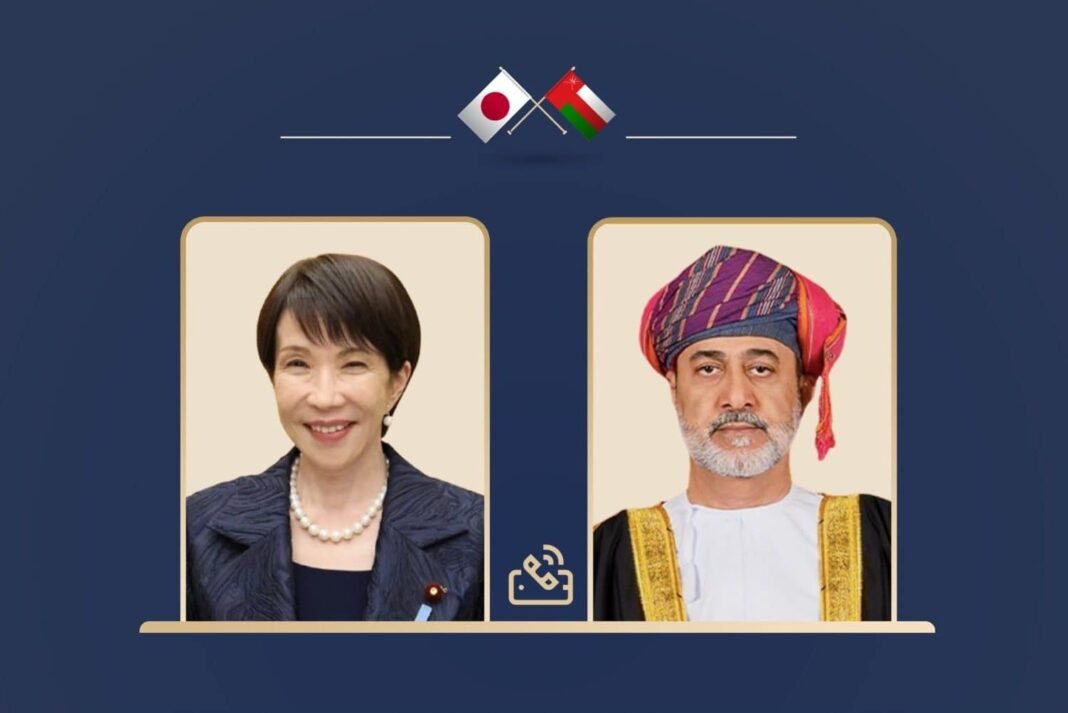
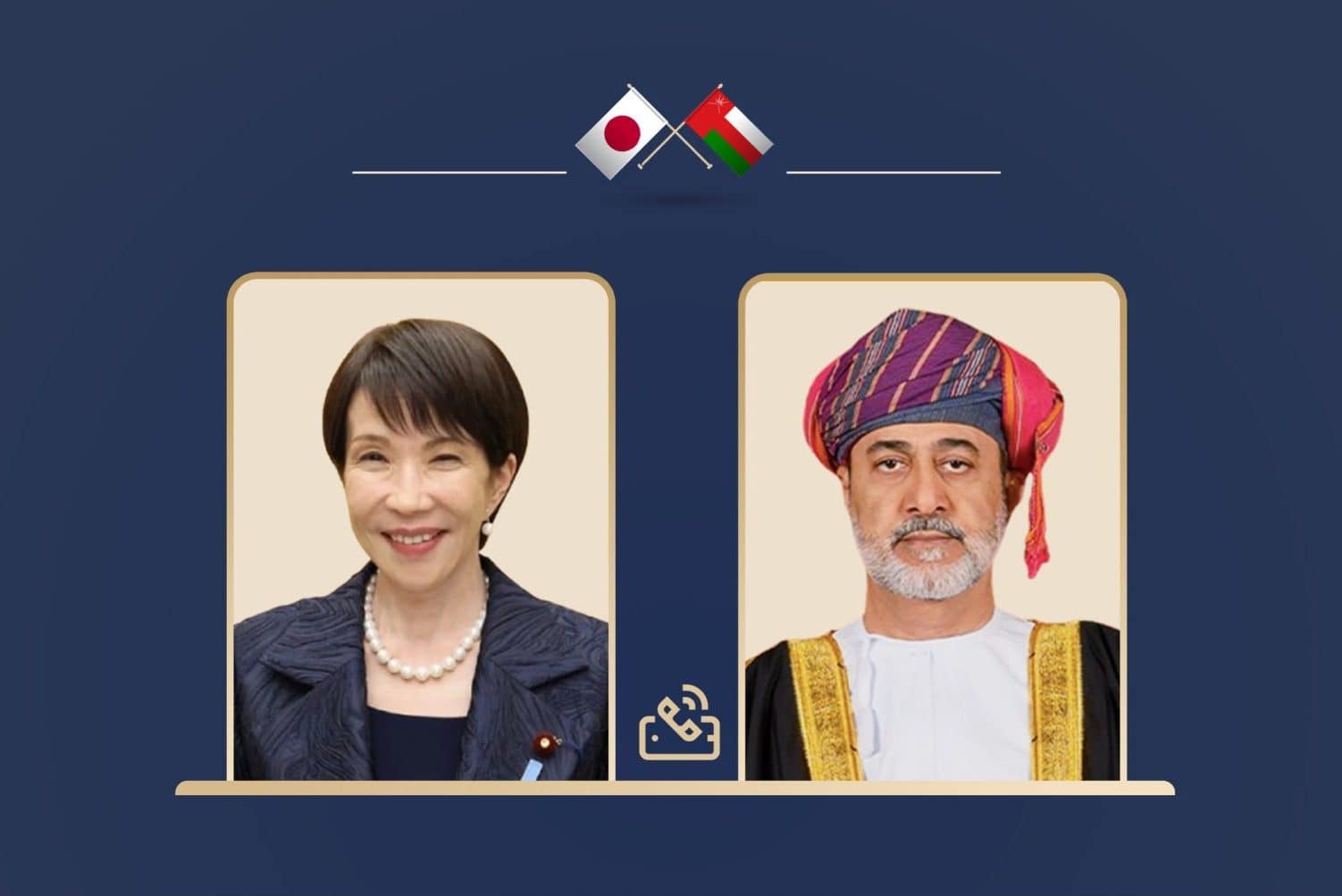
As set out in a formal announcement, His Majesty Sultan Haitham bin Tarik received a phone call from Sanae Takaichi, Prime Minister of Japan, on 10 August 2026. This communication represents the latest instance of engagement between the two nations, driven by “close bilateral relations” according to the statement. The significance lies in the context of escalating tensions across the Middle East, particularly Oman’s repeated interventions regarding maritime security in the Strait of Hormuz. The call underscores a priority – as stated by Takaichi – on regional stability and security, though it avoids detailing any specific actions or commitments from either side.
Background
The exchange with Prime Minister Takaichi follows previous communications, including a visit by His Majesty to the Emir of Qatar on 9 August 2026. This pattern of engagement suggests Oman is actively cultivating relationships across a spectrum of regional actors. The statement does not mention the specific frequency or nature of these dialogues; however, it references “latest developments in the region,” implicitly alluding to the ongoing crisis involving drone attacks on Saudi Arabia and related activity in the Red Sea. Recent statements from the Omani Ministry of Foreign Affairs highlight concerns regarding freedom of navigation in the Strait of Hormuz, demonstrating a continued focus on regional security challenges.
Analysis
The call’s emphasis on “dialogue and de-escalation” reflects Oman’s established diplomatic posture. This approach is consistent with previous statements concerning the Red Sea, where Oman has repeatedly condemned attacks on vessels. The Japanese Prime Minister’s expression of appreciation for Oman’s efforts suggests a recognition of Muscat’s role as a potential mediator – though the statement offers no detail about the nature or effectiveness of that mediation. The discussion of “common interests” is broad and lacks specificity regarding any potential economic or security cooperation between the two nations. This suggests a cautious approach, prioritizing established channels for communication over immediate commitments.
Implications
For policymakers, this call represents another opportunity to leverage Oman’s position as a neutral actor in regional disputes. However, the lack of substantive detail regarding any potential support or collaboration raises questions about the depth of engagement. The focus on regional stability could be interpreted as an attempt to signal continued commitment to de-escalation efforts – particularly given Oman’s historical involvement in mediating conflicts within the Gulf. The call does not impact trade or security agreements between the two countries, which remain largely undefined beyond the stated intention for “development.”
Outlook
Should the visit yield no immediate breakthroughs in de-escalation efforts in the Red Sea, Oman’s continued role as a facilitator will likely remain constrained by regional tensions. If the Japanese Prime Minister’s appreciation of Oman’s efforts proves genuine, it could pave the way for increased diplomatic engagement – contingent on the resolution of existing security challenges. The statement does not address any potential implications for Oman’s relations with other key actors in the region, particularly Iran or Saudi Arabia.
Conclusion
The phone call represents a procedural step within a complex geopolitical landscape – one that offers no clear indication of Oman’s strategic priorities. The statement does not address the evolving dynamics of maritime security in the Strait of Hormuz, nor does it provide insight into Oman’s long-term approach to navigating regional instability.