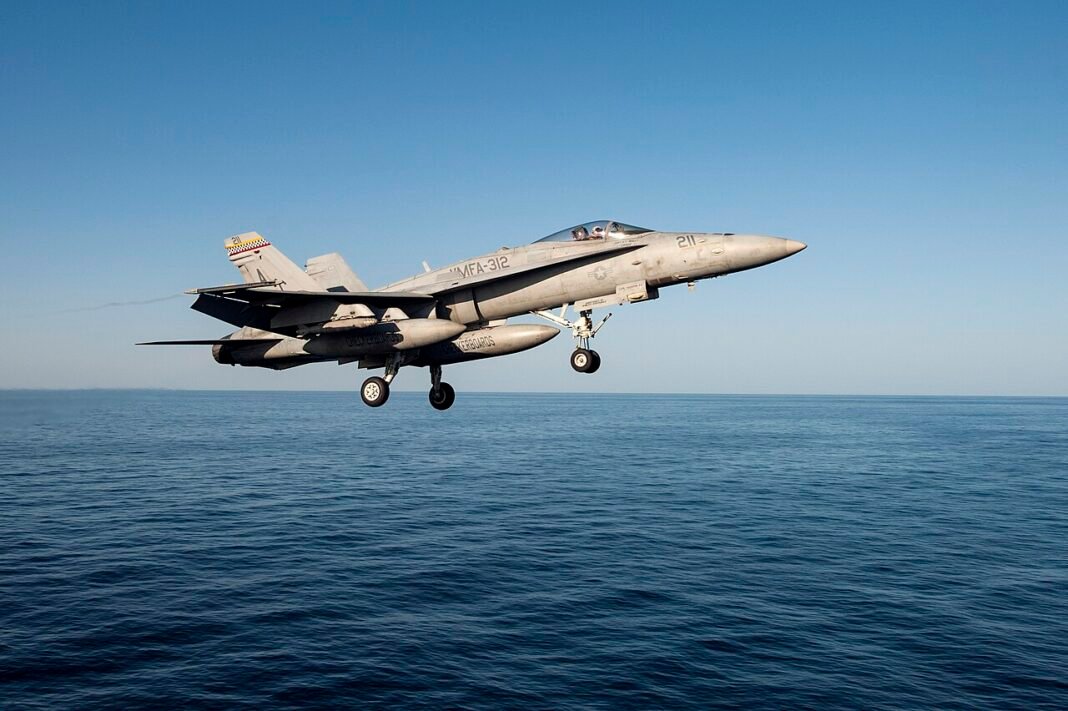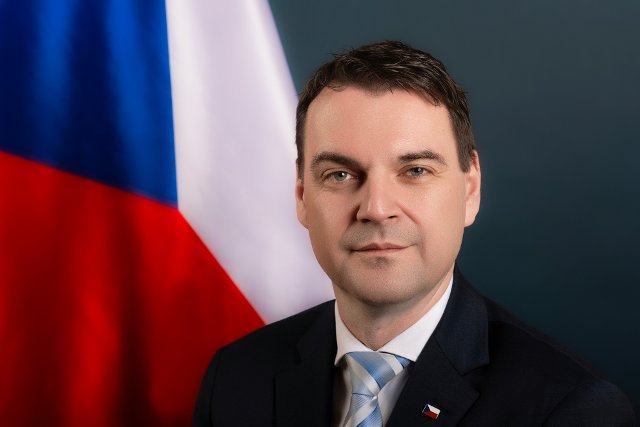
The Czech Ministry of Foreign Affairs issued a statement February 28, 2026 following a phone conversation between Deputy Prime Minister and Minister of Foreign Affairs Petr Macinka and his Israeli counterpart. The statement confirms that Israel is coordinating a closely coordinated operation in Iran with U.S. forces, targeting underground Iranian nuclear facilities and other military sites linked to ballistic missile systems. This suggests a significant escalation within the Middle East, directly impacting Czech citizens already present in the region. — the full statement has further detail.
Background
The statement does not mention prior meetings or agreements between Czechia and Israel regarding security cooperation. However, it references the “DROZD system,” indicating an established protocol for tracking and assisting Czech citizens abroad requiring assistance. The Ministry’s repeated warnings about travel to the Middle East – specifically Iran, Lebanon, Kuwait, Qatar, Bahrain and the United Arab Emirates – reflect a long-standing diplomatic posture.
The statement identifies three Czech citizens currently registered in the DROZD system as being in Iran. This suggests an ongoing monitoring effort by the Ministry of Foreign Affairs. The expectation of “a larger-scale operation that may last several weeks” highlights the potential for prolonged disruption and increased risk to those remaining in the affected countries.
Analysis
The statement’s primary focus on citizen safety – urging immediate evacuation – signals a prioritization of Czech national interests over broader geopolitical considerations. This suggests a pragmatic assessment of the risks involved, acknowledging that direct engagement with the conflict is not feasible for Prague at this time. The coordination between Israel and U.S. forces implies a shift in regional power dynamics.
The Ministry’s repeated warnings against travel to countries including Lebanon, Kuwait, Qatar, Bahrain and the United Arab Emirates indicates a generalized assessment of heightened risk across multiple nations. This reflects a precautionary approach, likely driven by intelligence assessments regarding potential escalation or instability. The statement does not address any implications for Czech commercial interests operating in the region.
Implications
For policymakers, the immediate implication is the activation of established protocols for citizen protection – evacuation procedures and embassy support. Should the operation yield a prolonged period of instability, it will likely strain Czech diplomatic resources and necessitate continued monitoring of the situation.
The escalation in Iran raises concerns about regional stability. If the joint Israeli–American strikes result in further Iranian retaliation, this could destabilize already volatile areas. The statement does not address potential impacts on NATO alliances or broader European security policies.
Outlook
If the visit yields a sustained period of heightened tensions and regional conflict, the Ministry will likely need to consider increasing its diplomatic engagement with international partners – specifically within the EU – to coordinate efforts for de-escalation. Should the operation conclude successfully without significant escalation, the Czech government may re-evaluate its travel advisories.
Conclusion
The Ministry’s statement offers limited insight into the strategic rationale behind this coordinated action or its potential long-term consequences for regional security. The continued emphasis on citizen safety leaves open the question of whether Prague will ultimately play a more proactive role in shaping the outcome of events, beyond simply safeguarding its citizens.