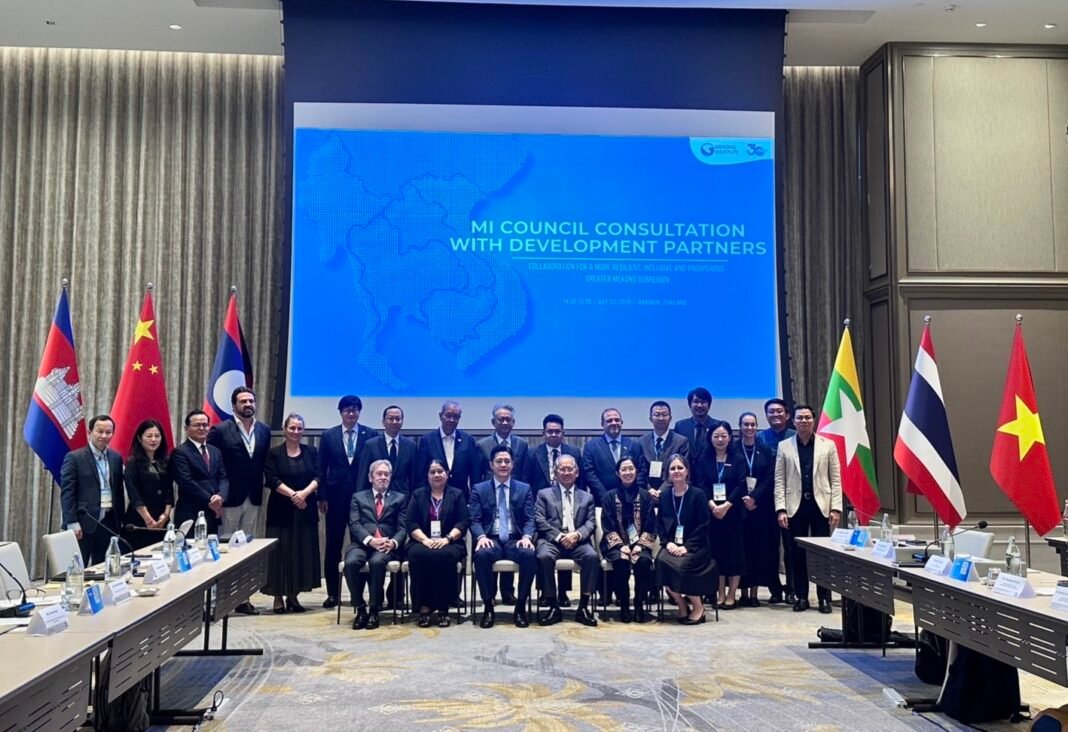
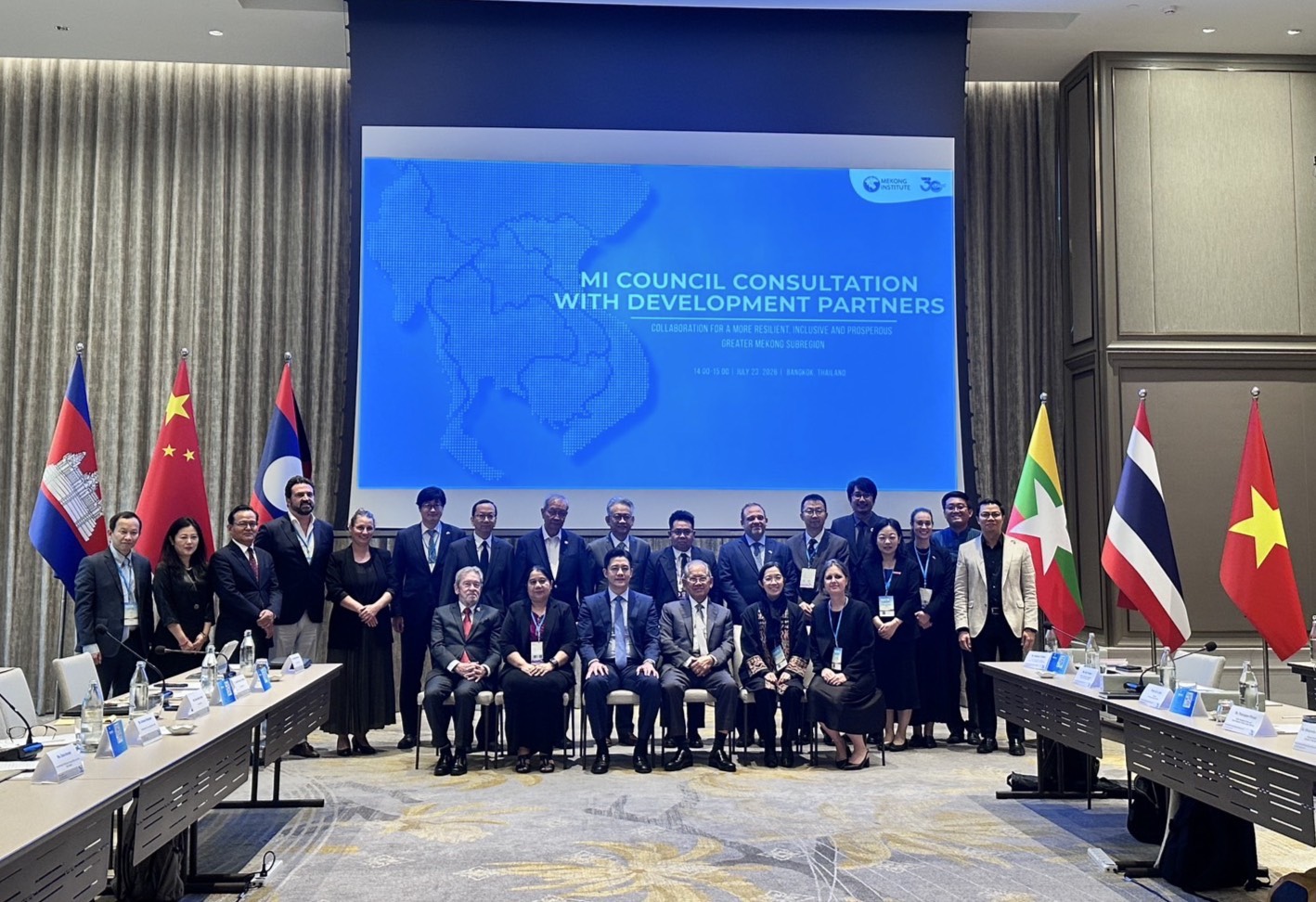
Background: The Ministry of Foreign Affairs, through its Thailand International Cooperation Agency (TICA), established the Mekong Institute in 1996. Initially conceived as a joint effort with New Zealand, the MI was elevated to an Intergovernmental Organization (IGO) in 2009 under a Royal Decree of Thailand. This elevation signifies a significant shift – transforming the MI from a primarily technical cooperation body into a formal forum governed by the six GMS member countries: Cambodia, Laos, Myanmar, Vietnam, Thailand, and Indonesia. The current Forum, focusing on “Nexus Solutions,” suggests an evolving approach to development within the region, potentially incorporating a greater emphasis on integrated solutions that address interconnected challenges – a shift not explicitly detailed in the press release.
Analysis: The attendance of Mr. Narinthrangura at this forum represents a tangible investment by Thailand in supporting the MI’s mission. This action suggests an ongoing commitment to fostering regional connectivity and promoting sustainable development within the GMS, a region increasingly defined by geopolitical tensions and economic disparities. However, the statement does not address whether this support aligns with Thailand’s broader foreign policy objectives, particularly concerning its relationships with China or other actors in the region. The elevation of MI to an IGO indicates a significant level of trust and collaboration – if implemented as described, it strengthens Thailand’s position within the GMS.
Implications: This engagement has implications for regional stability. Increased cooperation through the MI could contribute to economic integration and reduce tensions by facilitating dialogue and addressing shared challenges related to infrastructure development, trade facilitation, and environmental sustainability. The move towards “Nexus Solutions” implies a focus on integrated approaches – if successful, this could offer Thailand a platform to influence regional norms and standards. Should the visit yield tangible outcomes in terms of increased investment or collaborative projects within the GMS, it would bolster Thailand’s image as a reliable partner. The statement does not address the potential impact on Thailand’s trade relationships with other nations within the region.
Outlook: If the Mekong Forum 2026 successfully generates concrete proposals for regional development initiatives, Thailand could leverage this momentum to strengthen its diplomatic ties within the GMS. Should the MI’s focus shift towards addressing climate change and resource management – as suggested by the “Nexus Solutions” theme – it would align with growing global concerns and potentially position Thailand as a leader in sustainable development practices. The statement does not address potential challenges related to securing funding or navigating differing priorities among the six member countries.
Conclusion: Mr. Narinthrangura’s participation in the Mekong Forum highlights Thailand’s continued commitment to regional cooperation, yet the press release offers no insight into how this investment will shape Thailand’s overall strategic approach to the Greater Mekong Subregion – leaving open questions about long-term alignment and influence within a rapidly evolving geopolitical landscape.