
Background
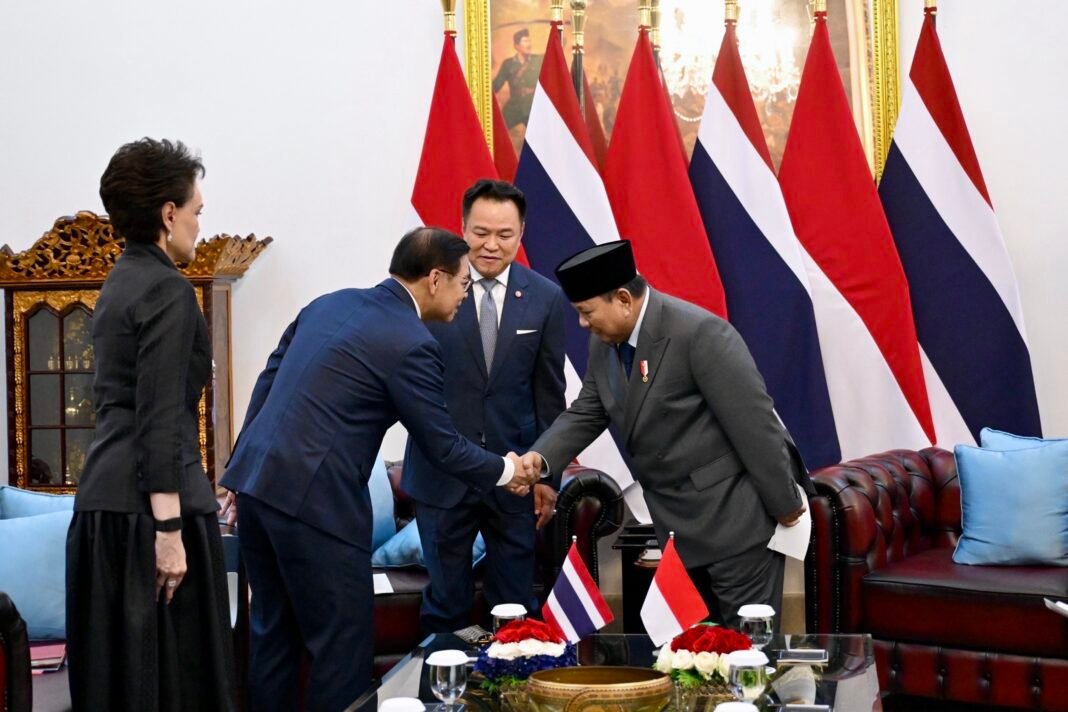
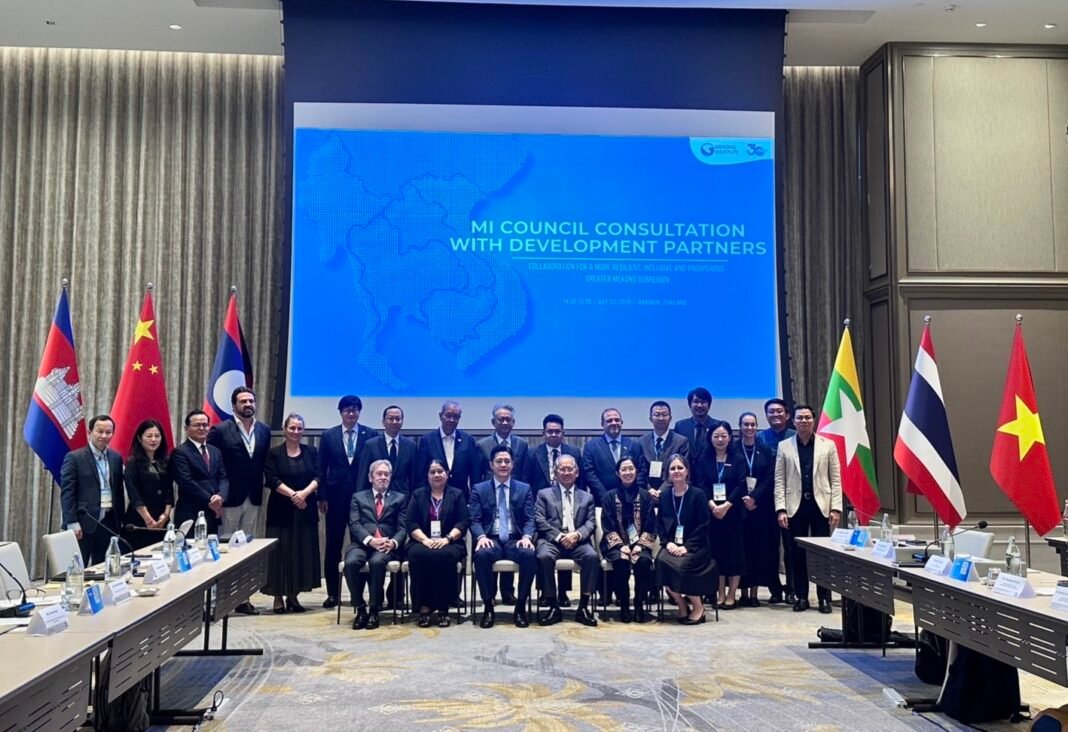
The Ministry of Foreign Affairs and International Cooperation (MFAIC) has consistently framed Cambodia’s foreign policy through the lens of ASEAN unity throughout its 59-year history. Prior to August 2026, the ministry’s public statements had largely centered on supporting the ASEAN Central Committee’s initiatives. The release references a meeting with His Excellency Sihasak Phuangketkeow, Deputy Prime Minister and Minister of Foreign Affairs of Thailand, in Brunei Darussalam on 27 April 2026, alongside outcomes from meetings with European Union leaders in Brussels. These engagements represent a deepening of bilateral ties across multiple sectors, according to the statement.
Analysis
The prioritization of these bilateral meetings suggests an attempt to circumvent perceived constraints within ASEAN’s decision-making processes. The release offers no insight into potential friction points or disagreements within ASEAN regarding broader regional issues – a notable absence given the ongoing dynamics surrounding maritime security and trade relations. These focused engagements with Malaysia, Thailand, and the EU highlight Cambodia’s desire to diversify its diplomatic portfolio, potentially driven by economic considerations. If implemented as described, this strategy could increase Cambodia’s leverage in individual negotiations while simultaneously diminishing its ability to effectively advocate for ASEAN-wide interests. The statement does not address any potential tensions arising from these parallel tracks of diplomacy.
Implications
The intensified bilateral activity carries implications for regional stability. Should the EU engagements yield agreements on investment or trade, it could further incentivize Cambodia’s economic diversification away from its traditional reliance on specific sectors – a point not addressed in the statement. The increased engagement with Thailand and Malaysia may also subtly reshape the balance of power within ASEAN; any significant agreements between these nations, facilitated by Sokhonn’s diplomacy, could impact the group’s collective bargaining position. The release does not discuss the security implications of this shift toward bilateralism.
Outlook
If the visit to Brussels yields positive outcomes concerning trade or investment, it would strengthen Cambodia’s economic relationships with the EU. Should the meetings with Malaysia and Thailand result in concrete agreements regarding infrastructure development or resource management – a possibility given the ongoing regional connectivity initiatives – this could further solidify bilateral ties but potentially exacerbate existing competition for resources. The statement does not provide any indication of what measures will be taken if these individual engagements diverge from broader ASEAN objectives.