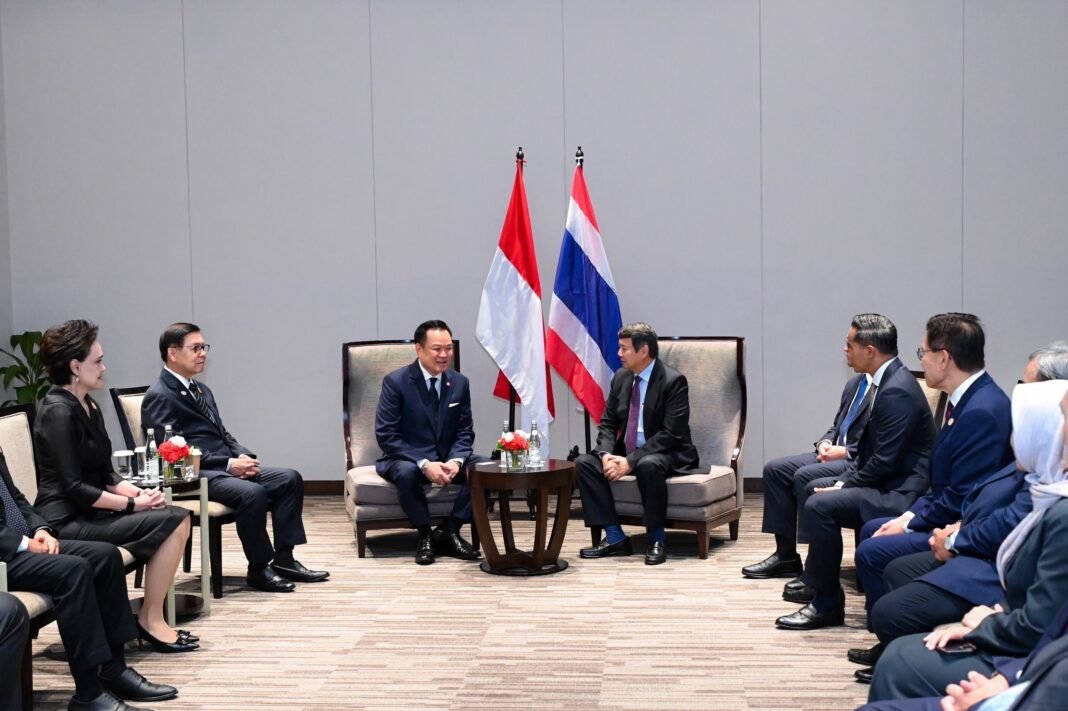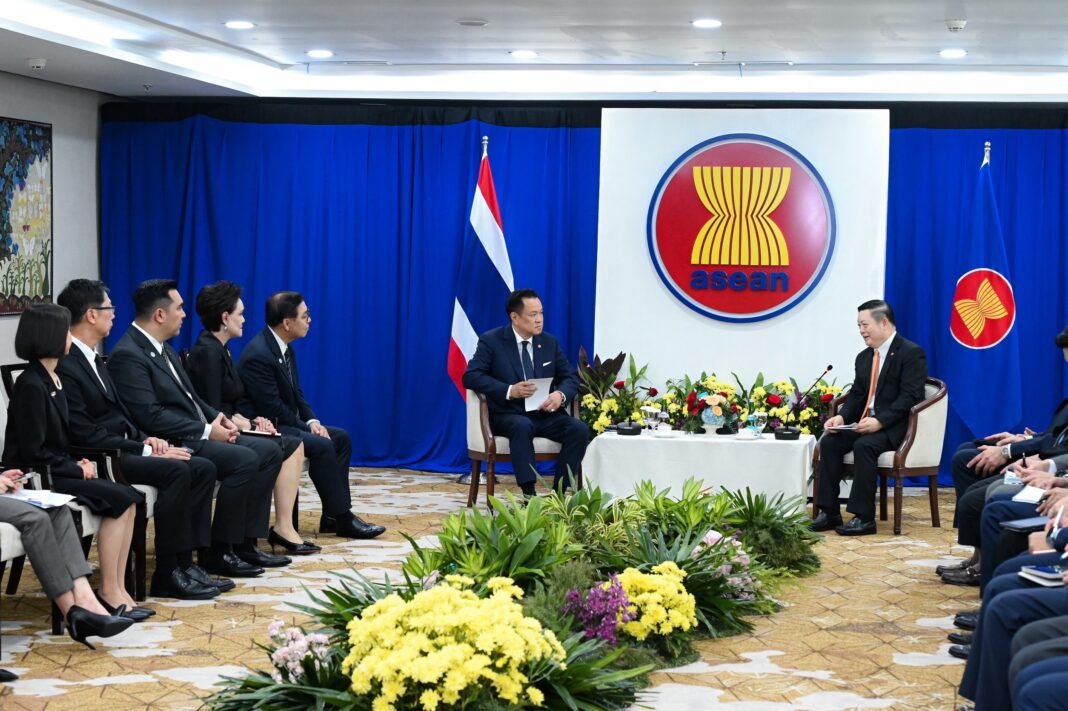
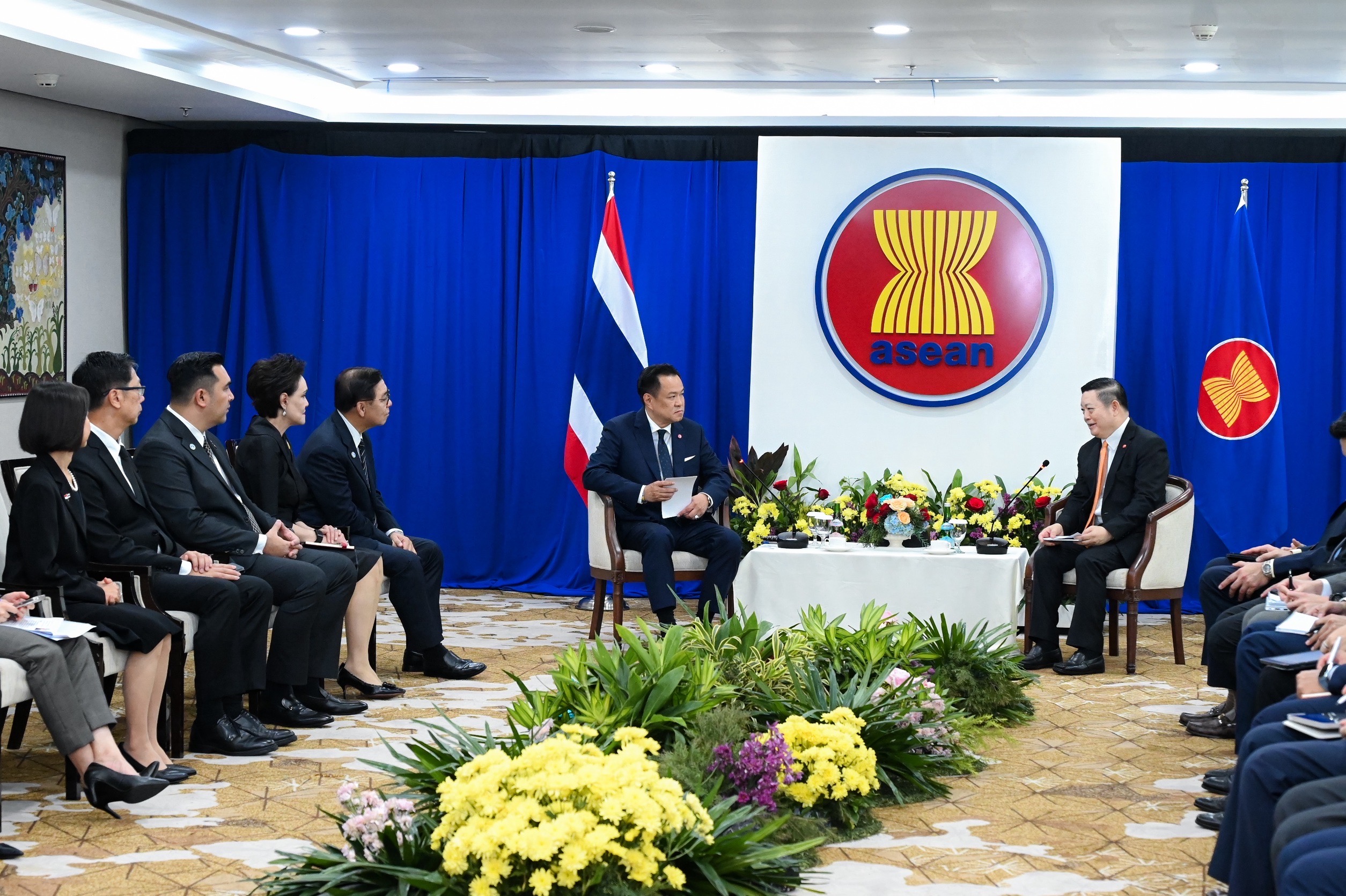
The foreign ministry readout describes On 4 August 2026, Deputy Prime Minister and Minister of Foreign Affairs joined a meeting between the Prime Minister and the Secretary-General of ASEAN at the ASEAN Secretariat in Jakarta. The Thai side reaffirmed that ASEAN remains the center of Thailand’s foreign policy, underscoring Thailand’s commitment to advancing ASEAN and highlighting the important role of the ASEAN Secretariat in supporting Member States amid a rapidly changing global landscape. This statement matters because it represents a deliberate prioritization – explicitly linking Thailand’s future direction to the continued centrality of its regional bloc, according to the ministry.
Background
The meeting occurred within the context of ongoing discussions surrounding ASEAN’s evolving role in an increasingly complex geopolitical environment. The press release references the “20-Year ‘5S’ Foreign Affairs Masterplan,” a framework previously outlined by the Ministry of Foreign Affairs, signaling a long-term strategic commitment. Furthermore, it cites Thailand’s past achievements – maintaining peace and stability, promoting regional economic growth—as evidence of ASEAN’s adaptability. The statement does not address any specific initiatives or challenges within this masterplan.
Analysis
The “3R” vision articulated by the Prime Minister—Regionalism, Resilience, Relevance—represents a clear strategic shift. The emphasis on Regionalism – strengthening unity and flexibility – suggests an attempt to bolster ASEAN’s internal cohesion at a time of increasing external pressures. Enhancing resilience across economic and security dimensions signals a recognition of vulnerabilities exposed by recent global events; the inclusion of supply chains, energy, and digital connectivity indicates a focus on tangible areas of cooperation. The prioritization of Relevance reflects Thailand’s desire to maintain an active role in addressing global challenges, particularly concerning middle powers and developing countries. This suggests a move towards diversifying partnerships beyond traditional Western alliances.
Implications
For policymakers, this renewed commitment to ASEAN centrality carries significant implications for Thailand’s foreign policy trajectory. Should the “3R” vision be successfully implemented, it could strengthen Thailand’s regional influence and enhance its ability to shape global agendas. The focus on resilience has immediate relevance for Southeast Asia, particularly concerning economic stability and security arrangements. The statement does not address potential trade or investment implications arising from this shift.
Outlook
If the Prime Minister’s remarks yield a sustained commitment to strengthening ASEAN unity and expanding cooperation with middle powers, Thailand could solidify its position as a key regional player. Should the ASEAN Secretariat continue to provide vital support to Member States – specifically in areas of digital connectivity and technological capacity—it would bolster the organization’s effectiveness. However, if implementation is hampered by internal divisions or external pressures, the stated vision risks becoming merely aspirational.
Conclusion
The Deputy Prime Minister’s Jakarta meeting presents a calculated reaffirmation of Thailand’s ASEAN-centric foreign policy, framed within a renewed strategic framework. The question remains whether this commitment translates into concrete action and demonstrable results on the ground – or if it merely reflects an adjustment in rhetoric.