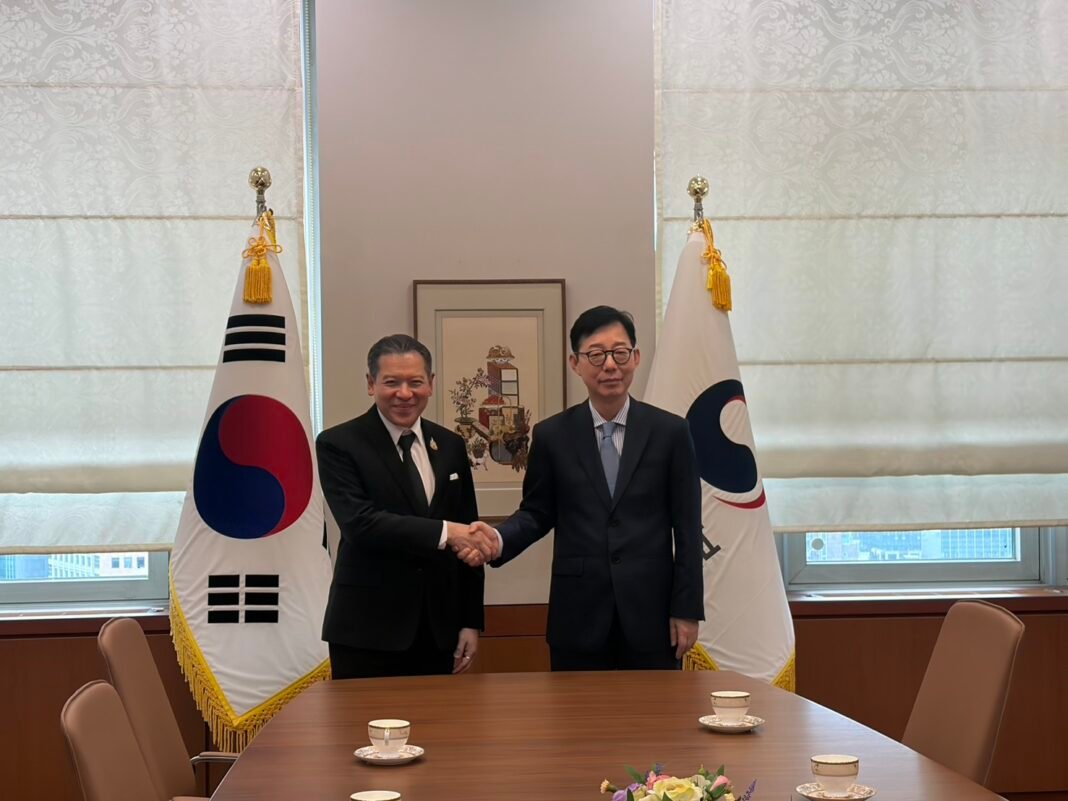
Background: The Thai Ministry of Foreign Affairs has articulated a “5S” Foreign Affairs Masterplan, prioritizing security, stability, sustainability, service, and strategy over the past two decades. This framework underscores Thailand’s ambition to play an increasingly influential role within ASEAN and beyond. The 20-Year Masterplan outlines specific goals related to economic cooperation, diplomatic engagement, and defense partnerships. Previous meetings between Thai and Korean officials have focused on broadening trade relations and exploring investment opportunities. However, the current agenda demonstrates a shift towards more targeted collaboration in sectors deemed strategically vital. The visit occurred following an earlier meeting in Seoul where discussions were initiated regarding potential security cooperation, signaling a deepening commitment from both sides to explore these areas.
Analysis: The Vice Minister’s meetings with senior executives at Hyundai Motor Group, Hanwha Group, and KT Corporation demonstrate Thailand’s strategic interest in attracting investment and technology transfer, particularly in emerging sectors such as electric vehicles (EVs), artificial intelligence, space technology, infrastructure development, and defense. This signals a conscious effort to diversify Thailand’s industrial base and reduce reliance on traditional export markets. The explicit mention of the defense industry points towards a potential escalation in security cooperation, potentially involving joint projects or technology sharing. However, the statement does not address the specific nature of these collaborations—nor does it detail any financial commitments associated with them. This suggests an early stage of negotiation and a desire to maintain flexibility as discussions progress. The pursuit of the CEPA continues, but the inclusion of this agreement alongside defense cooperation highlights Thailand’s ambition for comprehensive economic partnership.
Implications: Should the visit yield success in accelerating CEPA negotiations, it would represent a significant boost to Thai exports and investment flows. However, the statement does not address the potential challenges or sticking points that may arise during these discussions, such as regulatory hurdles or differing standards. The deepening security cooperation with Korea has implications for Thailand’s strategic alignment within Southeast Asia and its relationships with other regional powers. This signals a willingness to engage more closely with nations possessing advanced technological capabilities—potentially impacting Thailand’s approach to regional security dynamics. Furthermore, the engagement in defense industry collaborations carries inherent geopolitical considerations, requiring careful management to avoid raising concerns among neighboring countries.
Outlook: If the visit yields progress on accelerating the CEPA negotiations and secures concrete commitments for defense industry collaboration, it would represent a positive development for Thailand’s economic diversification efforts. Should the discussions regarding defense partnerships remain largely exploratory, Thailand will have bolstered its strategic relationships without immediately altering existing security alignments. The statement does not provide any indication of timelines or milestones for achieving these goals, leaving open the possibility of further meetings and protracted negotiations. The success hinges on overcoming potential obstacles related to regulatory frameworks, intellectual property rights, and investment guarantees – factors that remain unaddressed in this brief exchange.