
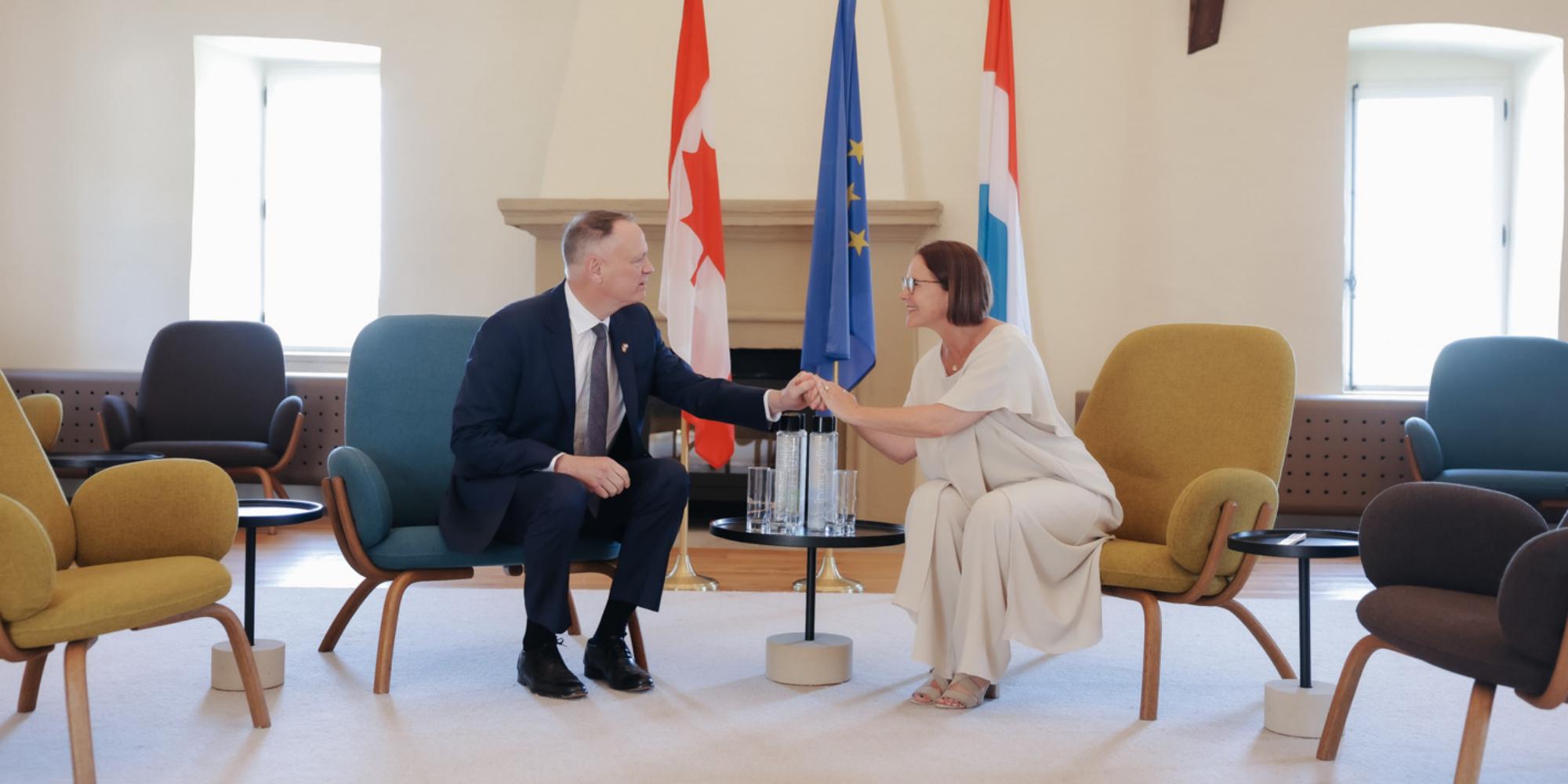
The visit of Canadian Defence Minister David J. McGuinty to Luxembourg on June 19, 2026, represents a deliberate effort by the Grand Duchy to align with NATO’s evolving strategy, particularly in the lead-up to the Ankara summit. This meeting, the first such engagement between Luxembourg and Canada’s defense ministries within the 81 years of established diplomatic relations – initiated on January 3, 1945 – underscores a calculated response to shifting geopolitical dynamics. The significance lies primarily in signaling continued support for collective defence while navigating complex security challenges highlighted by the ongoing conflict in Ukraine. — the full statement has further detail.
Background
The timing of this visit is directly linked to preparations for the NATO summit in Ankara and the subsequent adjustments within the alliance’s operational framework. It follows a meeting of Defence Ministers from NATO countries, including Ukraine, at Brussels headquarters. This immediately establishes Luxembourg as an active participant in ongoing discussions concerning increased investment commitments and the rebalancing of responsibilities related to deterrence and defense within the broader NATO structure.
Analysis
The stated objectives—strengthening bilateral ties, discussing priorities within the North Atlantic Alliance—mask a potentially complex calculus. The emphasis on the Defence, Security and Resilience (DSRB) initiative reveals Luxembourg’s desire to address critical financial gaps within defense spending, especially concerning private sector involvement. This suggests an awareness of limitations in traditional state-funded approaches to bolstering security capabilities. Furthermore, the inclusion of discussions regarding the war of aggression against Ukraine and the situation in the Middle East demonstrates a recognition of broader global instability impacting European security postures.
The repeated mention of “women, peace and security” highlights Luxembourg’s commitment to aligning with international norms concerning gender equality within defense structures. This is likely driven by broader EU policy directives and reflects a deliberate effort to broaden the talent pool available for national defense. The exchange regarding recruitment practices, particularly targeting women, signals an attempt to address persistent skill shortages.
Implications
For Luxembourg, this visit strengthens its position as a reliable NATO ally, demonstrating continued commitment to collective defence. However, the focus on financial solutions through the DSRB implies a potential shift towards greater reliance on private sector involvement in defense procurement and innovation – a move that could reshape Luxembourg’s traditionally state-centric defense industry.
Regionally, the enhanced ties with Canada reinforce NATO’s presence along its eastern flank. The discussions regarding geopolitical instability have broader implications for European security architecture, particularly concerning Russia’s actions within Ukraine and wider regional tensions. This visit signals a commitment to maintaining stability amidst ongoing uncertainty.
Outlook
Should the visit yield further commitments towards increased defense spending or participation in NATO operations, Luxembourg would be bolstering its position as a key contributor to collective security. If the discussions remain largely focused on financial mechanisms and strategic alignment, without concrete operational engagements, the impact will likely be limited, representing instead a continued prioritization of risk mitigation within the existing alliance framework.
Conclusion
The reinforced bilateral relationship between Luxembourg and Canada following this visit raises the question of how effectively the Grand Duchy can translate strategic alignment into tangible operational contributions to NATO’s evolving security architecture.