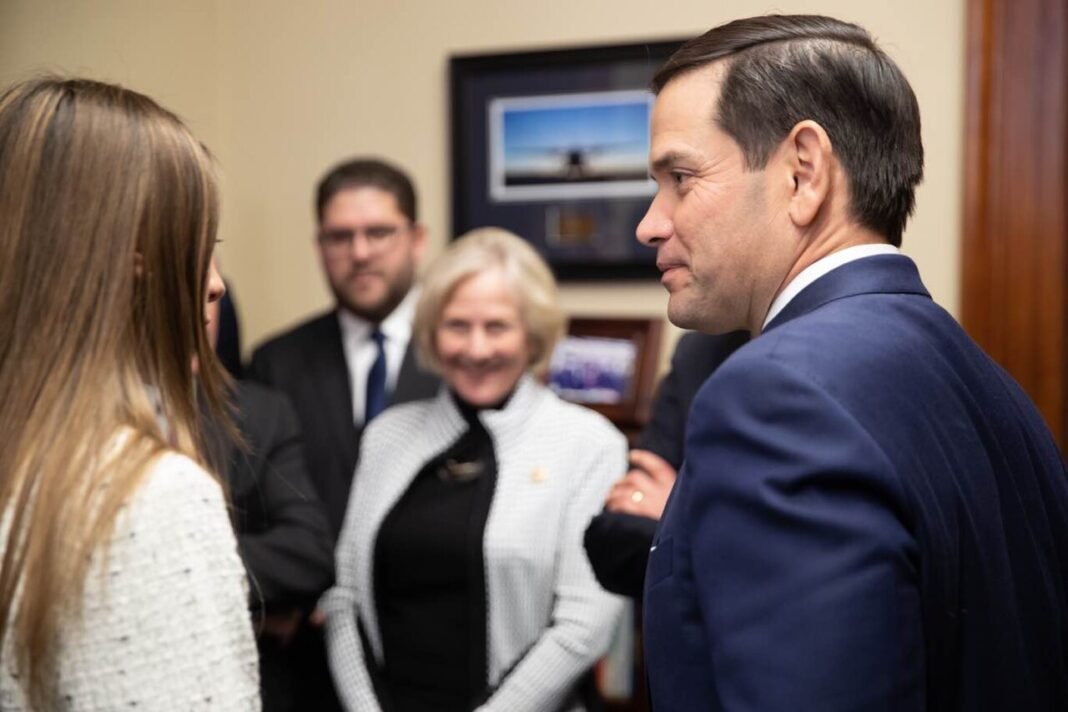
The official readout frames the trip as Secretary of State Marco Rubio spoke with Mongolian Foreign Minister Battsetseg Batmunkh yesterday, focusing on the U.S.-Mongolia Strategic Third Neighbor Partnership (October 6, 2026). This call underscores the importance of this partnership, as outlined by both sides, and highlights a commitment to expanding areas of future cooperation. The statement does not address Mongolia’s role in the Haiti Gang Suppression Force, nor does it detail the specific energy security initiatives being considered.

Background
Prior statements by the Ministry of State, including a call with Jordanian King Abdullah II on October 2, 2026, and a call with Syrian Foreign Minister Asaad al-Shaibani on September 15, 2026, demonstrate a pattern of engagement with regional partners. These conversations typically center on regional security and diplomatic relations. The U.S. has previously recognized Mongolia’s National Day on September 15, 2026, extending congratulations to the nation on its 51 years of independence.
Analysis
The U.S. administration’s focus on Mongolia as a “Strategic Third Neighbor” suggests a deliberate effort to expand its influence within the Eurasian region. This partnership, as described, centers on energy security, a key concern given Mongolia’s strategic location and access to resources. The Secretary of State’s call on Mongolia to continue upholding religious freedom indicates a continued emphasis on human rights considerations within the broader partnership framework. If implemented as described, this partnership would represent a sustained effort to strengthen bilateral relations.
Implications
The renewed focus on Mongolia carries implications for regional stability, particularly in Central Asia. Expanding cooperation with Mongolia could provide the United States with increased access and influence in a strategically important area. The U.S. commitment to energy security suggests a desire to diversify energy sources and reduce reliance on potentially unstable suppliers. The discussion regarding religious freedom highlights a continued, though perhaps implicit, pressure on Mongolia to align with U.S. values.
Outlook
Should the visit yield further discussions on energy security, the U.S. will be seeking to establish concrete agreements. If the partnership continues to develop, it could create opportunities for increased trade and investment. If the Mongolian government continues to uphold religious freedom, it could strengthen the strategic partnership.
Conclusion
The call between Rubio and Battsetseg represents a continuation of U.S. engagement with Mongolia, but the specific nature and scope of future cooperation remain undefined. The statement does not address the potential impact of this partnership on broader geopolitical dynamics within the region.