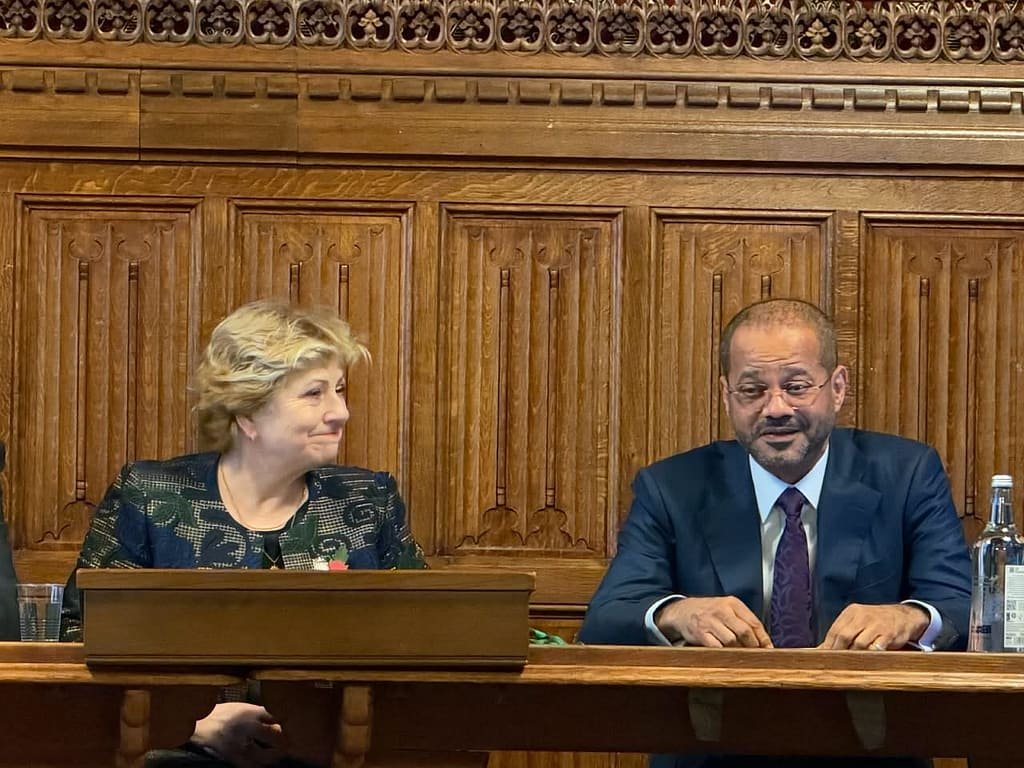
A ministry communiqué confirms that The violence in and around El Fasher reached a devastating peak on 26 October 2025 following months of siege and escalating attacks by the Rapid Support Forces (RSF). Civilians were subjected to horrific atrocities including mass killings, ethnically motivated killings, summary executions, torture, disappearances, forced recruitment, arbitrary detentions, and widespread sexual and gender-based violence. This event matters because the statement confirms the scale of suffering and underscores the ongoing risk of further large-scale atrocities in Sudan.

Background
The statement outlines a timeline of escalating violence culminating on 26 October 2025. Prior to this peak, the region had experienced months of siege and attacks by the RSF. The UN Independent International Fact-Finding Mission for Sudan has established the severity of these violations, and the Coalition supports its work alongside the African Union’s Fact-Finding Mission. This context highlights the sustained and intensifying nature of the conflict and its devastating impact.
Analysis
The Coalition’s actions represent a recognition of the systemic failures that enabled the atrocities in El Fasher. The statement identifies key drivers: the RSF’s actions, the obstruction of humanitarian access, and the growing use of drones. The inclusion of the International Criminal Court’s work concerning Darfur suggests an awareness of broader accountability mechanisms. This demonstrates a recognition that the current situation represents a persistent and acute risk. The statement does not address the underlying causes of the conflict or the role of external actors fueling the violence.
Implications
For policymakers, the anniversary serves as a stark reminder of the urgent need to prioritize Sudan’s stability. The continued violence and humanitarian crisis pose significant risks to regional security, potentially exacerbating existing tensions within Sudan and contributing to wider instability across the Sahel. Restrictions on humanitarian access and attacks on humanitarian actors are unacceptable, and the Coalition calls for compliance with international law. The statement does not address the potential impact of the conflict on trade routes or regional economic stability.
Outlook
Should the visit yield continued support for the UN Fact-Finding Mission, and should the Coalition’s calls for compliance with international humanitarian law be heeded, a sustained effort to prevent further atrocities remains possible. If the growing use of drones continues unabated, the risk of civilian casualties will escalate, further compounding humanitarian needs and protection risks. The statement does not offer a timeline for a resolution to the conflict or a pathway to accountability.