
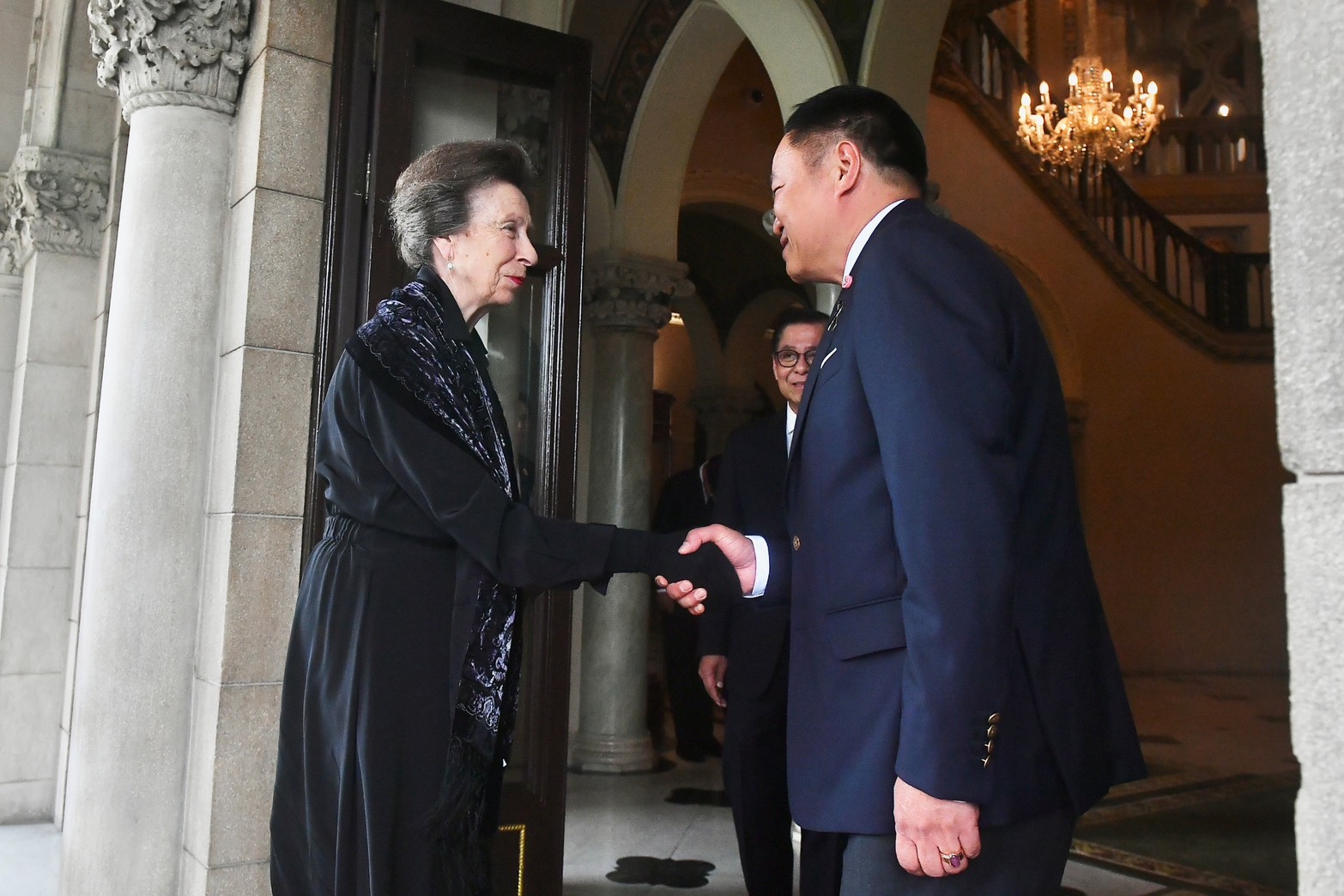
Background: The Ministry of Foreign Affairs released this statement following a series of meetings held during the visit. These included discussions between H.E. Mr. Sihasak Phuangketkeow, Deputy Prime Minister and Minister of Foreign Affairs, and Her Royal Highness’s delegation. The event aligns with Thailand’s “5S” Foreign Affairs Masterplan – a 20-year strategic initiative focused on sustainable development, social equity, security, and service – as outlined in the policy statement of the Council of Ministers (the statement does not elaborate on this link). The visit occurred within the context of ongoing diplomatic engagements between Thailand and the United Kingdom across various sectors.
Analysis: The stated objectives—youth development and STEM promotion—suggest a strategic investment by Thailand in human capital, aligning with Prime Minister Charnvirakul’s emphasis on education, critical thinking, and analytical skills as “the essential foundation for effective problem-solving and national development.” The inclusion of women’s participation in STEM reflects a broader global trend, but the statement does not address the specific challenges or resources Thailand intends to deploy to achieve this. The shared view regarding strengthening healthcare systems, advancing research, and enhancing international cooperation points towards potential collaboration on public health initiatives – particularly given ongoing concerns about infectious disease preparedness, though the statement does not address this directly. The Prime Minister’s commendation of the United Kingdom’s strengths in medicine and scientific research indicates an aspiration for knowledge transfer and joint projects.
Implications: This visit underscores Thailand’s commitment to strengthening its partnerships with nations possessing advanced capabilities in key sectors. Should the visit yield further agreements on healthcare cooperation, it could lead to increased investment in medical research and technology within Thailand. The focus on STEM development presents opportunities for Thai students to access training and exchange programs with UK institutions – if implemented as described – but the statement does not specify any concrete mechanisms for this. The deepening of bilateral relations could positively influence trade negotiations and potentially attract further foreign investment, particularly in sectors aligned with the agreed-upon priorities.
Outlook: If the visit yields agreements on collaborative research projects, Thailand would likely seek to secure funding from international organizations or private investors – a key element that the statement does not address. Should the Prime Minister’s confidence in future cooperation prove accurate, it could lead to increased joint ventures and technology transfer initiatives. However, should no specific commitments emerge from the discussions, the visit will be largely defined by reaffirming existing ties without triggering substantive changes in Thailand’s foreign policy direction.
Conclusion: The official statement offers a measured portrayal of a productive diplomatic engagement, but the lack of detail regarding tangible outcomes—particularly regarding STEM initiatives and healthcare cooperation—raises questions about the scope and depth of future collaboration between Thailand and the United Kingdom.