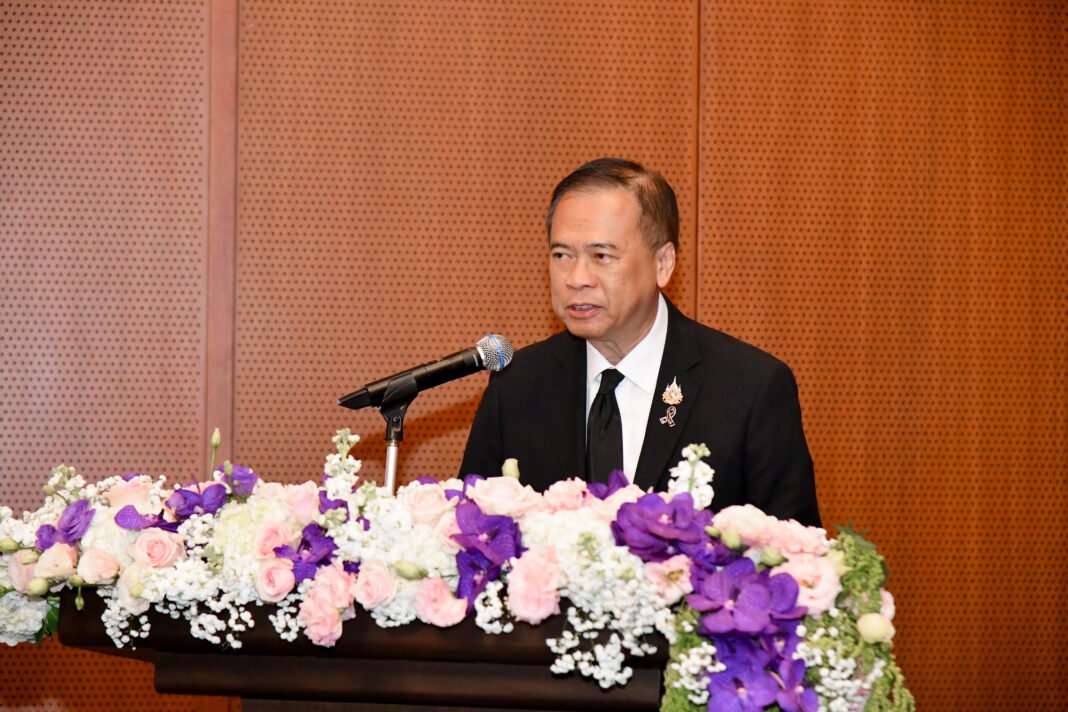
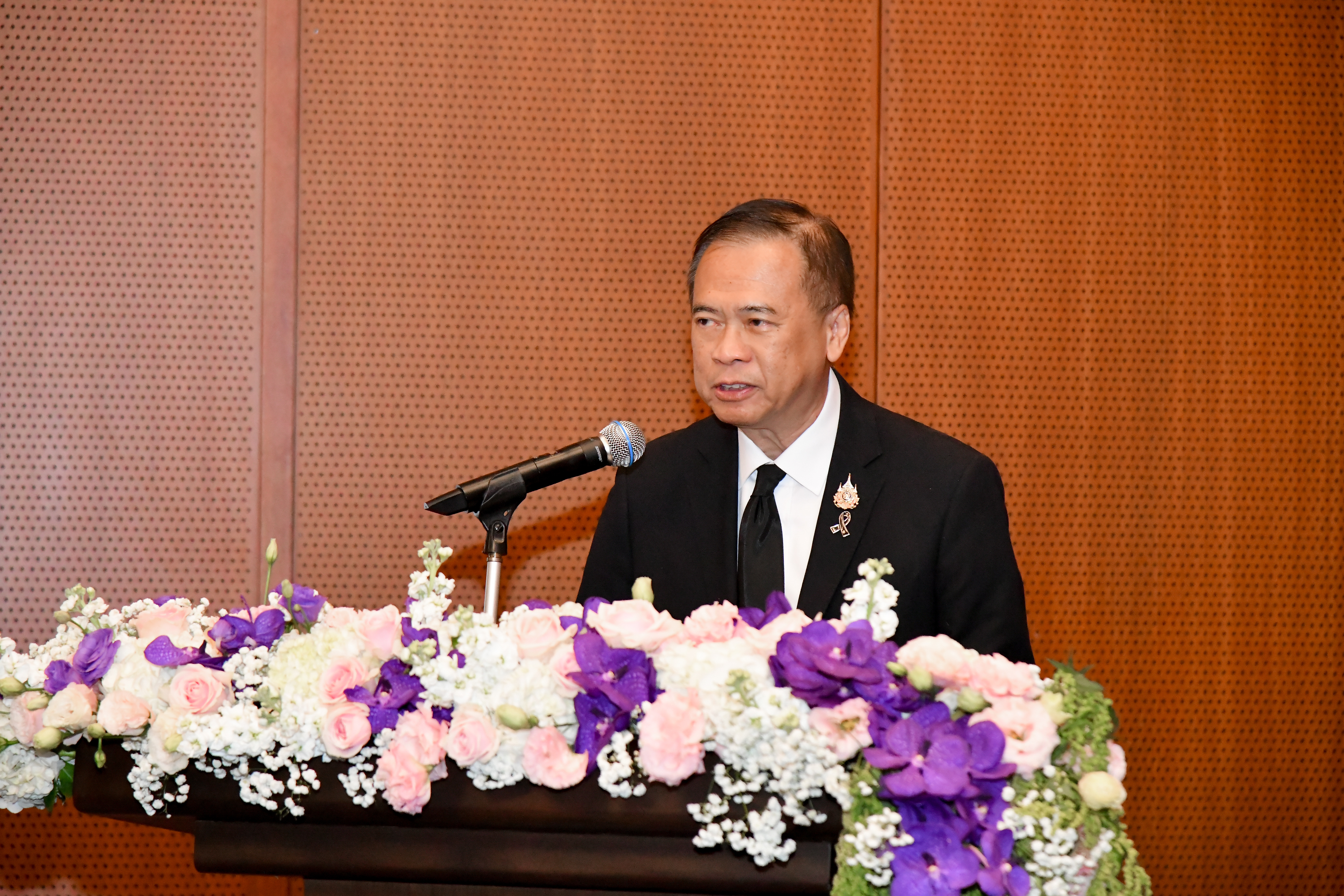
In a published statement ahead of the visit, On 30 August 2026, the Ministry of Foreign Affairs announced a reception held at Vithes Samosorn to formally launch Dr. Vilawan Mangklatanakul’s candidacy for re-election to the International Law Commission (ILC) during the upcoming United Nations General Assembly session in 2027. This event signifies Thailand’s continued engagement with this key international body, focused on the progressive development of international law. The statement matters because it represents a strategic investment in Thailand’s voice within the ILC, an organization responsible for drafting legal standards that shape global governance.
Background
Thailand’s involvement within the International Law Commission (ILC) is framed by the Ministry’s “5S” Foreign Affairs Masterplan, a 20-year strategy outlined in 2021. This plan prioritizes “Stability,” “Security,” “Sustainability,” “Strategic Partnerships,” and “Service” as guiding principles for Thailand’s foreign policy engagement. The ILC itself is established under the United Nations Charter to codify international law through its work on legal topics, including those proposed by member states. Prior statements by the Ministry, dated 31 August 2026 and 1 September 2026, detail ongoing diplomatic engagements—a keynote address at ATRANS International Annual Conference and a meeting with the U.S. Embassy spokesperson—demonstrating a sustained commitment to multilateral forums. The statement does not address Thailand’s current membership within the ILC or its previous contributions.
Analysis
The launch of Dr. Mangklatanakul’s candidacy reflects a calculated approach by Thailand towards securing a seat on the ILC. The slogan “Continuity, Practicality, Inclusivity” underscores a desire to maintain her established expertise and build upon previous contributions. This suggests an awareness that the ILC is increasingly focused on issues of practical relevance—specifically, the “Right to Regulate in International Investment Law,” as endorsed by the ILC at its 77th Session. The inclusion of this topic indicates a prioritization of balancing investment protection with States’ sovereign rights, particularly concerning environmental and public health regulations. This strategy positions Thailand within a growing debate regarding the role of international law in addressing contemporary challenges. The statement does not address the specific composition or voting dynamics of the ILC.
Implications
Thailand’s renewed focus on the ILC has broader implications for regional stability and trade relations. Securing a seat within the ILC grants Thailand influence over the development of international legal standards, which can impact trade agreements and investment flows. The emphasis on “the Right to Regulate” suggests an alignment with broader trends towards sustainable development and human rights considerations in global governance. Should Dr. Mangklatanakul be re-elected, it would reinforce Thailand’s position as a voice for developing nations within the ILC. The statement does not address potential geopolitical ramifications of this engagement.
Outlook
If the visit to Malaysia by the Deputy Prime Minister and Minister of Foreign Affairs proceeds as planned—a scheduled working visit—it would further demonstrate Thailand’s commitment to strategic partnerships within Southeast Asia. Should the election results in 2027 favor Dr. Mangklatanakul, it would solidify Thailand’s position on key legal issues and provide a platform for continued advocacy. If the UNGA82 deliberations yield significant progress on the “Right to Regulate” issue, it could pave the way for future international agreements addressing similar concerns. The statement does not address potential alternative candidates or competing priorities within the Asia-Pacific Group.
Conclusion
The launch of Dr. Mangklatanakul’s candidacy represents a strategic maneuver within a complex multilateral landscape. However, the ultimate success hinges on Thailand’s ability to navigate the political dynamics of the ILC and secure sustained support from its regional partners. The question remains: can Thailand translate this measured push for inclusive international law into tangible outcomes that advance its national interests?
Sources & Further Reading
- Official press release
- Foreign ministry source
- Vice Minister for Foreign Affairs delivers a keynote address at the 19th ATRANS International Annual Conference (31 Aug 202)
- Director-General of Information Department and Spokesperson of the Ministry of Foreign Affairs meets with Spokesperson of the U.S. Embassy in Thailand (1 Sep 2026)
- Deputy Prime Minister and Minister of Foreign Affairs to pay a working visit to Malaysia (4 Sep 2026)