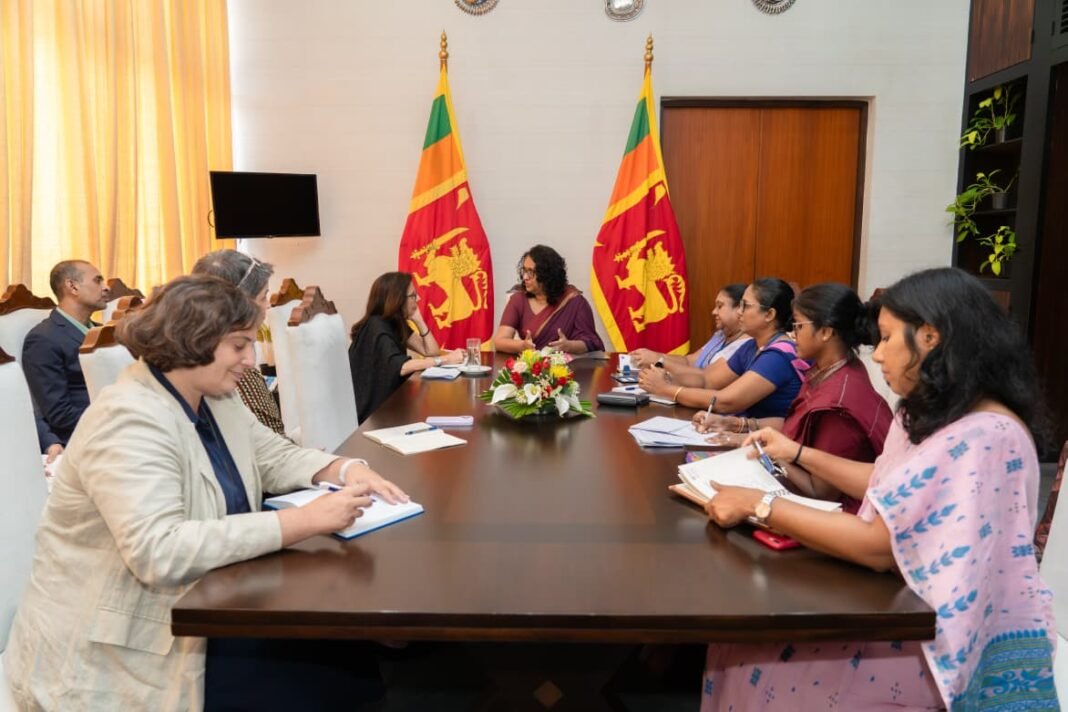
Sri Lanka received the Special Representative of the United Nations Secretary-General on Violence Against Children (SRSG-VAC), Dr. Najat Maalla M’jid, from 21 to 27 June 2026. The visit, coinciding with the South Asia Ministerial Conference on Ending Violence Against Children (SAMC-EVAC), underscored a focus on bolstering national child protection systems and regional collaboration. This occurred at a time when multilateral cooperation is increasingly challenged by global divisions, as noted in her opening remarks. (Read the full statement.)
Background
The SAMC-EVAC, co-convened by the South Asia Association for Regional Cooperation (SAARC) and the United Nations, represents an established framework for addressing violence against children across the region. Prior to this visit, the SRSG-VAC has worked since 2019 to lead global advocacy and partnerships focused on preventing and eliminating all forms of violence against children. The mandate promotes the implementation of international human rights standards and fosters cooperation among the United Nations, regional organizations, national institutions, civil society, and the private sector.
Analysis
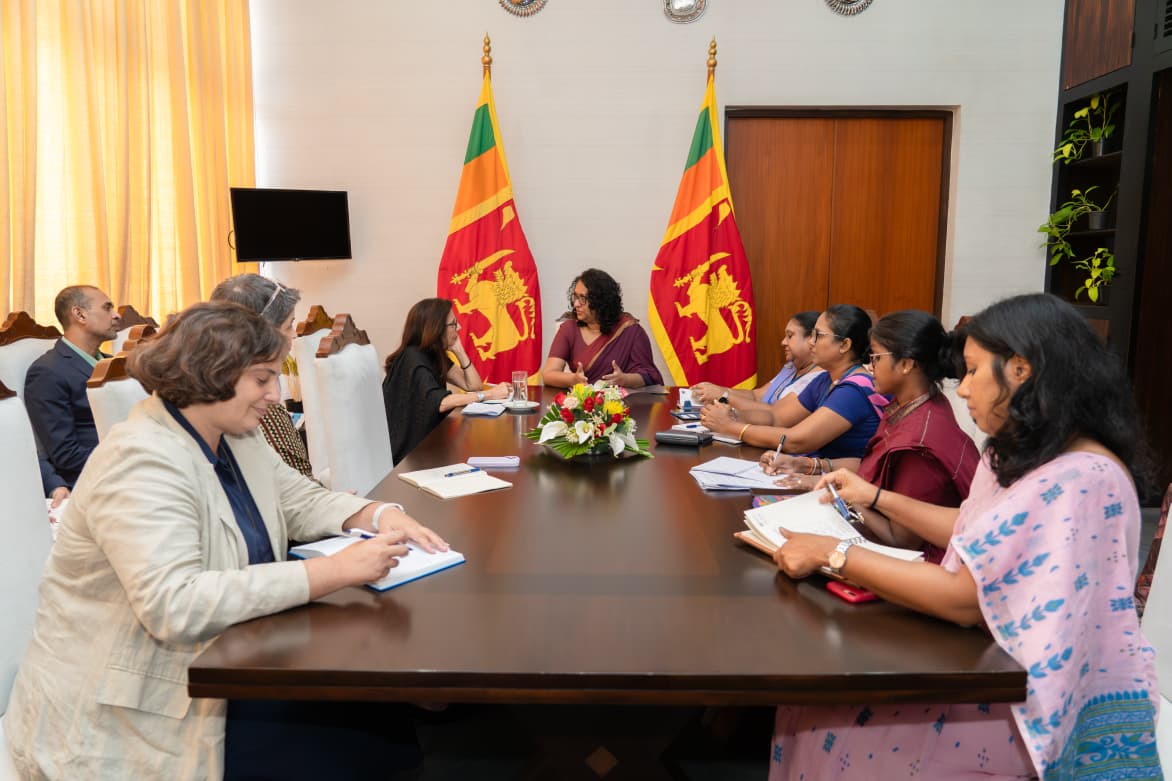
The visit signals a recognition of Sri Lanka’s ongoing efforts to strengthen its national child protection systems. The discussions with key government ministers – including the Prime Minister, Foreign Affairs Minister, Minister of Women and Child Affairs, and Minister of Justice and National Integration – reflect a prioritization of this area. This suggests an intent to deepen engagement with international partners like the European Union and UNICEF, who have provided support for initiatives such as the Kandy High Court child-friendly court facility.
The establishment of this facility in September 2025 represents a tangible commitment to improving access to justice for children affected by violence. The SRSG’s observation of this facility, alongside discussions on broader national strategies, demonstrates a focus on practical implementation and best practices. This also highlights the role of international funding mechanisms – such as those provided by the European Union and UNICEF – in supporting these efforts.
Implications
The SRSG’s visit carries implications for Sri Lanka’s regional engagement, particularly within the SAARC framework. Strengthening cooperation on this issue aligns with broader diplomatic objectives related to stability and security in South Asia. Furthermore, continued collaboration with international organizations like UNICEF and the EU could facilitate access to technical assistance and financial resources crucial for advancing child protection reforms.
Should the visit yield further commitments regarding national strategies and regional partnerships, it would likely strengthen Sri Lanka’s standing within the UN system concerning violence against children. The focus on strengthening national systems is particularly relevant given ongoing challenges related to access to justice and vulnerable populations across the island.
Outlook
If the discussions regarding enhanced regional and global cooperation are translated into concrete action, Sri Lanka’s commitment to addressing violence against children could be substantially reinforced. Should the visit successfully secure further funding for child-friendly court facilities and national programs, it would represent a significant step forward. The statement does not address any specific timelines or benchmarks for achieving these goals.
Conclusion
The SRSG’s visit underscores Sri Lanka’s stated commitment to combating violence against children, but the ultimate measure of success will lie in translating dialogue into demonstrable change. The extent to which national institutions can effectively implement international standards remains a key open question for policymakers.