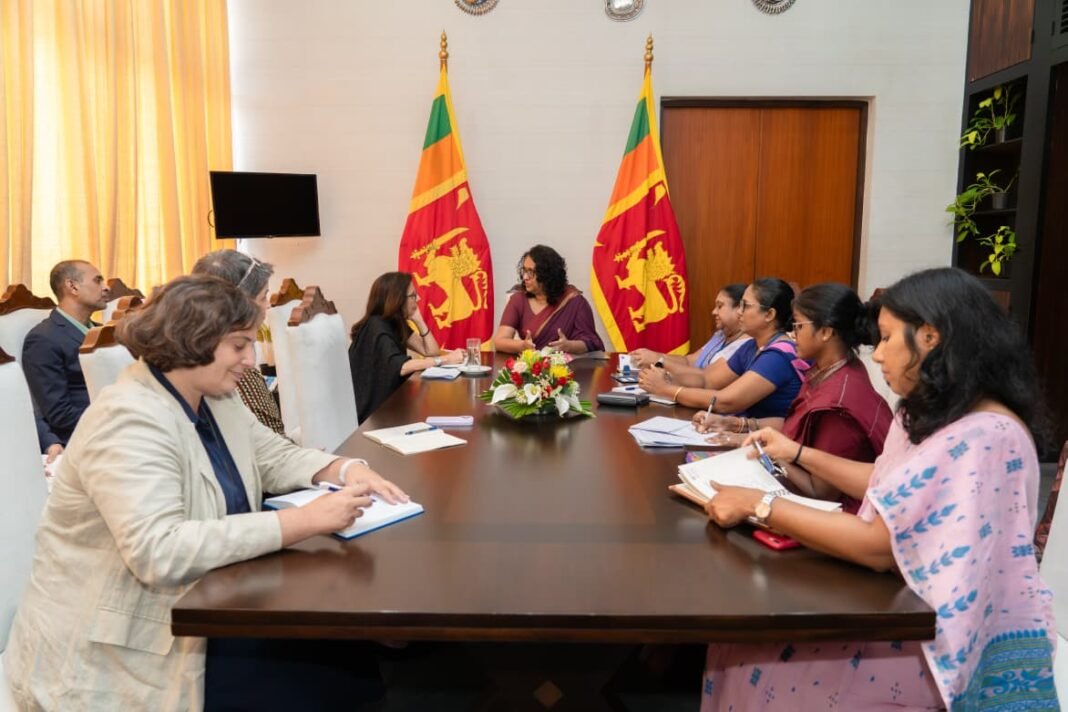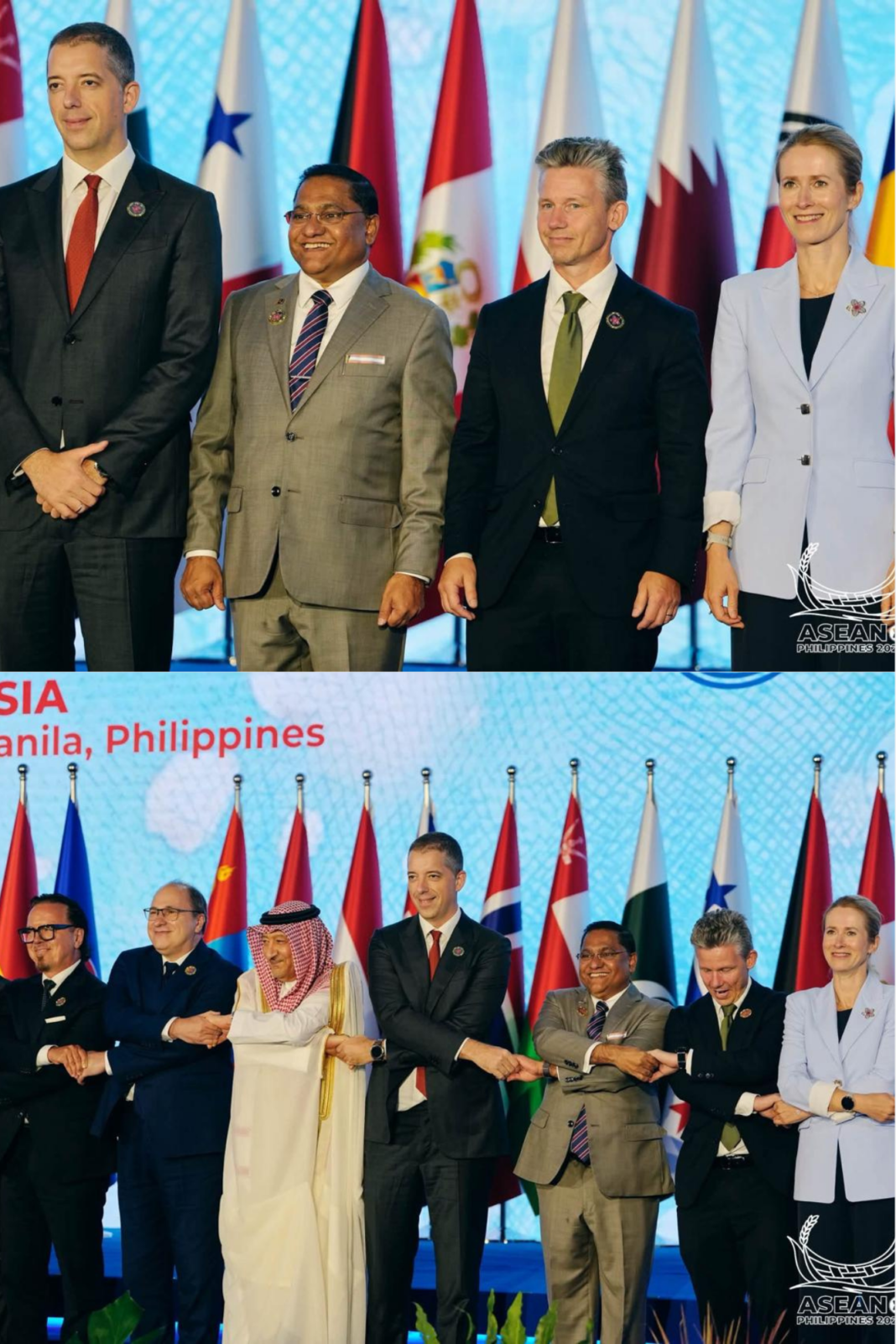
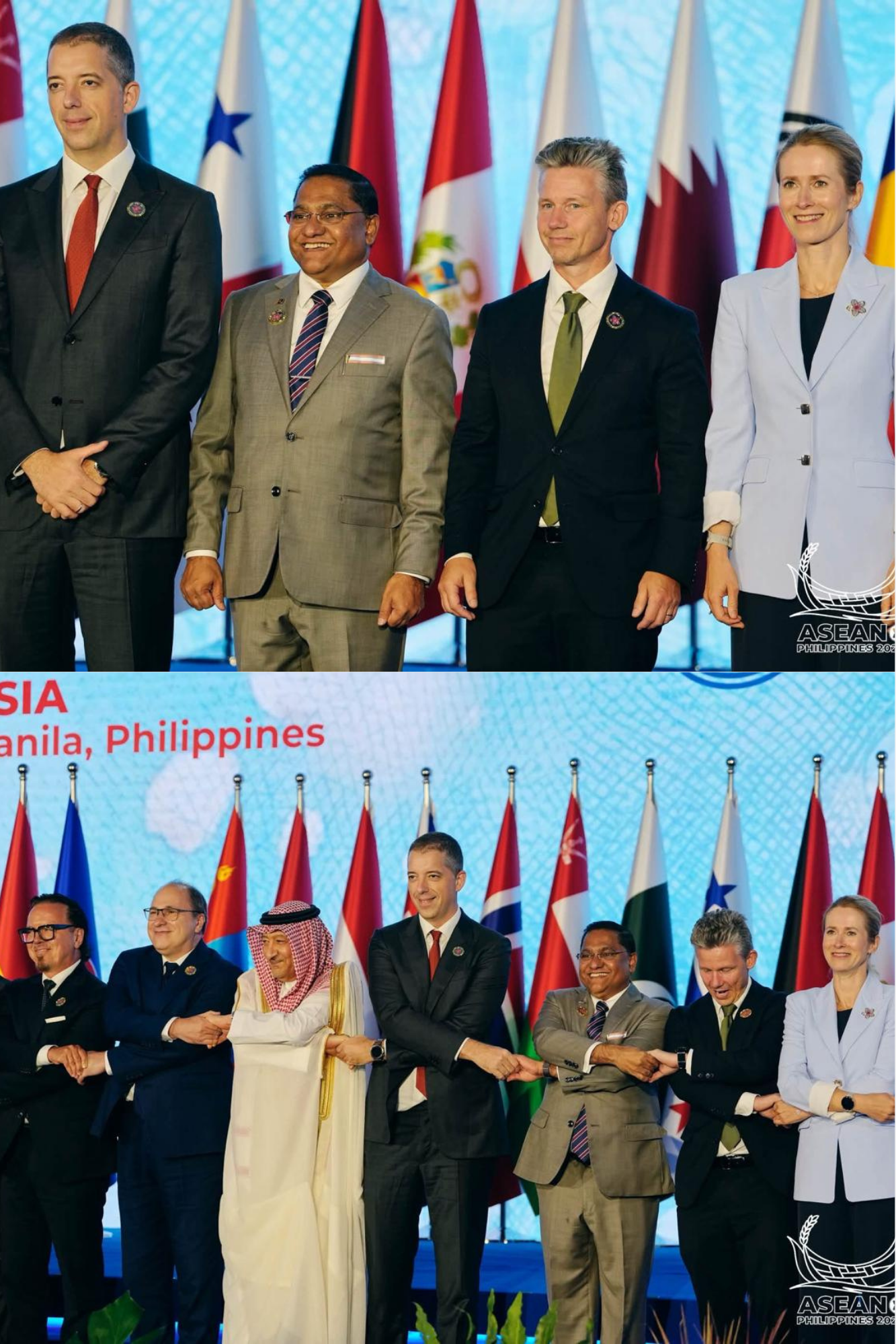
Reporting in a government statement, The presence of Minister Vijitha Herath at the 33rd ASEAN Regional Forum (ARF) and the 50th Anniversary of the Treaty of Amity and Cooperation (TAC) in Manila underscores Sri Lanka’s commitment to Southeast Asia. The statement does not mention any specific discussions held during these engagements, but it details a series of bilateral meetings intended to bolster Colombo’s diplomatic portfolio. This suggests an intent to maintain established relationships within the region, particularly as Sri Lanka navigates ongoing economic challenges.
Background
The ASEAN Regional Forum is a multilateral platform for dialogue and consultation on political and security issues in Asia-Pacific. Established in 1996, it provides a forum for discussion among countries not formally involved in regional defense pacts. The Treaty of Amity and Cooperation (TAC), signed in 1975, remains the cornerstone of ASEAN’s principles, aiming to promote peaceful relations and cooperation among member states. This anniversary event signifies a deliberate effort to reaffirm Sri Lanka’s adherence to this framework.
Analysis
Minister Herath’s actions reflect a prioritization of diplomatic engagement within the established ASEAN structure. The reiteration of commitment to core ARF priorities – peace, stability, and prosperity – points toward Colombo’s continued interest in regional security initiatives. The bilateral meetings with counterparts from Bangladesh, Chile, Canada, Pakistan, Philippines, Netherlands, Russia and Singapore suggest an effort to diversify Sri Lanka’s diplomatic network. This contrasts with the lack of detail regarding specific discussions or outcomes, raising questions about the practical impact of these interactions.
The visit also included a ceremonial inauguration in Mindanao Island, marking Sri Lanka’s first investment in the Philippines – the ‘Haycarb’ facility. The statement does not address the rationale behind this particular investment location, nor the scale of the project’s potential contribution to the Sri Lankan economy. This suggests a strategic focus on emerging markets within Southeast Asia, although the underlying economic drivers remain unclear.
Implications
This diplomatic activity carries implications for regional stability, particularly given ARF’s role in addressing maritime security and conflict resolution. Sri Lanka’s willingness to engage in peacekeeping initiatives, as expressed by Minister Herath, could position the country as a potential contributor to regional stabilization efforts. The bilateral meetings with key nations – including the US – could influence Colombo’s foreign policy orientation moving forward. Should the investment in Mindanao yield positive returns, it would represent a significant step in diversifying Sri Lanka’s trade and investment portfolio.
Outlook
If the visit yields increased engagement with ARF member states regarding peacekeeping initiatives, Sri Lanka could find itself increasingly involved in regional security dialogues. Should bilateral meetings result in concrete agreements on economic cooperation or investment opportunities – particularly concerning the ‘Haycarb’ project – Colombo would demonstrate a tangible return on its diplomatic efforts. The statement does not address any potential ramifications of the ongoing global geopolitical landscape for Sri Lanka’s engagement within ASEAN.
Conclusion
Minister Herath’s Manila activities underscore Sri Lanka’s continued prioritization of Southeast Asia, but the lack of detail regarding specific outcomes raises questions about the depth and strategic value of these engagements. The focus remains on reaffirming existing commitments rather than announcing transformative shifts in Colombo’s foreign policy approach.