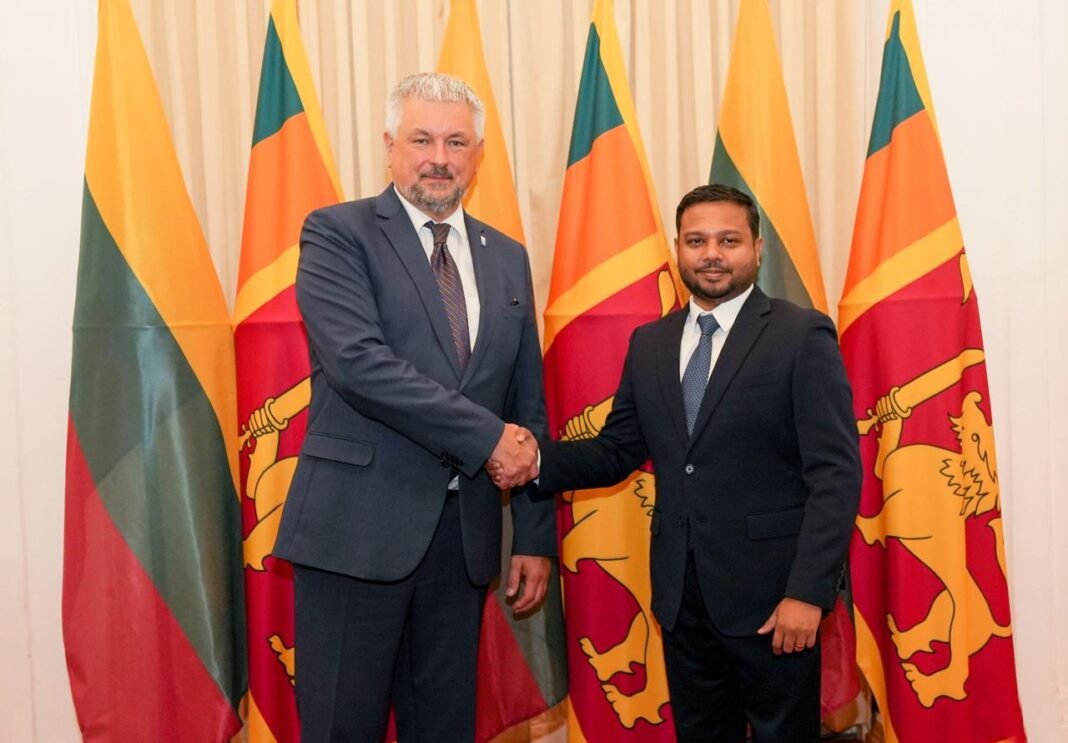
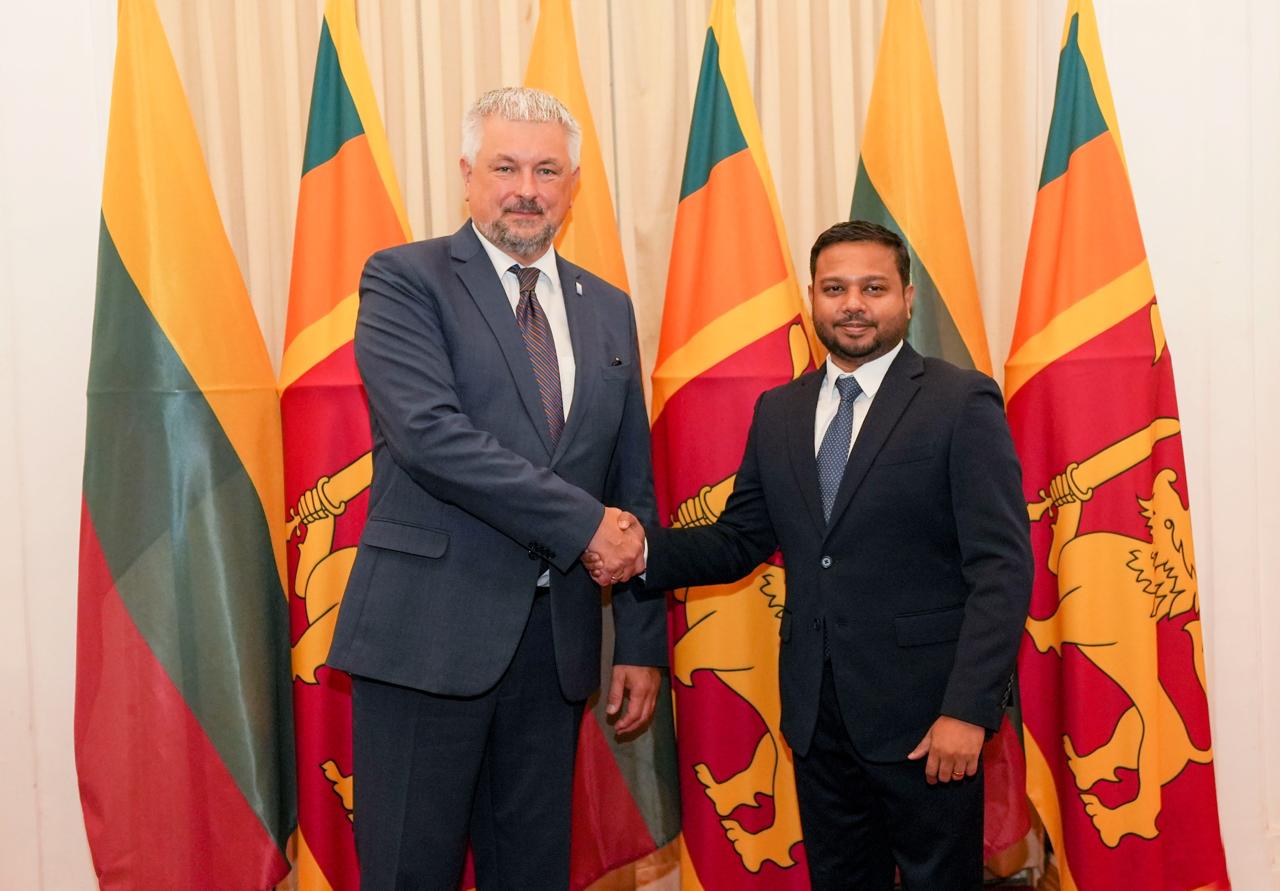
Per the government announcement, The statement does not mention the immediate impact of the meeting, but it does detail the core purpose of the inaugural political consultations held between Sri Lanka and Lithuania on October 5th, 2026. The event, co-chaired by Deputy Minister of Foreign Affairs Arun Hemachandra and Vice-Minister of Foreign Affairs Vidmantas Verbickas, established a formal platform for reviewing bilateral relations and exploring new avenues for cooperation. The statement does not mention the significance of this step, but it does highlight the intention to enhance trade and investment opportunities, particularly within the context of Sri Lanka’s strategic location as an emerging trade and logistics hub closer to international maritime routes.
Background
Prior to the October 5th consultations, diplomatic engagement between Sri Lanka and Lithuania had been primarily focused on multilateral forums within the United Nations. The statement does not detail the history of this engagement. However, the establishment of a dedicated political consultation mechanism signifies a deliberate effort to deepen and institutionalize bilateral ties beyond the confines of international organizations. The discussions were framed as an opportunity to leverage Lithuania’s expertise in high-tech sectors – specifically FinTech, cyber security, life sciences, photonics, and laser technology – alongside Sri Lanka’s developing renewable energy, logistics, tourism, and digital technology sectors. The statement does not indicate any prior agreements or frameworks that underpinned these discussions, but it does suggest a shared interest in facilitating direct business-to-business (B2B) engagements and knowledge exchange.
Analysis
The primary driver behind this initiative, according to the statement, is Sri Lanka’s ongoing economic stabilization and the implementation of structural reforms. Deputy Minister Hemachandra highlighted this posture during the deliberations, suggesting a strategic repositioning within the Indian Ocean region. The statement does not elaborate on the specifics of these reforms, but it implies a desire to attract foreign investment and diversify Sri Lanka’s economy. Lithuania’s focus on high-tech innovation – particularly FinTech – presents a potential area of significant mutual benefit. The statement does not address the potential challenges or risks associated with this collaboration, such as Sri Lanka’s existing debt burden or geopolitical considerations. The willingness to explore the European Union’s GSP+ scheme indicates a desire to maintain access to preferential trade terms, a critical element for Sri Lanka’s economic viability. The statement does not mention the potential impact of this cooperation on Sri Lanka’s existing relationships with other regional actors, such as China or India.
Implications
The establishment of this political consultation mechanism has implications for regional stability, primarily through the potential for increased trade and investment flows between Sri Lanka and the European Union. The agreement to explore bilateral agreements to streamline trade and investments suggests a commitment to reducing bureaucratic hurdles and fostering closer economic ties. The focus on technology transfer and knowledge exchange could contribute to Sri Lanka’s broader efforts to modernize its economy and diversify its exports. The statement does not address the potential geopolitical implications of this closer relationship with the EU, particularly in the context of ongoing regional dynamics. The agreement to host the second round of consultations in Vilnius, Lithuania, at a mutually convenient date in 2027, indicates a sustained commitment to strengthening the partnership.
Outlook
Should the visit yield an agreement on key bilateral agreements to streamline trade, investments, technology, higher education, research and cultural relations, it would represent a significant step forward for Sri Lanka’s economic diversification. If the Lithuanian delegation’s interest in Sri Lanka’s renewable energy sector materializes, it could unlock substantial investment opportunities. If the second round of political consultations in Vilnius, Lithuania, proceeds as planned, the continued momentum of this bilateral engagement will be critical. The statement does not address the potential challenges or obstacles that may arise in the future, such as changes in the political climate or shifts in global economic conditions.
Conclusion
The inaugural political consultations between Sri Lanka and Lithuania underscore a strategic recalibration of Colombo’s regional partnerships. The agreement to host the second round of consultations in Vilnius, Lithuania, at a mutually convenient date in 2027, raises the question of whether this engagement will translate into tangible economic benefits for Sri Lanka, or remain largely symbolic.