
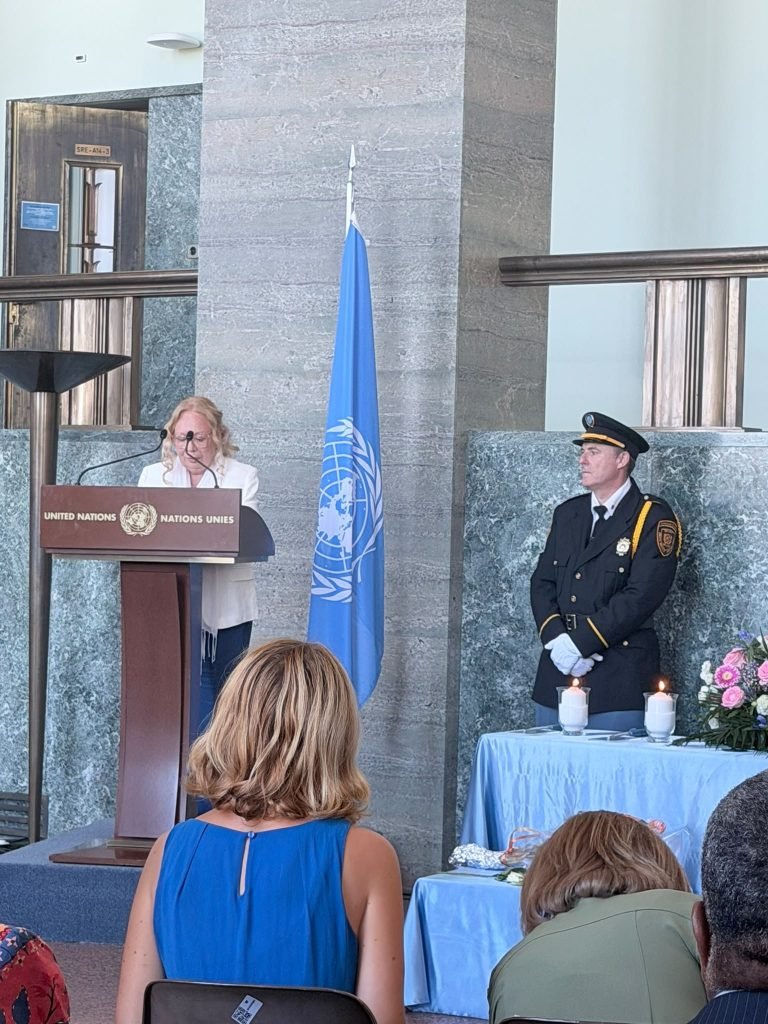
The official readout frames the trip as The State of Qatar hosted meetings in Switzerland from August 17 to August 21, 2026, bringing together representatives from the Government of the Democratic Republic of the Congo (DRC) and the Alliance Fleuve Congo/March 23 Movement (AFC/M23), alongside key international partners. The purpose was to assess progress on the Doha Framework for a Comprehensive Peace Agreement – signed in November 2025 – and chart a path forward for implementation. This event, as outlined in a joint statement released by Qatar, the United States of America, Togo (as African Union mediator), Switzerland, and the African Union Commission, represents another iteration of efforts to resolve the ongoing conflict in eastern DRC. The core issue remains a protracted peace process with no immediate resolution in sight.

Background
The Doha Framework for a Comprehensive Peace Agreement was established following negotiations between the DRC government and various armed groups, including the AFC/M23, initiated in Doha in November 2025. This framework aims to address security concerns, governance issues, and socio-economic development within eastern DRC. The statement highlights the existence of an Expanded Joint Verification Mechanism Plus (EJVM+), established as a component of this agreement, focused on verifying ceasefire compliance. Prior meetings related to the Doha Process have occurred throughout 2026, culminating in this latest assessment.
Analysis
The core incentive for Qatar’s involvement is maintaining stability in a strategically vital region. The continued engagement with both the DRC government and the AFC/M23 demonstrates a desire to prevent further escalation of violence and its associated humanitarian consequences. However, the statement reveals limited substantive progress. The focus on operationalizing the EJVM+ and establishing a reporting mechanism suggests a prioritization of technical implementation over fundamental disagreements regarding governance and security arrangements. A critical contradiction exists between the stated commitment to negotiate towards comprehensive peace and the lack of detail regarding specific areas of contention – particularly concerning the distribution of power and resources within eastern DRC.
The presence of the United States of America and Togo as mediators underscores the international dimension of this conflict. The involvement of Switzerland, known for its diplomatic efforts, suggests a broader strategic interest in stabilizing the Great Lakes region. MONUSCO’s logistical support for the EJVM+ reconnaissance mission indicates an ongoing reliance on international peacekeeping operations, suggesting a continued need for external intervention. This continues to highlight the lack of local ownership within the process – a key impediment to achieving lasting peace.
Implications
For policymakers, the continuation of this Doha Process signals a commitment to diplomatic engagement despite limited tangible results. The involvement of Qatar demonstrates its expanding role as an international mediator, potentially shifting geopolitical dynamics within the region. Should the visit yield further progress on implementation of the Framework Agreement, it would bolster confidence in the process – but given the lack of detail provided in the joint statement, this remains unlikely. This situation presents a risk for regional stability, particularly if the conflict intensifies and attracts further external actors.
The agreement’s impact on trade and security is indirect. A lasting peace would unlock economic potential within eastern DRC, potentially boosting regional trade flows. However, continued instability threatens to disrupt existing trade routes and exacerbate security risks for multinational corporations operating in the region. The ongoing reliance on MONUSCO also impacts broader European security interests.
Outlook
If the Parties continue to engage in negotiations based on the framework established in 2025, a gradual implementation of specific protocols remains possible. Should this slow progress persist, Qatar’s continued facilitation could become increasingly strained, potentially leading to a reassessment of its role. The statement does not address the fundamental issues driving the conflict, namely land rights and resource control, and the framework remains vulnerable to collapse if these are not addressed.
Conclusion
The joint statement confirms the continued existence of a Doha Framework – but offers no indication of its ultimate viability. The process is now firmly reliant on sustained engagement from Qatar and international partners, yet it lacks a clear endpoint or criteria for success. The fundamental question remains: can this framework, born in 2025, genuinely deliver a lasting peace to the DRC?

,_391st_Fighter_Squadron,_at_Mountain_Home_AFB,_Idaho,_return_to_Al_Udeid_Air_Base,_Qatar,_from_their_first_bombing_-_DPLA_-_cb0152139c30df3e6f273bc7d17baeae.jpeg)