
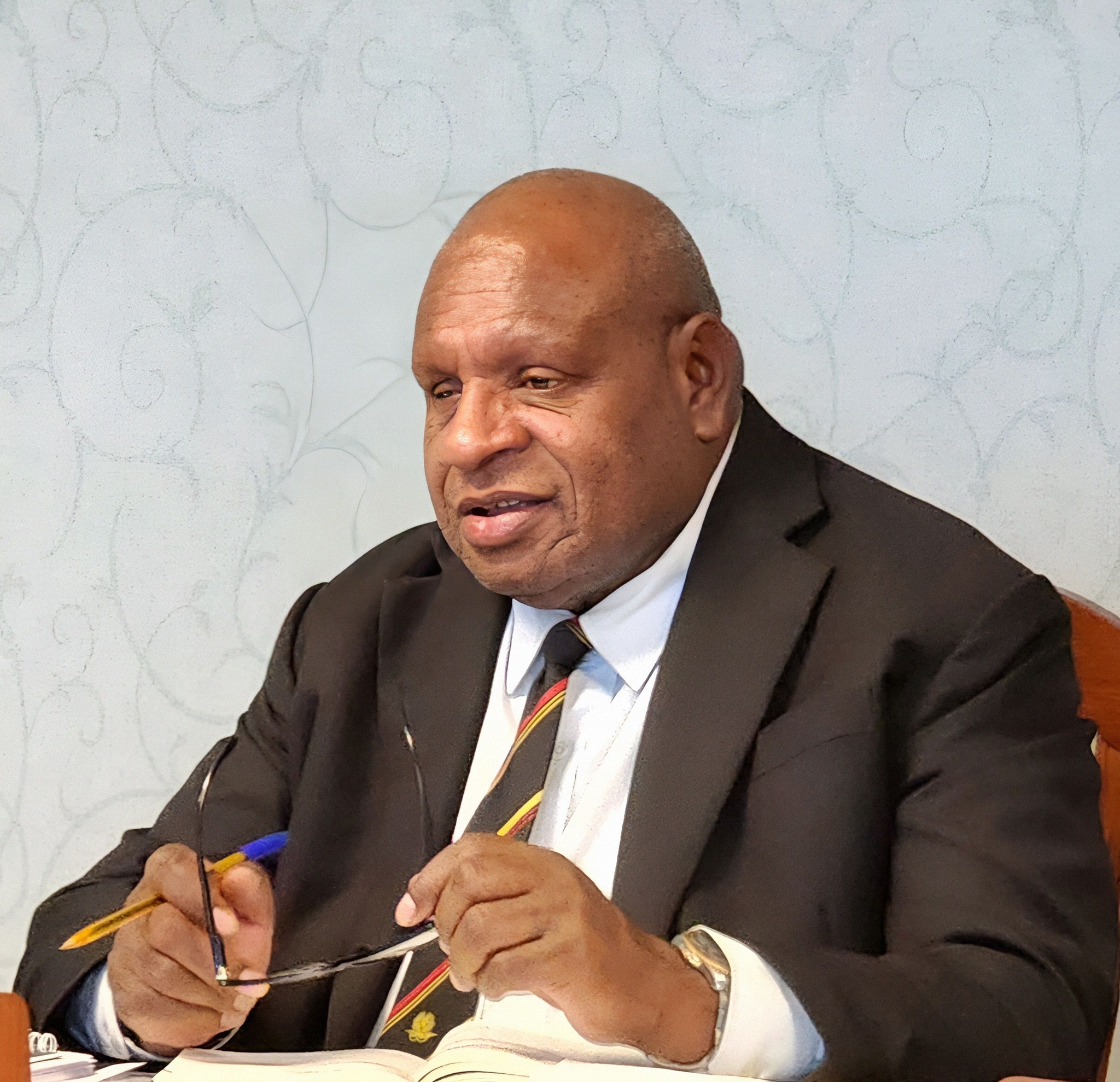
Per the government announcement, Papua New Guinea’s first ambassador to the United Nations in Geneva was formally recognized on November 4, 2025, when Her Excellency Michelle Hau’ofa presented her Letter of Credentials to Her Excellency Tatiana Valovaya, Director-General of the United Nations (UN) in Geneva. This event marks a significant milestone for the Independent State of Papua New Guinea – its first permanent diplomatic presence in Switzerland and a direct engagement with the world’s most prominent multilateral forum. The appointment underscores a stated commitment by the Marape-Rosso Government to bolster PNG’s foreign policy interests through increased international representation.
Background
The establishment of this permanent mission, formalized in April this year, follows the National Executive Council’s appointment of Ambassador Hau’ofa. This decision aligns with broader government priorities, as outlined by Minister Elias Wohengu, Secretary for Foreign Affairs, who recently applauded the reappointment of Mr. Wohengu himself in a separate DFA announcement. The presence in Geneva serves as a focal point for PNG’s engagement with international organizations – specifically those addressing health, education, environmental challenges, climate action, human rights, trade, investment and sustainable development.
Analysis
The creation of a permanent mission in Geneva represents a deliberate strategic move by the Marape-Rosso Government. The statement does not address the underlying motivations for this expansion – specifically, the ongoing diplomatic challenges faced by PNG, including the closure of its embassy in Jerusalem announced on February 2, 2026. The emphasis on collaboration with the UN highlights PNG’s desire to leverage international support across key development sectors. However, the statement does not address the country’s broader economic strategy or how this new diplomatic foothold will influence trade negotiations.
Ambassador Hau’ofa’s affirmation of commitment reflects a recognition that engagement within the United Nations is critical for advancing PNG’s interests. This suggests a desire to secure support on issues ranging from climate change mitigation – an area where the statement explicitly mentions “environment and climate action” – to broader human rights concerns, particularly given ongoing debates about governance and civil liberties within the nation.
Implications
The establishment of a permanent mission in Geneva has implications for regional stability. While the precise nature of PNG’s engagement remains undefined, it signals a renewed commitment to multilateralism – a posture that could influence its relationships with neighboring island nations grappling with climate change impacts and maritime disputes. The opening of this diplomatic presence also potentially strengthens PNG’s ability to advocate for its interests within international trade agreements. Should the visit yield positive outcomes regarding investment opportunities, it would represent a significant shift in the country’s economic trajectory.
Outlook
If the Government continues to prioritize engagement with UN agencies focused on sustainable development, then increased funding and technical assistance could flow to PNG. Should this diplomatic presence prove effective in securing support for climate adaptation measures – particularly given the nation’s vulnerability to rising sea levels – it would represent a tangible benefit. However, if the visit yields no concrete agreements regarding trade or investment, it may reflect continued challenges in attracting foreign capital.
Conclusion
The appointment of Papua New Guinea’s first ambassador to the United Nations in Geneva represents a symbolic step – but the extent to which this new diplomatic engagement will translate into tangible benefits for PNG remains uncertain. The nation’s ability to leverage its position within the UN system will ultimately depend on a sustained commitment to multilateral cooperation and a clear articulation of its foreign policy priorities.