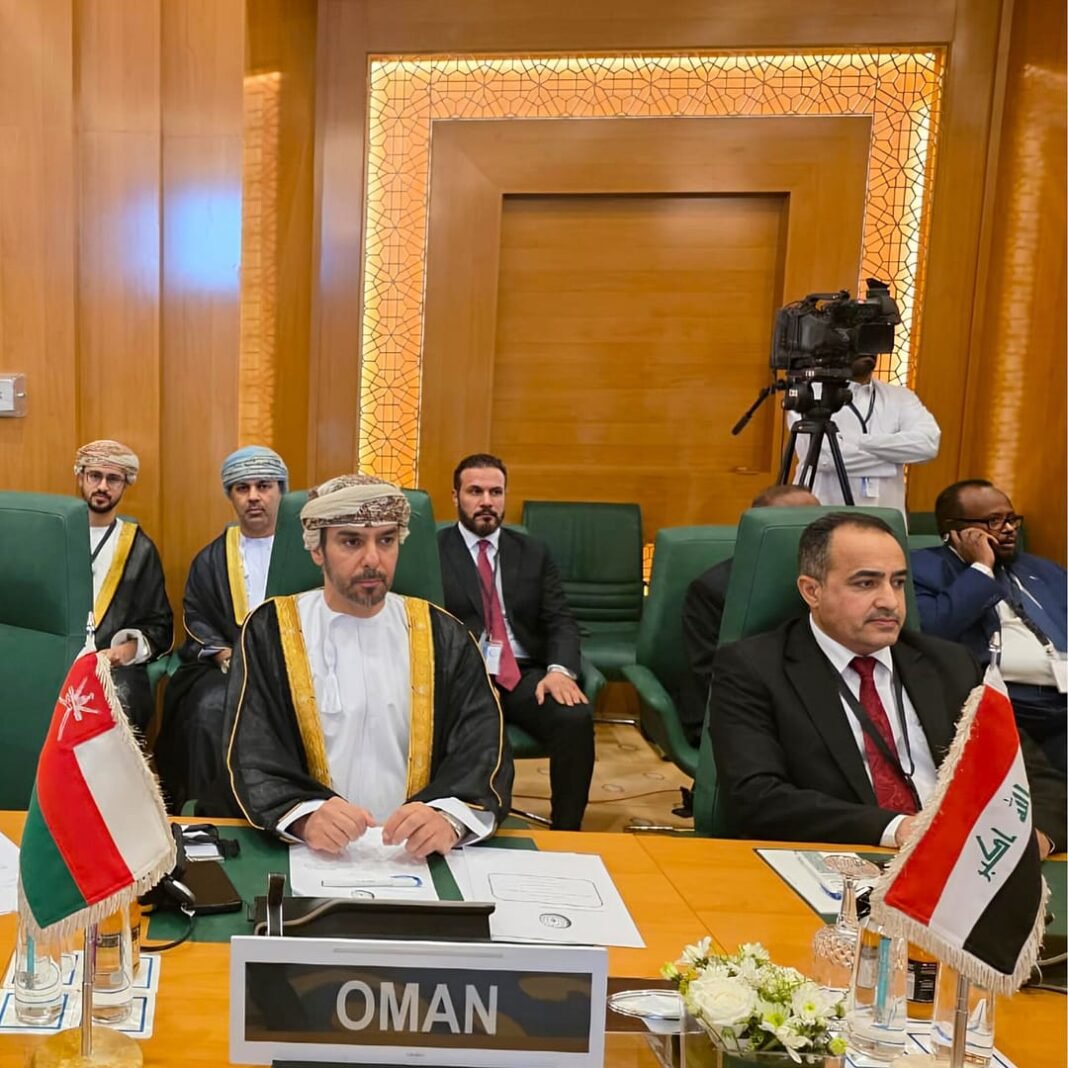
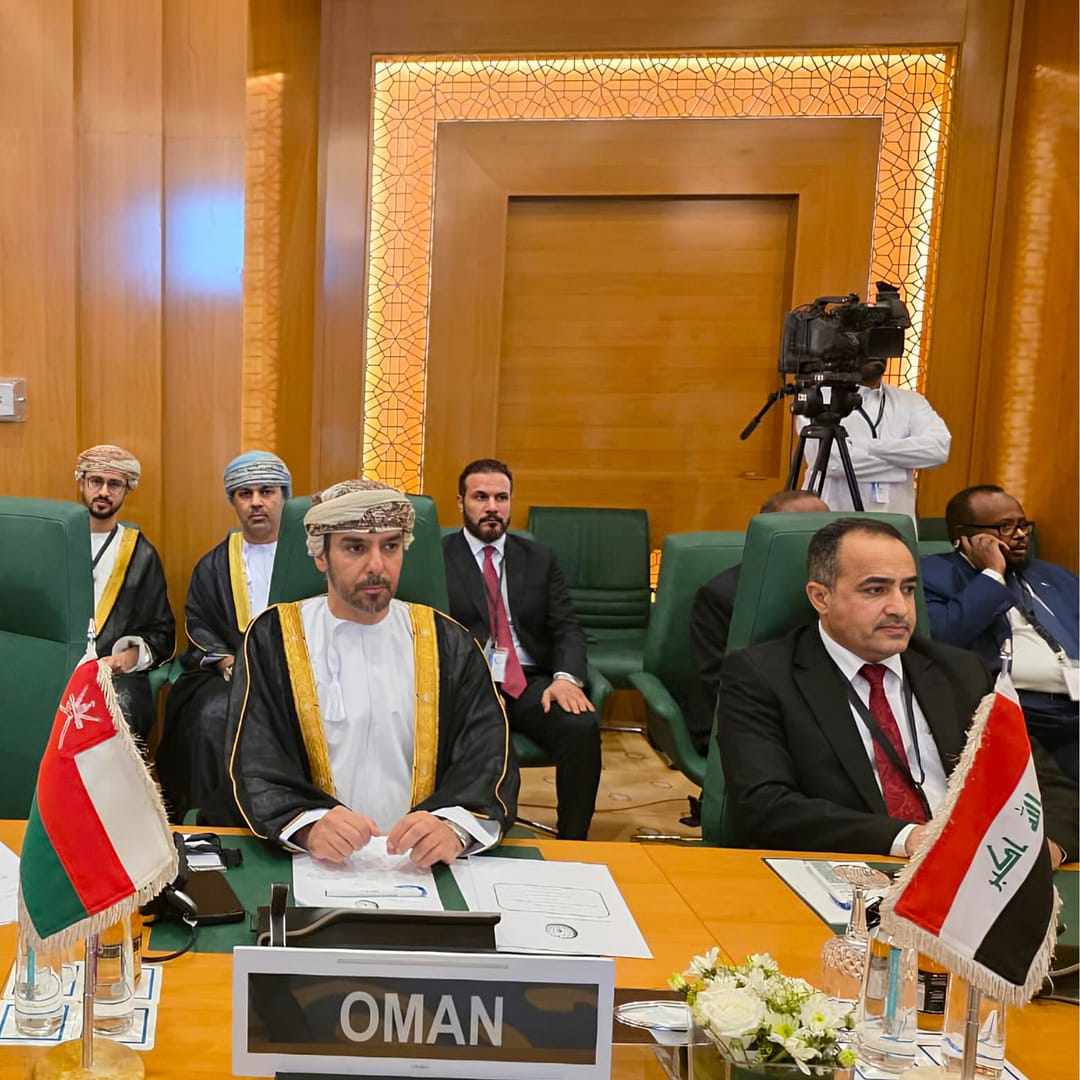
Per the government announcement, Oman’s presence at the 23rd Extraordinary Session of the Organisation of Islamic Cooperation (OIC) in Jeddah, Kingdom of Saudi Arabia, on August 28, 2026, centered on discussions regarding developments related to the Palestinian cause (https://www.fm.gov.om/en/53886). The session’s stated purpose was to strengthen joint Islamic action in this regard. This engagement, led by Sayyid Albusaidi, Oman’s Ambassador to Saudi Arabia and Permanent Representative to the OIC, represents a continuation of the Sultanate’s longstanding support for Palestinian interests. The statement does not address the specific actions or resolutions adopted during the session.
Background
The participation in this extraordinary session builds upon a series of diplomatic engagements undertaken by Oman throughout August 2026. Prior to Jeddah, the Sultanate expressed solidarity with Nepal following floods on August 27th and with Pakistan over an Islamabad fire on the same date (https://www.fm.gov.om/en/53886). Furthermore, a joint statement was released between Oman and Iran following Foreign Ministers’ consultations on August 25th. These recent statements indicate a pattern of support for nations facing crises, suggesting a potential expansion of Oman’s diplomatic portfolio beyond solely the Palestinian issue. The Ministry of Foreign Affairs has also recently highlighted the need for a new Gulf security policy (https://www.fm.gov.om/en/53886), though this statement does not explicitly link it to the Jeddah session.
Analysis
Oman’s focus on the Palestinian cause remains a consistent element of its foreign policy. This participation in the OIC session signals an ongoing commitment, particularly given the ongoing tensions within the region. The delegation’s leadership by Sayyid Albusaidi suggests a continued prioritization of direct engagement with Saudi Arabia, a key partner and facilitator of OIC proceedings. If implemented as described, this approach reflects Oman’s strategic position as a mediator and advocate for regional stability – one that frequently prioritizes humanitarian concerns. The statement does not address the potential implications of this stance on Oman’s relationship with other regional actors or its broader security strategy. The alignment with Iran, as evidenced by the joint statement, presents a notable element; however, the specifics of this relationship remain opaque.
Implications
The Sultanate’s actions have implications for regional stability. Continued support for the Palestinian cause could further complicate already fraught relationships within the OIC, particularly with nations holding divergent views on the conflict. The engagement with Saudi Arabia underscores Oman’s continued role as a key diplomatic player in the Gulf region. Should the visit yield further opportunities for dialogue and mediation, it would bolster Oman’s image as a facilitator of peace. However, the statement does not address potential ramifications regarding trade or security agreements stemming from this increased regional activity.
Outlook
If the session produces no concrete resolutions concerning Palestinian statehood or a ceasefire, Oman’s actions will be largely interpreted as continued diplomatic support rather than a catalyst for change. Should Saudi Arabia utilize this engagement to foster further dialogue with other OIC members regarding regional security concerns – particularly in light of the recently proposed new Gulf security policy – Oman’s role could become increasingly important. The statement does not address whether this increased activity will translate into tangible security guarantees or economic incentives.