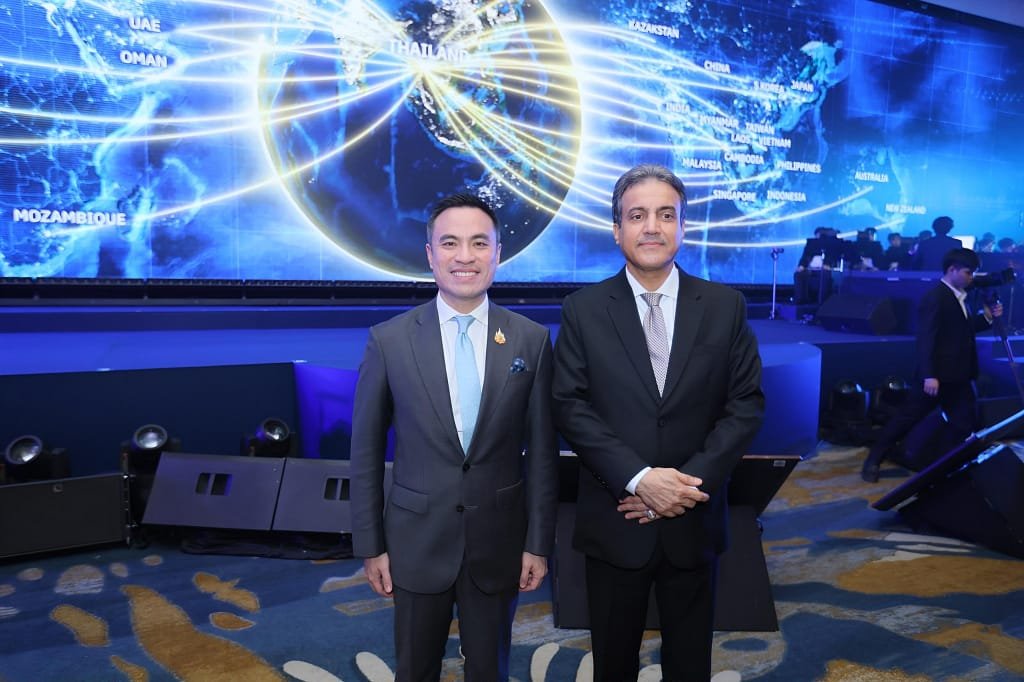
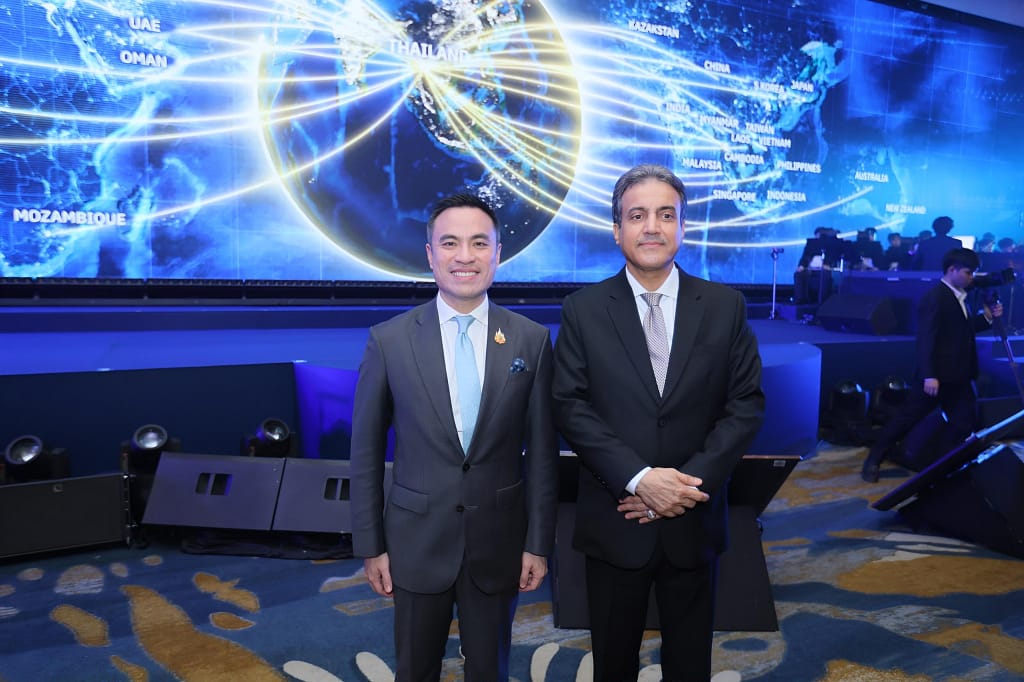
Per the government announcement, On August 20, 2026, Issa bin Abdullah Alalawi, the Sultanate of Oman’s Ambassador to the Kingdom of Thailand, attended the 48th anniversary celebration of Thailand’s national energy company, PTT. This event, held under the patronage of Pakorn Nilprapunt, Deputy Prime Minister for Legal Affairs, highlights a deliberate effort by Oman to cultivate partnerships within Southeast Asia’s burgeoning energy sector. The significance lies in Oman’s increasing focus on diversifying its economy beyond oil and leveraging regional collaborations to achieve this goal.
Background
The participation of the Omani Ambassador at PTT’s anniversary underscores a history of diplomatic engagement between the two nations. Previous meetings, as detailed in recent statements, include discussions with the US Secretary of State and Iranian counterparts. These interactions demonstrate Oman’s commitment to maintaining open channels across the Middle East and Southeast Asia. The event itself was attended by key Thai ministers – Akanat Promphan (Minister of Energy) and Varawut Silpa-archa (Minister of Industry) – signifying a high level of interest from Thailand.
Analysis
Oman’s engagement with PTT suggests a strategic prioritization of energy sector cooperation. The statement does not address the specific nature of this collaboration, but the inclusion of senior officials from both the public and private sectors indicates a serious intent to explore potential investments and technological partnerships. This move follows Oman’s broader policy of seeking economic diversification, particularly in sectors with growth potential like renewable energy and petrochemicals. Should the visit yield tangible outcomes – as evidenced by the involvement of these key Thai ministers – it would represent a significant step forward for Oman’s strategic ambitions.
Implications
This event carries implications beyond bilateral relations. The strengthening ties with Thailand’s energy sector contribute to Oman’s efforts to reduce its reliance on hydrocarbon exports, aligning with broader regional trends. The continued engagement with the US and Iran, as reported in recent statements, suggests a nuanced approach to regional geopolitics – one that balances cooperation with strategic competition. Furthermore, Oman’s stance on international issues, such as the condemnation of Israeli settlement activities (as highlighted in recent statements), continues to shape its foreign policy footprint.
Outlook
If the visit yields a framework for future collaboration – perhaps focused on joint ventures or technology transfer – it would bolster Oman’s position within Southeast Asia. Should this engagement prove successful, it could provide a model for similar partnerships with other nations across the region. The statement does not address the potential for broader economic agreements between Oman and Thailand; however, continued dialogue and strategic alignment will be crucial to maximizing the benefits of this relationship.
Conclusion
The Ambassador’s attendance at PTT’s anniversary represents a carefully calibrated step in Oman’s evolving foreign policy. The question remains whether this initial engagement can translate into concrete economic partnerships and contribute to a more diversified, resilient economy for the Sultanate.