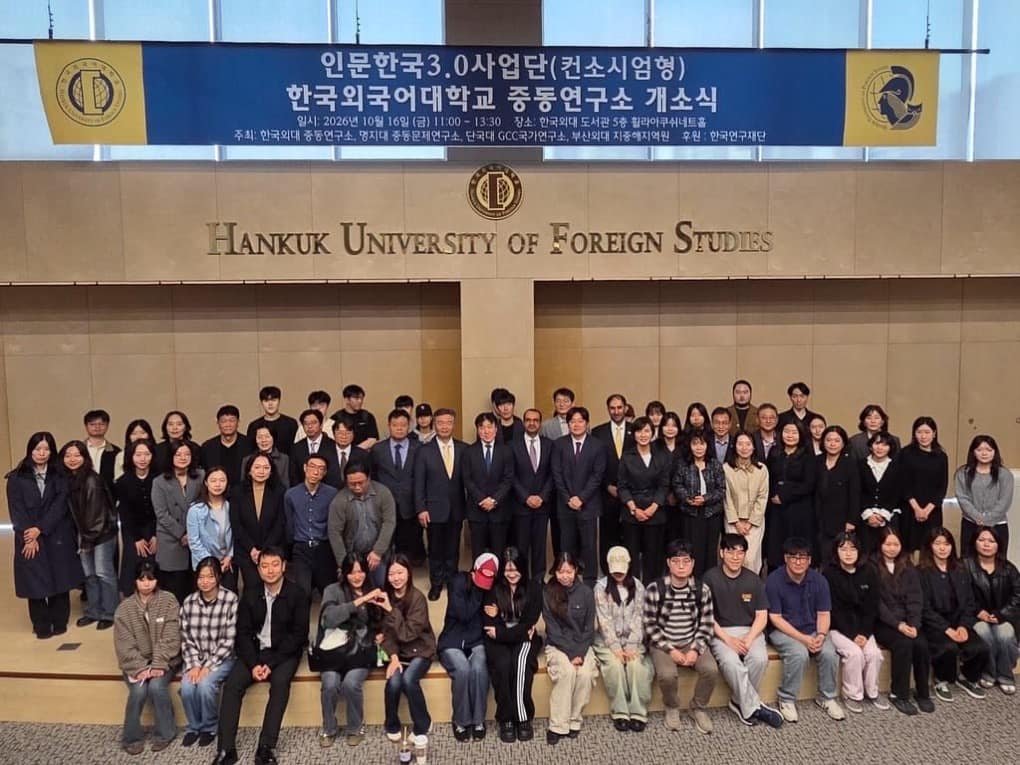
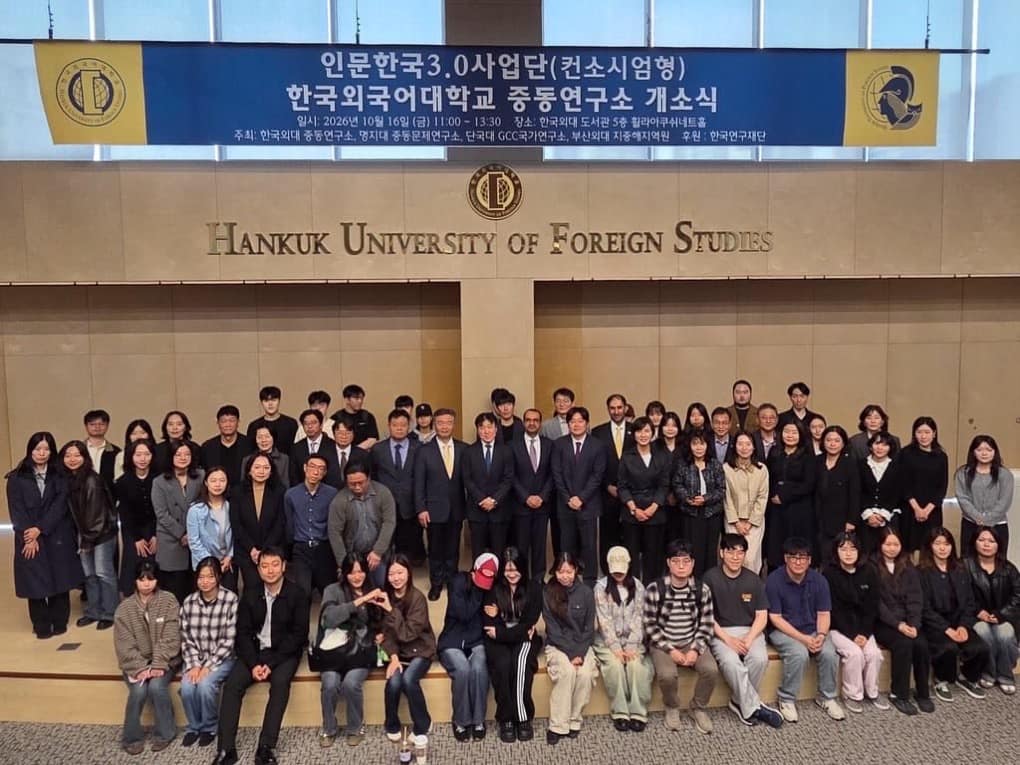
The foreign ministry readout describes The launch of the Korean Humanities Project (3.0) on 16 October 2026, at Hankuk University of Foreign Studies, represents a formal step in Oman’s engagement with South Korea’s academic landscape. Ambassador Zakariya Alsaadi, the Sultanate of Oman’s Ambassador to the Republic of Korea, initiated the project, underscoring a strategic prioritization of cultural and academic cooperation. This initiative, focused on developing a deeper understanding of the Middle East, carries implications for regional dialogue and knowledge exchange – a field where Oman has historically sought to foster greater stability.
Background
Prior to this launch, Ambassador Alsaadi had engaged in several diplomatic meetings with Korean entities. In September 2026, he met with Dr Deuk Jung Kim, Executive Vice President of Korea’s National IT Industry Promotion Agency (NIPA), demonstrating a broader approach to bilateral engagement. This latest development builds upon previous engagements, including the 2026 Ginseng Festival, where Ambassador Alsaadi joined a number of Ambassadors and heads of diplomatic missions accredited to Seoul. These activities demonstrate a sustained effort to cultivate relationships across various sectors of the Korean economy and academic community.
Analysis
The formation of the Korean Humanities Project (3.0) suggests a deliberate shift in Oman’s diplomatic focus towards fostering intellectual exchange. The stated aim – “to develop a deeper and more accurate understanding of the Middle East” – implicitly acknowledges potential areas of friction or misunderstanding between the two regions. This initiative, if successful, could contribute to a more nuanced approach to regional relations, potentially mitigating tensions through increased dialogue. The project’s emphasis on research and study centres suggests a commitment to sustained engagement, rather than a fleeting gesture. The statement does not address the specific research areas the project will cover, nor the expected outcomes of this alliance.
Implications
The launch of this project has implications for regional stability, primarily by promoting increased communication and understanding between the Middle East and East Asia. It could contribute to a more informed approach to geopolitical issues, although the project’s scope – solely focused on academic understanding – limits its direct impact on security concerns. Trade and security relations between Oman and South Korea are not directly addressed by the project, however, fostering intellectual cooperation can contribute to broader economic and strategic partnerships. The project’s success hinges on the ability of Korean universities to effectively engage with Middle Eastern scholars and institutions.
Outlook
Should the visit to the United Kingdom yield further agreements regarding defense cooperation, as planned, this Korean Humanities Project could serve as a complementary element of Oman’s broader diplomatic strategy. If the project successfully establishes a network of research centres, it could provide a platform for future discussions on regional security issues. The project’s success, however, depends on sustained funding and commitment from both the Omani and Korean sides – a factor not explicitly mentioned in the statement.
Conclusion
The launch of the Korean Humanities Project marks a new facet of Oman’s engagement with South Korea, but the statement does not provide a clear indication of the project’s long-term goals or potential impact. The focus on academic understanding raises the question of whether this initiative represents a genuine effort to address underlying geopolitical tensions, or simply a strategic means of cultivating a more stable and productive relationship.