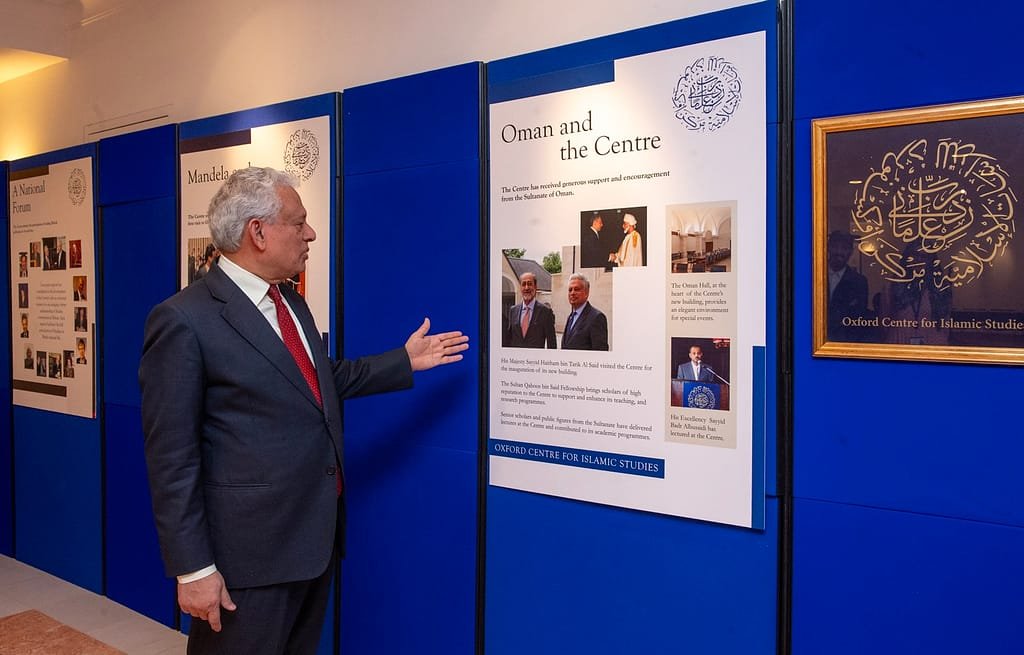
Per the government announcement, The State visit of His Majesty Sultan Haitham bin Tarik to the United Kingdom, marking the first such visit since 1982, reflects the strength of the longstanding relationship between the two countries (fm.gov.om). This enduring partnership, described as “deep, historic and enduring,” dates back to a Treaty signed in 1798. The visit underscores a continuous development of diplomatic relations through high-level visits and regular institutional exchanges, particularly through the Oman–UK Joint Working Group, which last met in Muscat in September 2026. This sustained engagement is intended to positively impact the future of bilateral cooperation.

Background
The relationship between Oman and the United Kingdom is one of the oldest continuous relationships in the region, rooted in a Treaty signed in 1798 during the reign of Sultan Sultan bin Ahmed Al Busaidi. The strategic maritime role of both countries has facilitated trade and cultural exchange, particularly since Oman’s Renaissance in 1970 and throughout the Renewed Renaissance under His Majesty Sultan Haitham bin Tarik. Previous statements by the Ministry of Foreign Affairs highlight the enduring nature of this friendship (“Oman and the UK: An enduring friendship rooted deep in history,” 17 October 2026).
Analysis
Stakeholder incentives within this relationship are complex. For Oman, the partnership represents a means of safeguarding national sovereignty amidst regional pressures, as articulated by Dr Abdullah Baabood, an academic specialising in Gulf and Middle Eastern affairs. The relationship is neither a conventional alliance nor a simple historical connection, but a deeply rooted partnership. Cooperation spans politics, diplomacy, economics, trade, and defense. The 2019 signing of a Joint Defence Agreement further solidified this commitment. The statement does not address the potential impact of this renewed focus on specific sectors, such as green hydrogen or the Duqm industrial hub.
Implications
The visit’s implications extend beyond bilateral affairs. For policymakers, it suggests a continued prioritization of a strategic partnership in a region marked by evolving geopolitical dynamics. The relationship offers stability within Oman’s foreign policy framework. Should the visit yield further agreements on maritime security, it could bolster Oman’s ability to navigate disruptions to shipping routes. The relationship also has implications for trade and security, particularly given Oman’s strategic location.
Outlook
If the visit yields a commitment to explore cooperation on green hydrogen and renewable energy – areas identified by Dr Imran Al Abri, Head of the Political Science Department at Sultan Qaboos University – this would represent a significant expansion of the partnership’s scope. Should the Joint Working Group continue to meet regularly and address emerging challenges, such as disruptions to maritime trade, this would reinforce the relationship’s resilience. The statement does not address any specific timelines for these potential collaborations.