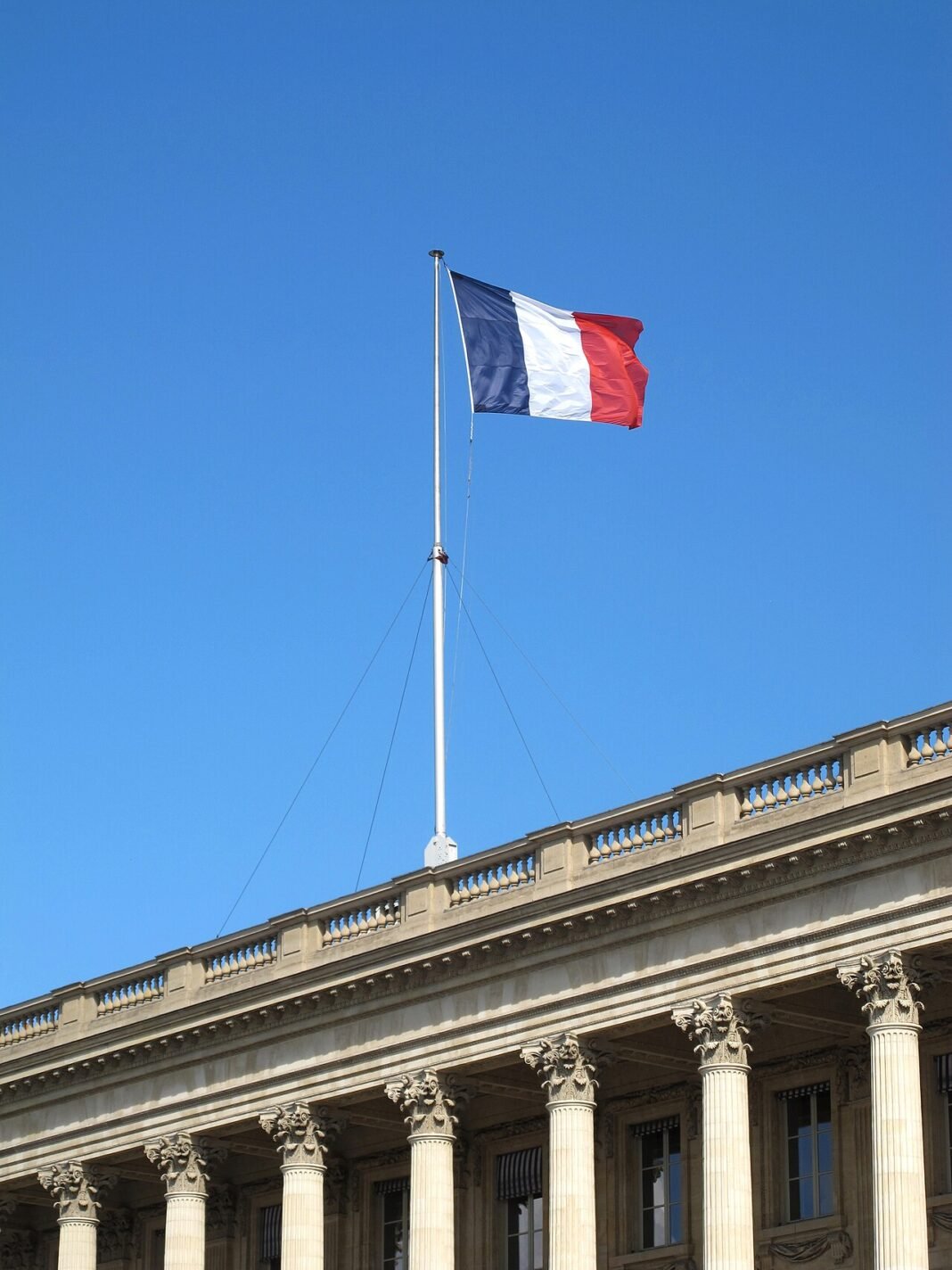
In a published statement ahead of the visit, The statement issued by the Ministry of Foreign Affairs on September 16th, 2026, confirms the conclusion of the first-instance trials within the Kosovo Specialist Chambers concerning Hashim Thaçi et al. This judgment, subject to appeal, signifies the end of the proceedings before the Chambers, excluding cases pertaining to offenses against the administration of justice. The statement emphasizes France’s ongoing support for the Chambers and its dedication to combating impunity. This action is central to France’s position regarding the situation in Kosovo and its support for the country’s independence and institutions.

Background
The Kosovo Specialist Chambers were established to prosecute serious crimes allegedly committed during the period of instability in Kosovo following the end of the military intervention in 1999. These trials, initiated in 2017, have focused on individuals associated with the political leadership of the Kosovo Liberation Army (KLA). The Chambers operate under the jurisdiction of the International Criminal Tribunal for the former Yugoslavia (ICTY), utilizing international justice mechanisms to address allegations of war crimes and crimes against humanity. The statement does not address the specific details of the judgment itself, only its conclusion.
The Thaçi et al. case represents a significant phase in the legal process surrounding events in Kosovo. The judgment, while concluding the initial trials, leaves open the possibility of further legal action regarding offenses related to the administration of justice within the Chambers. This indicates the ongoing commitment to examine potential abuses of power and ensure accountability for serious crimes. The statement does not specify the timeframe for any potential further proceedings.
Analysis
France’s continued support for the Kosovo Specialist Chambers reflects a broader commitment to upholding international law and the rule of law. This stance aligns with France’s long-standing position on the issue of impunity for serious crimes committed during the conflicts in the Balkans. The decision to reiterate support for the Chambers underscores France’s dedication to the stability and development of Kosovo. The statement does not elaborate on the motivations behind this continued support.
The judgment’s exclusion of cases relating to offenses against the administration of justice introduces a nuanced element to the situation. This suggests a recognition that the potential for abuse of judicial processes within the Chambers requires continued scrutiny. The statement does not detail the nature of these potential offenses or the extent of their investigation. This leaves open the possibility of further investigations and legal challenges.
Implications
The conclusion of the first-instance trials has implications for the broader political landscape in Kosovo. It represents a step towards consolidating the country’s institutions and demonstrating a commitment to accountability. The judgment, if upheld, could contribute to fostering a climate of stability and attracting international investment. The statement does not address the potential impact on Kosovo’s political future.
From a regional perspective, the judgment reinforces the importance of international cooperation in addressing war crimes and crimes against humanity. It demonstrates a commitment to upholding justice and deterring future abuses. Should the judgment be upheld, it could serve as a model for other transitional justice processes in post-conflict settings. The statement does not comment on regional reactions to the judgment.
Outlook
Should the appeal process result in a reversal of the judgment, it would necessitate a re-evaluation of France’s position and potentially require renewed engagement with Kosovo’s political leadership. If the appeal is successful, the statement does not outline any changes in French policy. This would likely involve a reassessment of the legal framework governing the Chambers and a renewed emphasis on ensuring due process.
If the appeal is unsuccessful, France would likely continue its support for the Chambers, focusing on monitoring their operations and promoting the rule of law. This would require ongoing dialogue with Kosovo’s government and international partners. The statement does not detail any contingency plans in the event of an unfavorable outcome.
Conclusion
The conclusion of the Thaçi et al. case leaves open the question of the long-term impact of international justice mechanisms on the stability and governance of Kosovo. The continued scrutiny of the Chambers, particularly regarding potential offenses against the administration of justice, remains a critical factor in shaping the country’s future.