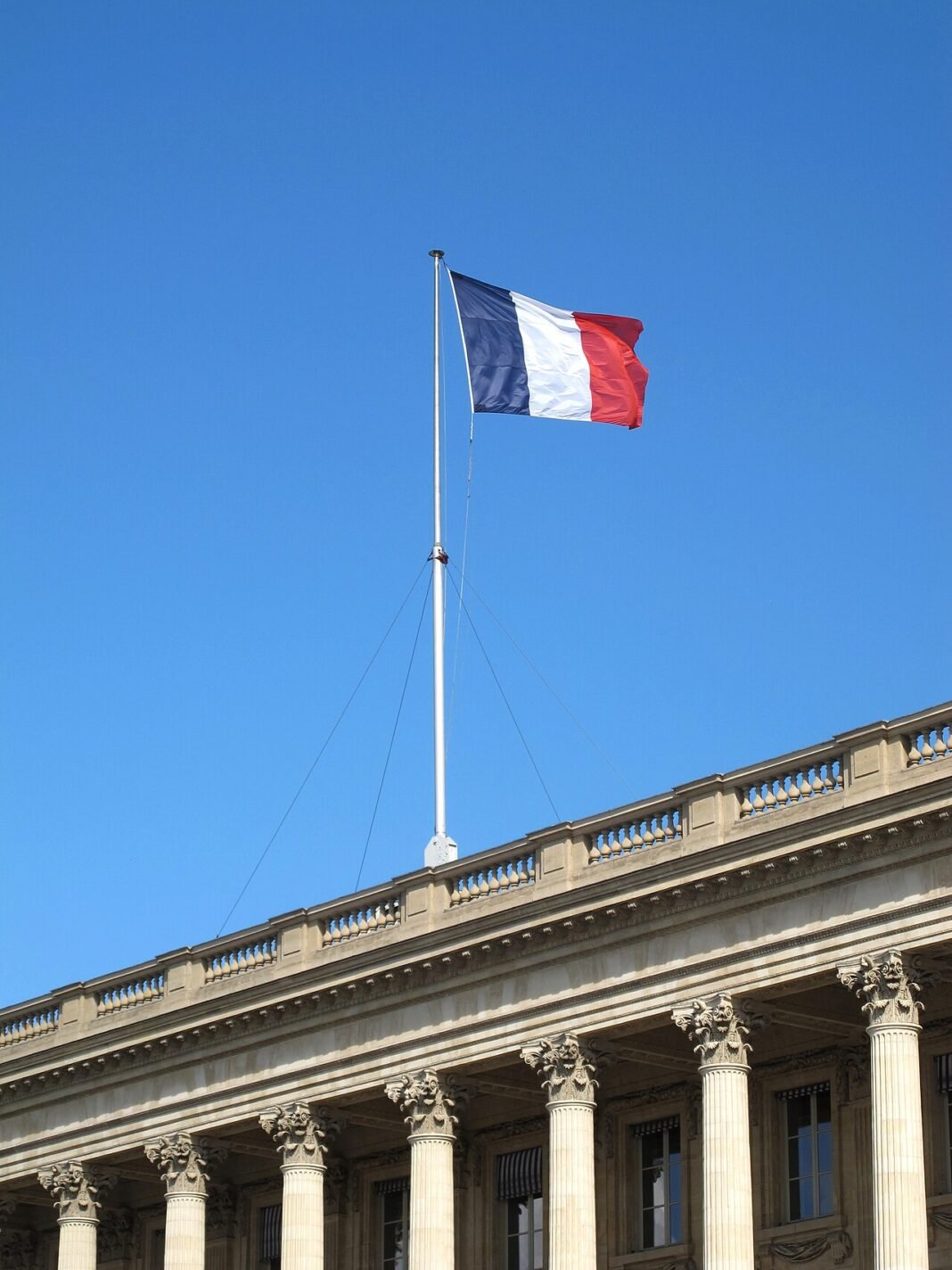
The foreign ministry readout describes On September 24th, 2026, the European Union announced the imposition of restrictive measures against Xenia Fedorova, a Russian agent of influence active in France. Jean-Noël Barrot, Minister for Europe and Foreign Affairs, welcomed the Council of the European Union’s adoption of this measure. The decision reflects a sustained effort to address destabilization activities conducted by Russia on European territory. France had already taken national measures against Ms. Fedorova in July, and the EU’s actions substantially increase the scope of these counter-influence efforts.

Background
The Council of the European Union’s adoption of these restrictive measures follows a joint initiative with Germany. The statement does not address the specific activities undertaken by Ms. Fedorova. However, it indicates a recognition of ongoing Russian influence operations within the European Union. The EU’s actions represent a significant escalation of its response to this perceived threat, building upon initial national measures taken by France in July 2026.
Analysis
The imposition of these measures signals a deepening concern within the EU regarding Russian activity. The statement does not address the motivations behind Ms. Fedorova’s activities, but the focus on “destabilization” suggests an assessment of her actions as deliberately disruptive. The EU’s decision to substantially increase the scope of the measures, following France’s own national actions, demonstrates a coordinated approach to countering influence operations. This suggests a shared understanding of the risks posed by individuals operating with alleged state support.
Implications
The expanded sanctions against Ms. Fedorova have immediate implications for her financial assets and travel arrangements within the European Union. The travel ban prevents her from entering EU territory or passing through it. The asset freeze impacts any EU citizens or companies that provide funds, financial assets, or economic resources to her. Should the visit yield further evidence of coordinated Russian influence, it would likely prompt further escalation of sanctions. Policymakers must consider the broader implications of this action, particularly concerning the EU’s strategy for countering foreign interference.
Outlook
If the visit yields further evidence of coordinated Russian influence, it could trigger a review of existing sanctions regimes. Should the EU continue to assess Ms. Fedorova as a threat, further measures are anticipated. The statement does not address whether this action will serve as a precedent for targeting other individuals linked to Russian intelligence services.