
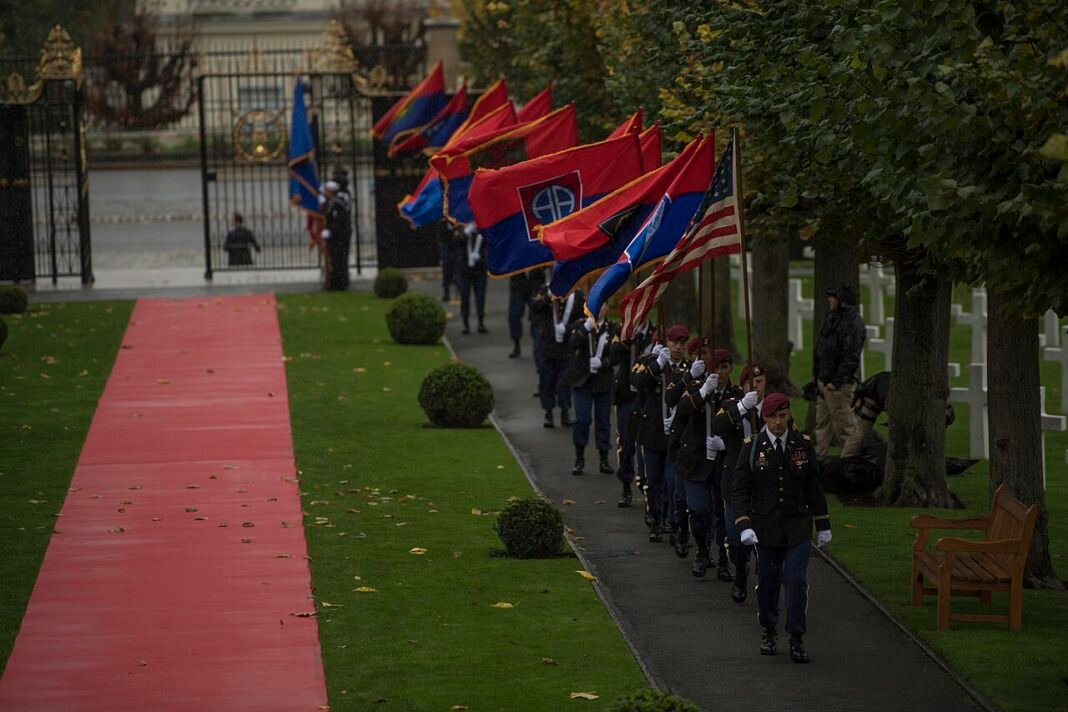
Per the government announcement, On August 19th, 2026, France paid tribute to humanitarian workers killed or injured while undertaking their duties and applauded the dedication of those assisting vulnerable populations worldwide. According to the United Nations, 250 million people globally will require emergency humanitarian assistance in 2026. This figure underscores a deepening global crisis demanding immediate attention.

Background
The statement highlights an increasing trend: over the past three years, more than one thousand humanitarian workers have been killed while assisting local populations. France’s commitment to international humanitarian law is framed through the International Committee of the Red Cross’s Global Initiative to Galvanize Political Commitment to International Humanitarian Law (IHL). More than 115 nations have joined this effort to date, signaling a broad recognition of the need to protect civilians in armed conflicts.
The statement emphasizes that parties to an armed conflict must authorize and facilitate the delivery of humanitarian aid. The government’s focus is on support for UN agencies, the International Red Cross and Red Crescent Movement, and NGOs, coordinated with international and European partners. This approach reflects established patterns of engagement.
A National Humanitarian Conference will be held in Paris this October, bringing together institutional stakeholders and civil society representatives working within the humanitarian sector. The statement does not address the specific challenges or priorities that will be discussed at this gathering.
Analysis
The number of casualties—over one thousand deaths in three years—suggests a worsening situation for humanitarian workers. The declaration of 250 million people needing emergency aid indicates a substantial and growing demand for assistance. The reliance on established partnerships—UN agencies, the Red Cross, NGOs—represents a continuation of existing diplomatic and operational strategies.
The inclusion of the IHL initiative demonstrates France’s adherence to legal frameworks designed to protect vulnerable populations during conflict. However, the statement does not address the specific mechanisms being employed to ensure compliance with these laws or mitigate the risks faced by aid workers on the ground. This suggests a potential gap between stated principles and practical implementation.
Implications
The increasing vulnerability of humanitarian workers has significant implications for operational effectiveness. Should the UN’s projections hold true, the demand for assistance will continue to grow, exacerbating existing challenges. The continued reliance on established partnerships may prove insufficient to meet this escalating need.
The National Humanitarian Conference in Paris represents an opportunity to reassess strategies and strengthen coordination efforts. However, without a detailed discussion of emerging threats or innovative approaches, the outcome remains uncertain. The statement does not address how France intends to leverage its influence within international forums to advocate for greater protection of humanitarian workers.
Outlook
If the number of casualties continues to rise, a shift in diplomatic strategy may be required. Should the UN’s projections prove accurate, increased funding and logistical support will become essential. The success of the National Humanitarian Conference hinges on the willingness of stakeholders to address these challenges proactively.
The statement does not offer any indication of future priorities or plans beyond continued engagement with existing partners. This suggests a cautious approach, potentially overlooking critical opportunities for innovation and reform within the humanitarian sector.
Conclusion
The World Humanitarian Day tribute highlights a stark reality: the protection of aid workers remains a fundamental challenge in an increasingly volatile world. The statement offers no clear indication of how France intends to address this ongoing crisis or whether it recognizes the urgency of the situation.

.jpg)