
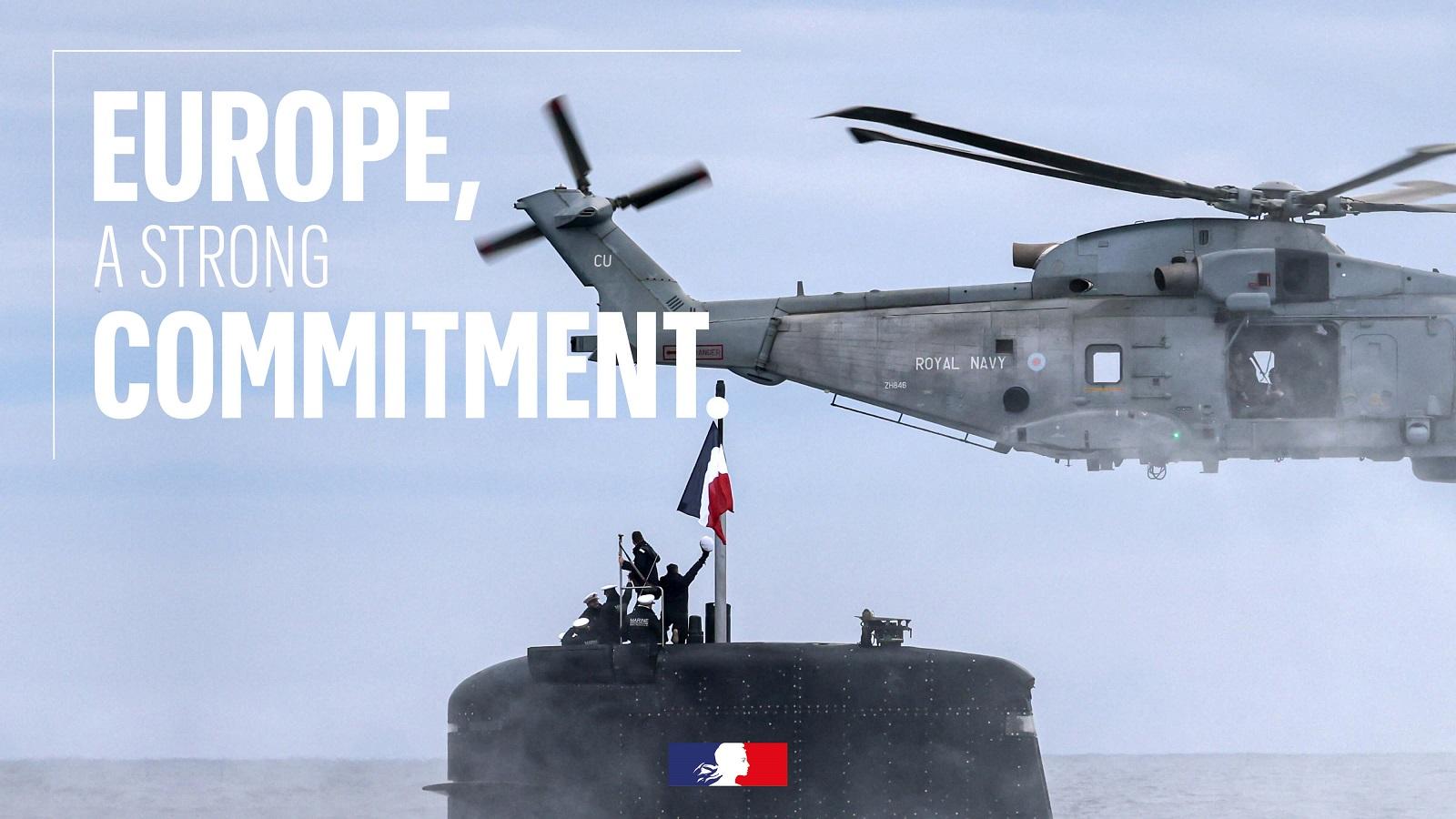
The foreign ministry readout describes The French Ministry of Europe and Foreign Affairs outlined Paris’s agenda at the NATO summit in Ankara, where heads of state from the alliance’s 32 members convened on 7–8 July 2026, as detailed in the official press release. France announced a defence budget of €66.7 billion for 2026, linking the figure to deployments in Estonia, participation in multinational battalions, and new procurement programmes for Sweden, Greece and Croatia. The release frames these steps as a way to “guarantee the security of almost a billion Europeans” by strengthening the European defence pillar and advancing fairer burden‑sharing—a theme the French President has highlighted since 2017. France also noted joint coordination with the United Kingdom on a “Coalition of the Willing” that brings together 35 states to prepare conditions for a just and lasting peace in Ukraine.
Background
The two‑day summit in Ankara was presented as an opportunity to reinforce NATO’s collective defences against “renewed war threats” across Europe. The French President, identified in the release as a leading advocate for a stronger European defence pillar, used the occasion to reiterate calls for fairer burden‑sharing. France’s budgetary commitment of €66.7 billion for 2026 underpins a range of operational and procurement actions.
Operationally, French forces are positioned on NATO’s eastern flank in Estonia and take part in multinational battalions. The French Air and Space Force contributes to NATO Air Policing missions under the alliance’s operational command. On the procurement side, the release lists three contracts: Sweden will acquire defence and intervention frigates (FDI) from Naval Group, while Greece and Croatia will receive Rafale combat aircraft. These choices are presented as steps to modernise European armed forces and deepen defence‑industrial cooperation.
Beyond Europe, the statement reaffirms France’s support for Ukraine. Since 2022, the European Union has earmarked €113 billion for Kyiv. France’s contribution includes Mirage 2000‑5 aircraft, surface‑based air‑defence systems and Caesar guns.
The release also mentions that France and the United Kingdom are coordinating a “Coalition of the Willing” of 35 states, tasked with preparing a “just, lasting peace” framework for Ukraine.
Analysis
France’s budget increase and the highlighted procurement contracts serve multiple incentives. Domestically, the €66.7 billion figure signals a political commitment to national security and reinforces the President’s longstanding call for European defence autonomy. The contracts with Sweden, Greece and Croatia also create export opportunities for French defence firms, supporting the industrial base that underpins future capability development.
Within NATO, the deployment of French troops to Estonia and the continued Air Policing contribution address the alliance’s focus on its eastern flank. By emphasizing these deployments, France positions itself as a reliable contributor to collective defence, which could strengthen its negotiating weight on burden‑sharing discussions.
Internationally, the continuation of French arms deliveries to Ukraine and the coordination of the Coalition of the Willing demonstrate an intent to keep Kyiv within a Western‑led security framework. The statement does not quantify the scale of these contributions, but by linking them to the EU’s €113 billion assistance, it suggests a coordinated, multilateral approach.
The release provides no detail on how the new budget will be allocated across personnel, procurement or research and development, nor does it specify timelines for the Swedish frigate contract or the delivery schedule for the Rafale aircraft. The absence of such information leaves open questions about the immediacy of capability gains and the fiscal sustainability of the announced spending.
Implications
Policymakers in Paris must translate the headline budget figure into concrete programme funding. The procurement contracts with Sweden, Greece and Croatia could set precedents for broader European procurement initiatives, potentially streamlining acquisition processes and reinforcing interoperability. However, without explicit timelines, partner states may face uncertainty about delivery dates and integration planning.
For NATO, France’s explicit emphasis on a stronger European pillar could encourage other members to reassess their own contributions. The statement does not address how members that are currently below any spending benchmarks would respond, leaving a policy gap.
The French deployments to Estonia and participation in Air Policing reinforce deterrence on the alliance’s northeastern perimeter. The statement does not discuss recent Russian activity in the region.
The Coalition of the Willing adds a diplomatic layer to the military and financial support for Ukraine, but the release does not explain the coalition’s specific mandate, membership criteria or timeline, limiting assessment of its potential impact on peace‑building efforts.
Outlook
In the short term, the immediate test for French policy will be the implementation of the procurement contracts announced at Ankara. If the frigate and Rafale deals proceed on schedule, France could demonstrate rapid capability delivery, bolstering its credibility within NATO and among European partners. Delays could lessen the perception of French commitment and weaken the push for deeper European defence integration.
Medium‑term scenarios depend on the interaction between France’s budgetary trajectory and broader alliance dynamics. Should France maintain or increase defence spending beyond the €66.7 billion baseline, and should other European members follow suit, the European defence pillar could become a more autonomous and financially robust component of NATO, enhancing collective deterrence while raising questions about the division of responsibilities between NATO’s Atlantic core and the European bloc.
If the Coalition of the Willing fails to produce a coherent peace framework, or if its 35‑state composition proves difficult to coordinate, the diplomatic effort may stall, leaving Ukraine’s post‑conflict prospects uncertain. The statement does not specify the coalition’s operational roadmap, so the outcome remains contingent on future negotiations.
The statement does not address how the announced measures will interact with other strategic domains such as cyber defence, space security or emerging technologies. This omission indicates that these areas are either outside the current agenda or are being managed separately, a gap that could affect the long‑term resilience of the European defence pillar.
Conclusion
The Ankara summit highlights France’s ambition to reshape NATO burden‑sharing through a larger defence budget, targeted procurements and continued support for Ukraine. However, the release leaves critical implementation details and broader strategic linkages unanswered, prompting observers to watch how Paris converts rhetoric into measurable capability and alliance cohesion.