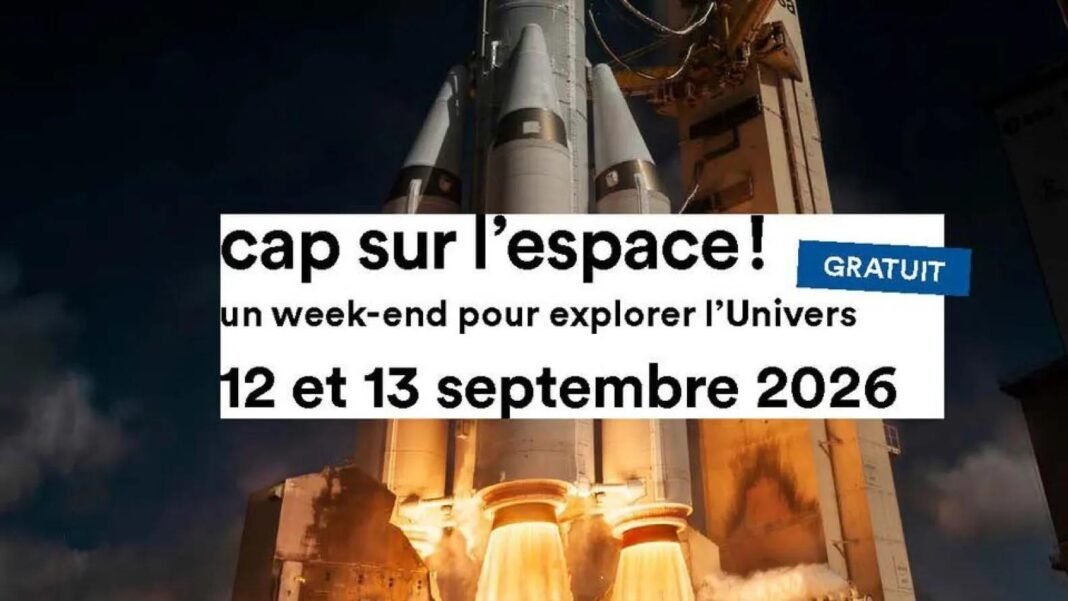
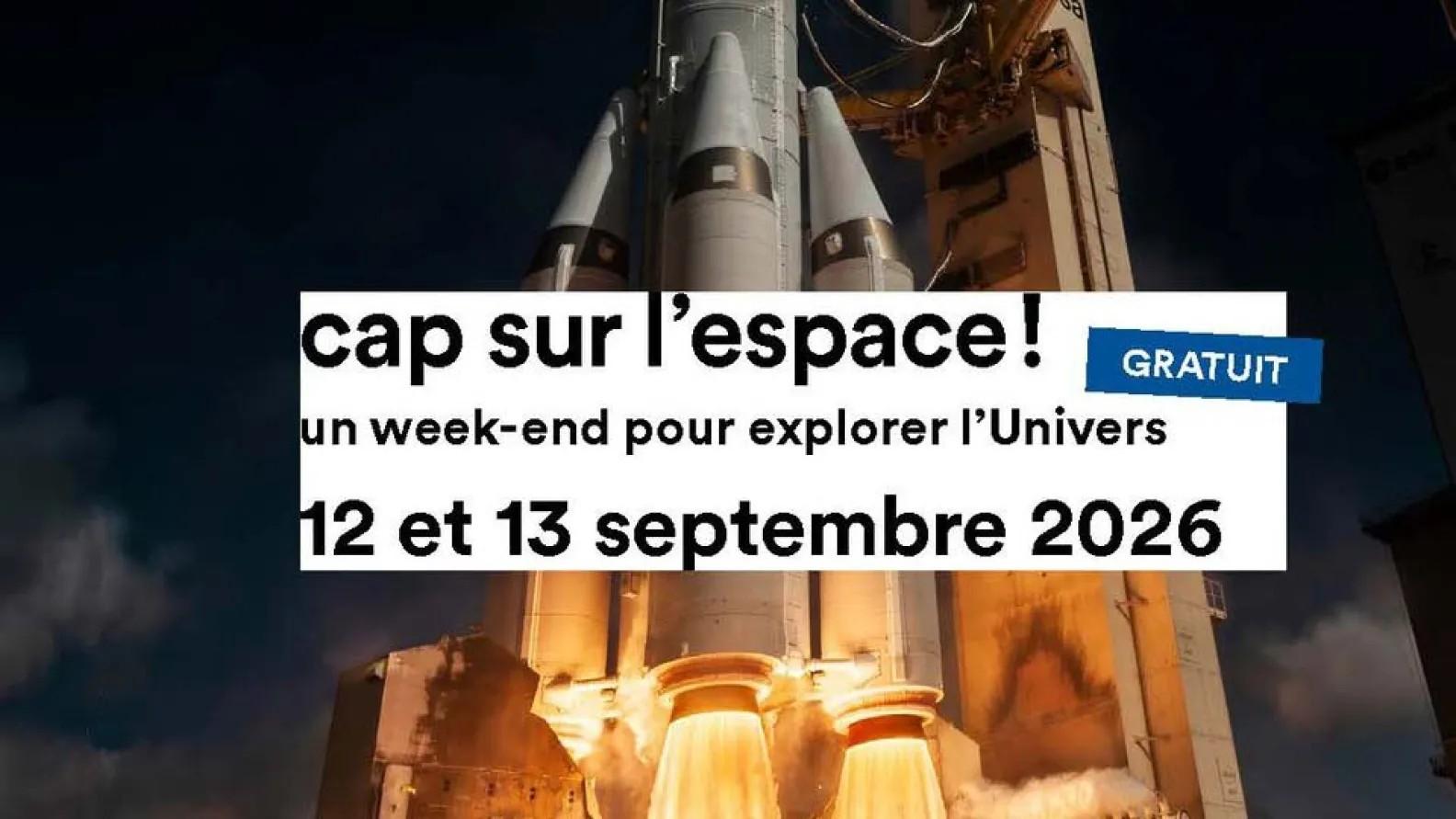
The official readout frames the trip as The French Space Agency (CNES), alongside the European Space Agency (ESA) and Universcience, is hosting a weekend event—entirely free and open to all—at the Cité des Sciences et de l’Industrie in Paris on September 12th and 13th, 2026. This initiative focuses on space exploration, discovery and adventure, offering attendees the chance to examine models of CNES and ESA satellites, rovers and probes alongside virtual reality experiences.
Background
The event’s organization is linked to the International Space Summit. The press release details a weekend dedicated to exploring space through exhibitions and interactive elements. It highlights the involvement of key European space agencies—CNES and ESA—along with Universcience, a French science museum. The event’s purpose is to promote awareness of current and future space technologies within the context of EU-funded programmes.
Analysis
The core of this initiative appears to be outreach; connecting public interest in space exploration with tangible technological developments. Stakeholders—CNES, ESA, and Universcience—benefit from increased public engagement with European space programs. The inclusion of virtual reality experiences suggests a deliberate strategy to translate complex scientific concepts into accessible formats. A key element is the focus on educational opportunities for young people, addressing potential future talent within the sector. This approach seeks to demonstrate how space technologies are already impacting daily life through programmes such as Galileo, Copernicus, IRIS² and Space Situational Awareness.
Implications
The event’s success could have implications for public support of continued investment in European space programs. The focus on practical applications—navigation, Earth observation, climate monitoring, telecommunications, and security—demonstrates the relevance of space technology beyond purely scientific pursuits. Furthermore, the inclusion of professional astronauts adds a significant element of prestige and credibility to the programme, potentially inspiring young people to pursue careers in STEM fields. The event’s demonstration of technologies like Space Situational Awareness could also influence policy discussions regarding satellite monitoring and space debris mitigation.
Outlook
Should the visit yield positive engagement metrics—measured by attendance and participant feedback—the agencies may consider expanding similar events to other European cities. If the young people’s workshops are successful in generating interest, CNES and ESA could strengthen their educational outreach programs. Should the event successfully integrate commercial technologies such as those showcased within the ‘Argominots’ workshop, it would likely bolster support for private sector involvement in space exploration.
Conclusion
The weekend event at the Cité des Sciences et de l’Industrie represents a targeted effort to foster public interest in European space programmes. The open access nature of the initiative prompts a fundamental question: can such engagement translate into sustained political will for continued investment in future space exploration initiatives?