
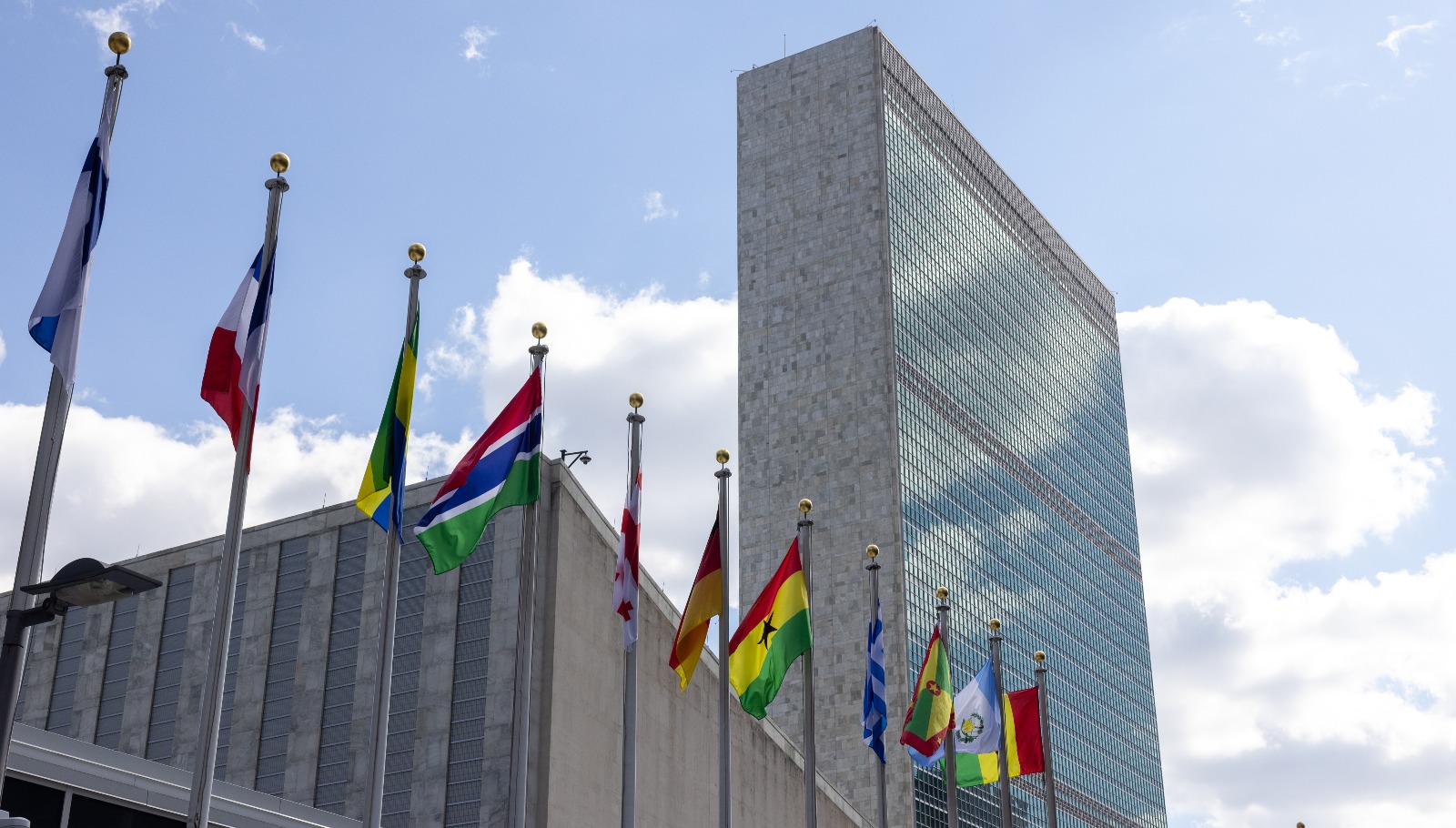
The official readout frames the trip as The UN High-Level Political Forum on Sustainable Development will convene in New York from July 7th to 15th, 2026, with Finland’s delegation led by State Secretary Mika Nykänen and Sari Multala, Minister of Climate and the Environment. The purpose of this annual meeting is to assess global advancement toward the 2030 Agenda for Sustainable Development; however, current projections indicate that just over one third of the Sustainable Development Goals (SDGs) are on track or making moderate progress. This suggests a significant gap remains between stated ambition and actual outcomes, prompting a strategic recalibration in Finland’s approach to multilateral engagement.
Background
The HLPF reviews progress across twelve SDGs annually. The 2026 forum’s theme – ‘Transformative, equitable, innovative and coordinated actions for the 2030 Agenda for Sustainable Development and its Sustainable Development Goals for a sustainable future for all’ – underscores the urgency of accelerating momentum. Specifically, Finland’s delegation will conduct in-depth reviews of clean water and sanitation (SDG 6), clean and affordable energy (SDG 7), sustainable industrialisation, innovation and infrastructure (SDG 9), sustainable cities and human settlements (SDG 11), and global partnership and cooperation (SDG 17). The statement does not address the underlying causes of this slow progress – primarily structural issues within international governance and funding mechanisms.
Analysis
Finland’s emphasis on water-related themes reflects a strategic prioritization aligned with its long-standing commitment to sustainable development. This focus is coupled with an active effort to co-chair the ‘Water for Cooperation’ dialogue at the UN Water Conference in December 2026, alongside Zambia. The delegation’s composition – encompassing representatives from the Ministry for Foreign Affairs, the Ministry of Agriculture and Forestry, the Ministry of the Environment, and the Prime Minister’s Office – signals a coordinated approach to advocating for stronger political commitment within the international system. Should the visit yield new collaborative opportunities, it would represent a notable shift in Finland’s engagement with multilateral institutions.
Implications
Finland’s participation in the HLPF has implications for regional stability and trade relations. The renewed emphasis on transboundary water cooperation could bolster existing partnerships within the Nordic region, particularly concerning shared river basins. Furthermore, Finland’s active involvement in shaping discussions around SDG 17 – global partnership and cooperation – is likely to influence its diplomatic strategy regarding development assistance and international financing mechanisms. The HLPF provides a platform to demonstrate Finnish solutions that support implementation of these goals.
Outlook
If the visit to New York yields agreements on increased funding for SDG 6, Finland could leverage this momentum in its ongoing discussions with the African Development Bank and other key development partners – as evidenced by Dr. Sidi Ould Tah’s planned visit to Helsinki in June 2026. Should Finland successfully secure commitments to advance transboundary water cooperation through the ‘Water for Cooperation’ dialogue, it would represent a tangible step towards addressing critical resource management challenges globally.
Conclusion
The Finnish delegation’s participation in the HLPF highlights a strategic focus on accelerating progress toward the 2030 Agenda. However, the statement does not explicitly address whether Finland intends to advocate for fundamental reforms within international governance structures necessary to overcome the systemic barriers hindering SDG achievement.