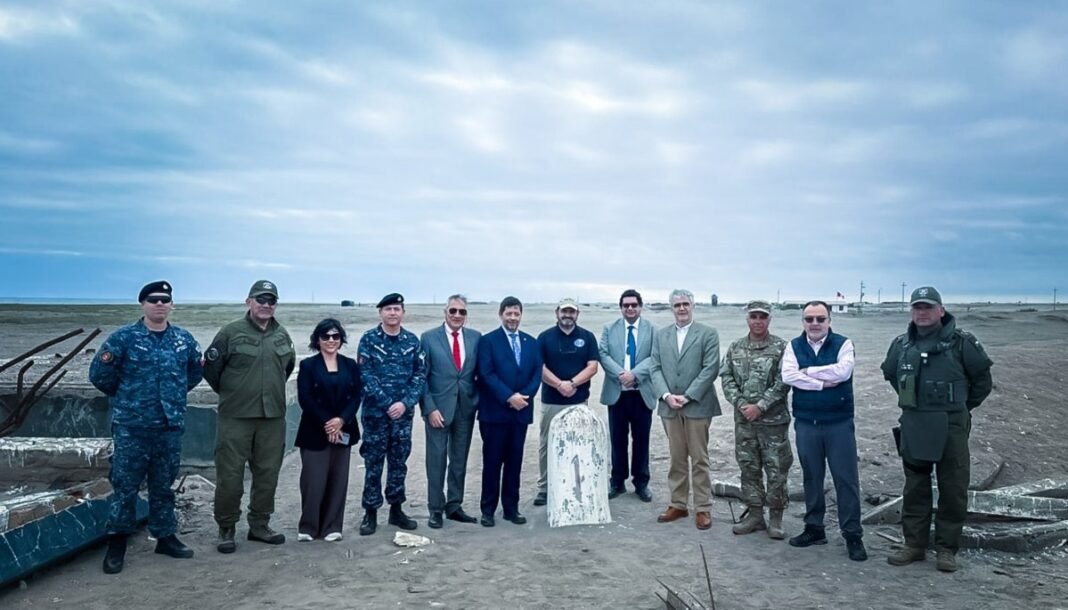
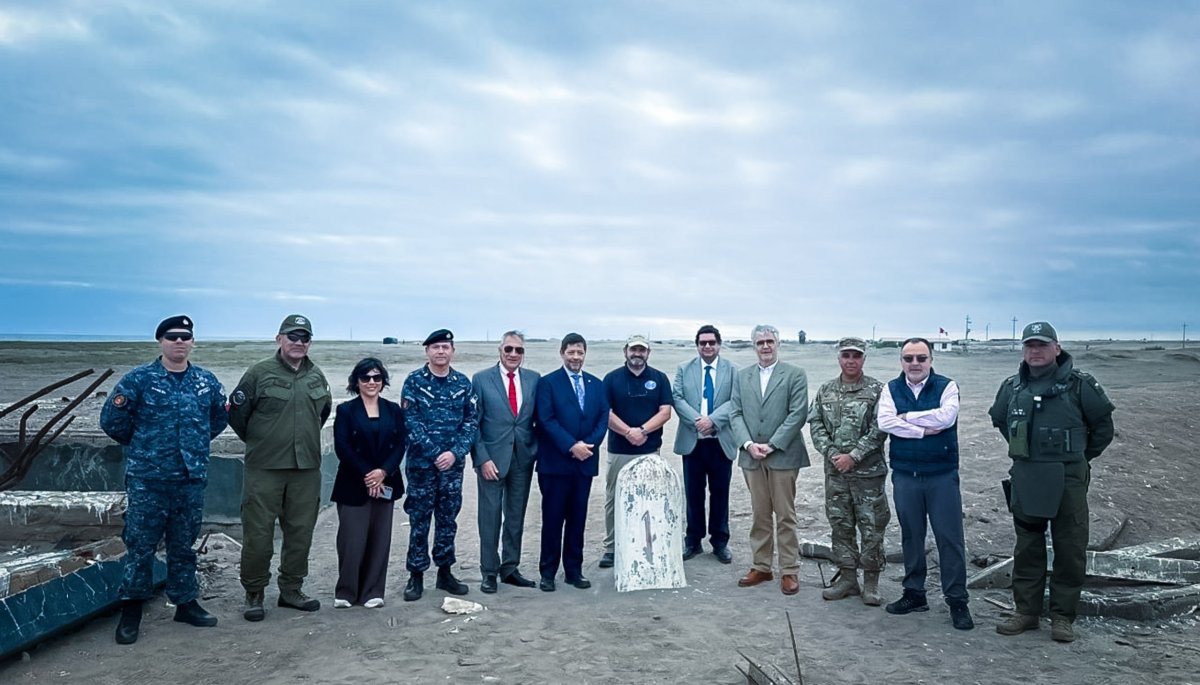
The official readout frames the trip as On Friday, August 28th, 2026, Subsecretario (s) Frank Tressler led a delegation from the Ministry of Foreign Relations through the Arica and Parinacota region, focusing on infrastructure and border management. The visit, detailed in a press release, underscored a strategic prioritization of regional integration within Chile’s northern frontier.
Background
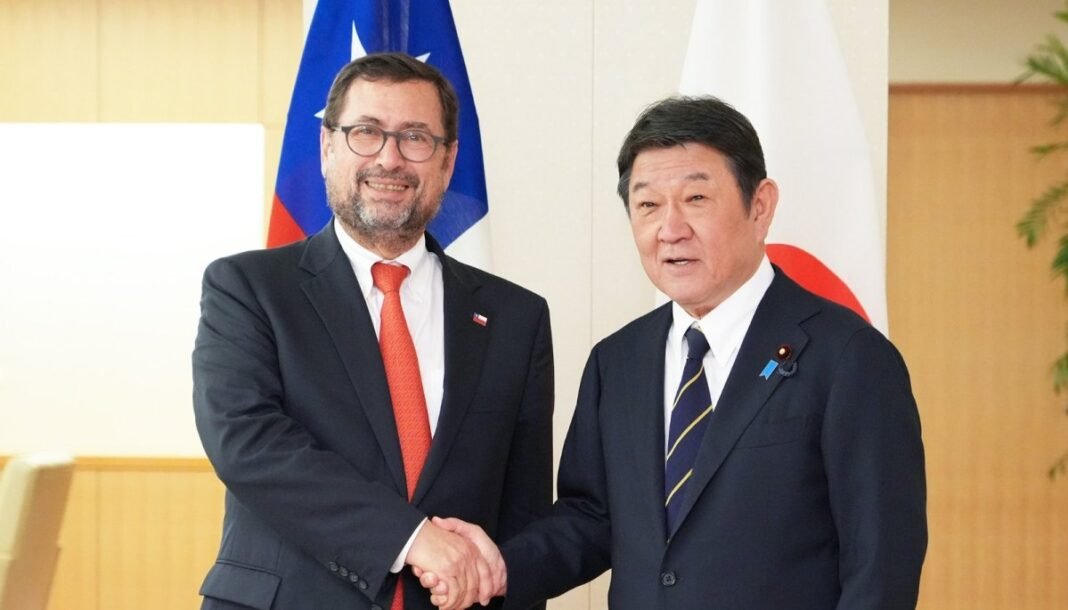
The Ministry of Foreign Relations, under Minister Patricio Torres, has been coordinating efforts with regional and local authorities to address challenges related to border infrastructure and connectivity. The visit to Arica followed recent engagement with Japanese counterparts, as outlined in a separate press release regarding a meeting with the Mitsubishi executive, signaling a broader diplomatic strategy. Prior discussions surrounding the Ferrocarril Arica–La Paz – a historic route connecting Chile and Bolivia – have consistently highlighted the need for improved integration across the shared border. The statement does not address the specific trade disputes or security concerns that frequently arise in this region.
Analysis
The focus on infrastructure – specifically the Puerto de Arica, YPFB facilities, the Hito N° 1 marker, and the border ditch – suggests a recognition of tangible deficits impacting regional commerce and logistics. Strengthening connectivity is presented as a key objective, likely intended to mitigate friction stemming from limited transport options across the border. The delegation’s engagement with local authorities indicates an attempt to foster collaborative solutions to challenges related to border management. This prioritisation reflects a calculated move by the Chilean government to bolster its influence within the Andean Pact and solidify economic ties with Bolivia and Peru. However, the press release does not address potential disagreements regarding resource access or territorial disputes that could complicate these efforts.
Implications
The visit carries implications for regional stability given the ongoing tensions surrounding water rights and cross-border trade flows. Should the Ministry of Foreign Relations successfully strengthen infrastructure links, it could potentially reduce the incidence of smuggling and illicit activities along the border. The renewed emphasis on connectivity also signals a desire to counter potential influence from external actors seeking to exploit regional vulnerabilities. The prioritization of this region – particularly in light of the recent engagement with Japan – suggests an effort to diversify Chile’s diplomatic portfolio and strengthen its position within broader geopolitical alignments. The statement does not address the impact of these developments on trade agreements or security protocols.
Outlook
If the visit yields concrete agreements regarding infrastructure investment and operational improvements, it could provide a foundation for enhanced regional cooperation. Should the Ministry of Foreign Relations successfully coordinate efforts with Bolivia and Peru, it would represent a significant step toward greater economic integration within the region. However, given the lack of detail regarding potential obstacles – such as differing regulatory frameworks or unresolved territorial disputes – achieving this outcome remains uncertain. The statement does not address whether these initiatives will lead to revised trade agreements or enhanced security protocols.