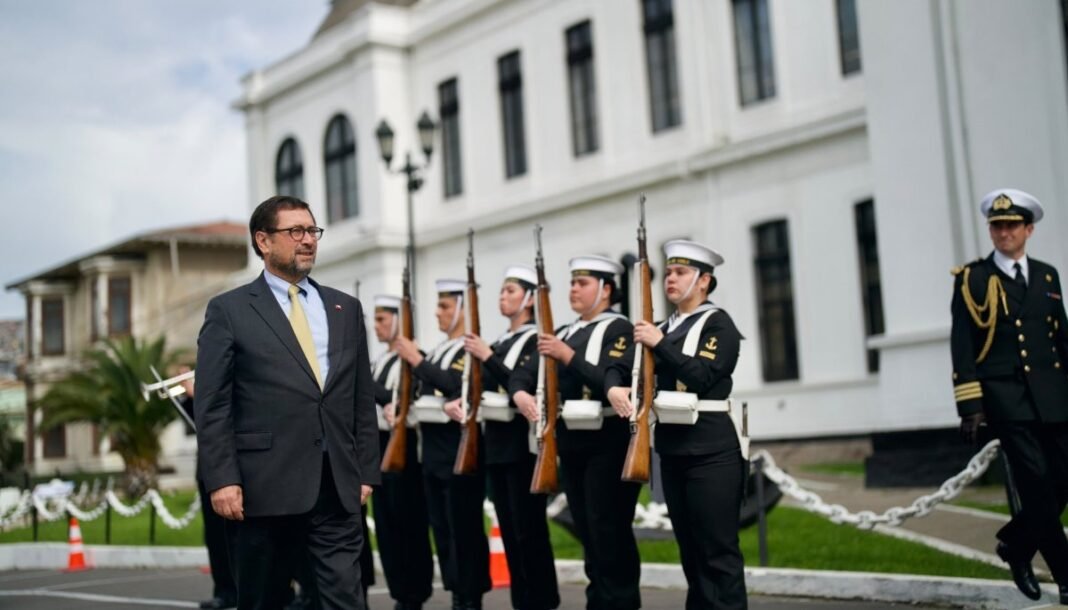
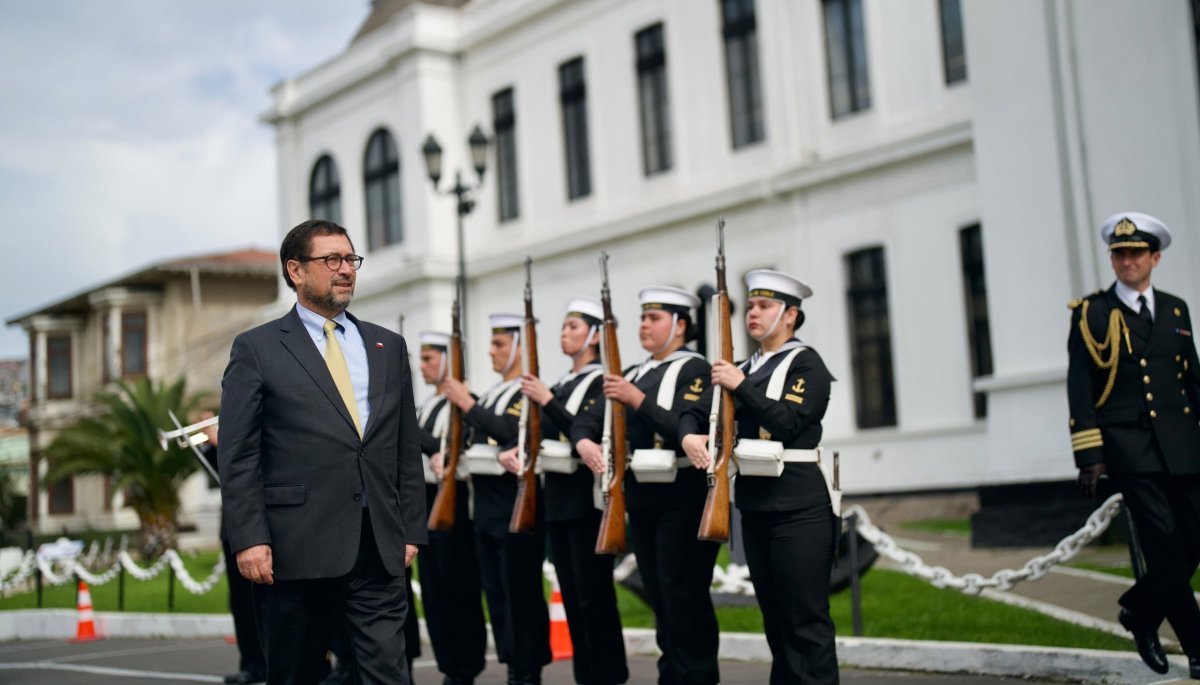
The foreign ministry readout describes Valparaíso will become the first Latin American city to host a multilateral organization with universal membership, a milestone for the region and the nation, according to Minister of Foreign Affairs Francisco Pérez Mackenna. The announcement, made during a ceremony commemorating the 55th anniversary of the National Oceanic Committee (CONA), signals Chile’s intention to lead the global effort in administering the High Seas Biodiversity Treaty (BBNJ) – a critical agreement for managing marine resources in international waters. This commitment, the Minister stated, is rooted in a longstanding relationship between the port city and the sea, and builds upon Chile’s established expertise in international maritime law.
Background
The BBNJ Agreement, formally known as the Treaty under the United Nations Convention on the Law of the Sea, was adopted in 2022. Chile was the second country in the world to ratify the treaty. The agreement establishes a framework for conserving and sustainably using marine resources in areas beyond national jurisdiction, including the deep sea. The statement does not mention the specific legal framework of the UNCLOS treaty. The First Conference of the Parties to the BBNJ Agreement will take place in New York in January 2027, where the location of the Executive Secretariat will be determined. Multiple countries, including those in the region and globally, have already expressed support for Chile’s candidacy.
Analysis
Chile’s ambition to host the BBNJ Secretariat reflects a calculated investment in its maritime future. The decision to select Valparaíso, a historic port city with deep ties to the Pacific Ocean, signals a recognition of Chile’s substantial marine resources and its established position as a leading fishing nation. The statement does not address Chile’s specific economic reliance on the fishing industry. The candidacy is presented as a means of bolstering Chile’s influence within the international legal framework governing the oceans, aligning with the nation’s broader foreign policy objectives. The support from other countries indicates a recognition of Chile’s capabilities and its commitment to upholding international norms. This move is likely driven by a desire to shape the governance of the high seas, ensuring that its interests are represented in the decision-making process.
Implications
The Chilean bid carries significant implications for regional stability and global trade. A successful bid to host the BBNJ Secretariat would elevate Chile’s standing as a key player in international ocean governance, potentially influencing the development of regulations impacting global fisheries and deep-sea resource exploitation. Should the visit yield a positive outcome, it could strengthen Chile’s diplomatic relations with a broad range of nations, particularly those with shared interests in marine conservation and sustainable development. The agreement, if implemented as described, could have a positive impact on the resilience of economies reliant on marine resources, through conservation and sustainable use.
Outlook
If multiple countries continue to support Chile’s candidacy, the nation is likely to secure the hosting rights at the First Conference of the Parties in New York. Should the visit yield a positive outcome, Chile will assume a prominent role in shaping the operational framework of the BBNJ Agreement, influencing its implementation and enforcement. The statement does not address potential challenges, such as securing the necessary funding or navigating potential disagreements among the parties to the treaty.