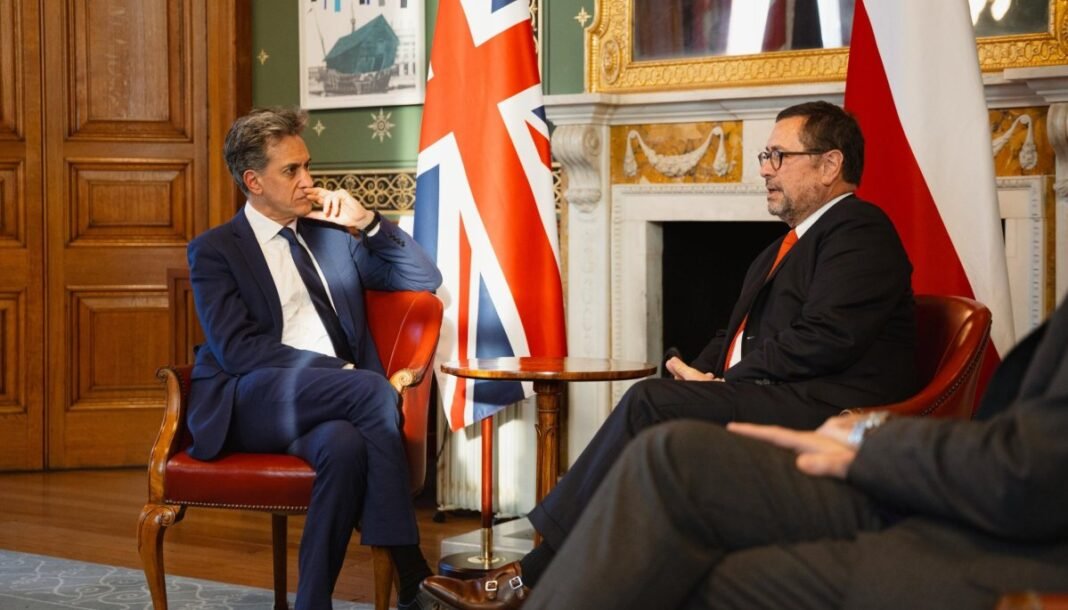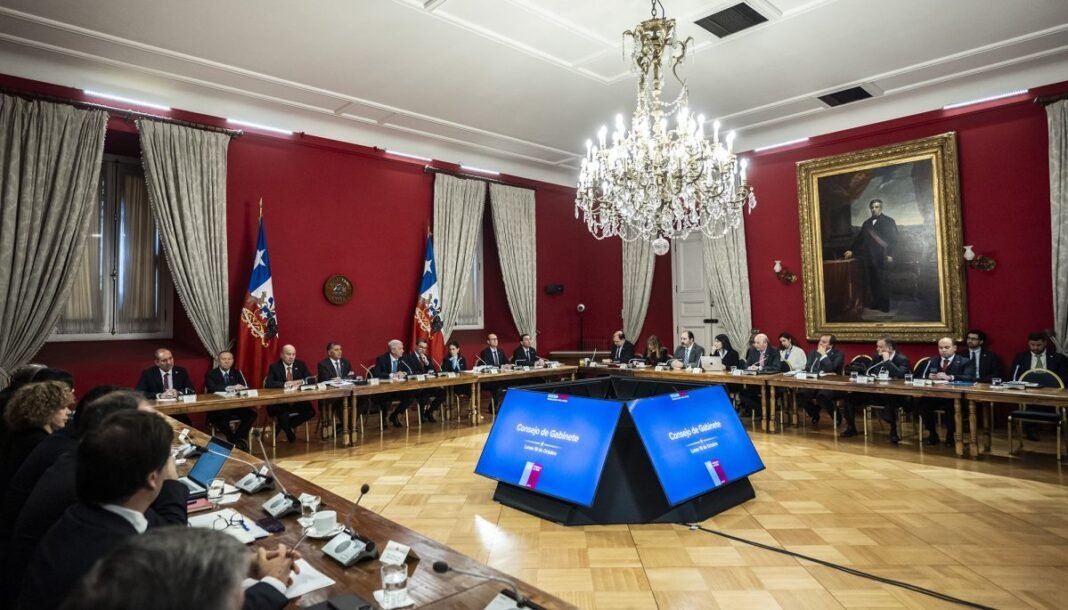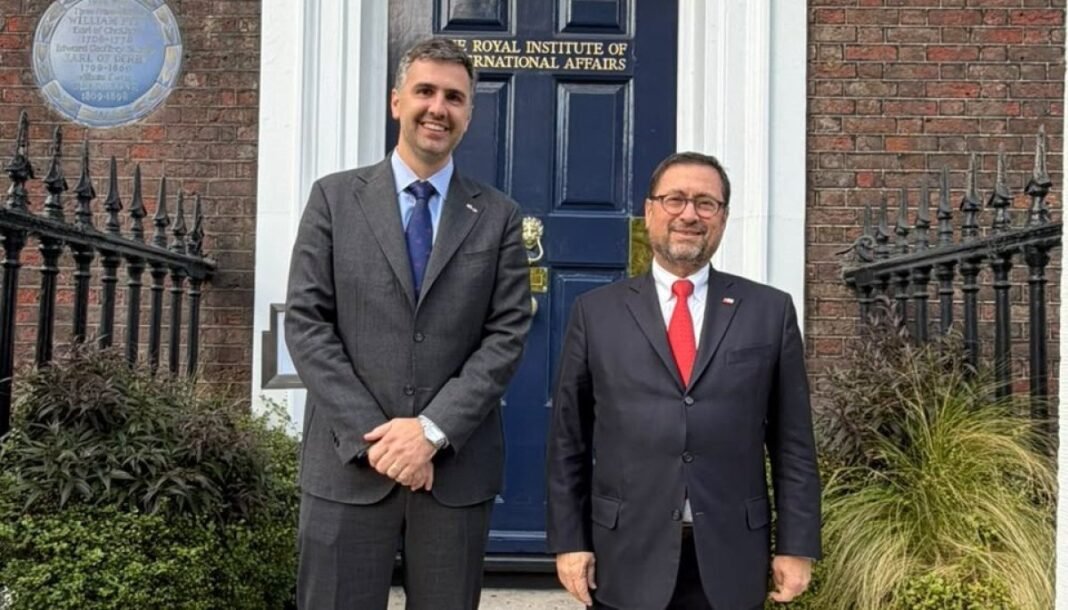
In a published statement ahead of the visit, London, October 19, 2026 – Foreign Minister Francisco Pérez Mackenna participated this Monday in a roundtable discussion in London regarding the current global geopolitical landscape, at the prestigious think tank Chatham House, one of the world’s most influential institutions in international relations and foreign policy. This meeting, attended by Chilean Ambassador to the United Kingdom, Diego Paulsen, represents the first official visit of the minister to Europe. The statement does not address the specific topics covered in the roundtable, but it does highlight a key objective: attracting foreign investment.
Background
The roundtable discussion took place at Chatham House, a long-standing institution known for its analysis of international affairs. The ministry’s press release does not specify the exact participants or the agenda of the event beyond the broad topic of the global geopolitical landscape. Prior to this meeting, in March the ministry said it was prioritizing strengthening bilateral relations with key partners in Europe. The press release notes that this visit, alongside a subsequent trip to Brussels, is focused on attracting investment that generates employment, opens markets for Chilean products, and strengthens alliances in security. The statement does not address the specific sectors targeted for investment.
Analysis
The minister’s visit to London and Brussels signals a deliberate effort to diversify Chile’s engagement beyond traditional trade partnerships. The focus on investment, as outlined in the press release, reflects a strategic shift toward leveraging European capital and expertise. This approach aligns with the broader goal of bolstering Chile’s economy, particularly in sectors where the country lacks significant domestic capacity. The participation of the ambassador suggests a coordinated diplomatic effort to advance these objectives. The inclusion of security as a pillar of the foreign policy strategy indicates a recognition of emerging global challenges and a desire to collaborate with European partners on matters of defense and security. The press release does not mention any specific sectors of interest for investment, nor does it detail the nature of the security alliances being pursued.
Implications
This visit carries several implications for Chile’s foreign policy. Firstly, it demonstrates a willingness to engage more actively with Europe, a region previously focused on relations with the United States and Latin America. Secondly, the emphasis on investment could reshape Chile’s economic strategy, potentially opening new avenues for growth and diversification. Should the visit yield positive results in attracting investment, it could significantly impact Chile’s economic outlook. The statement does not address the potential implications for regional stability, particularly in light of ongoing geopolitical tensions. The focus on strengthening alliances in security could also have broader implications for Chile’s role in international security forums.
Outlook
If the visit to London and Brussels yields significant commitments regarding investment, Chile will likely pursue further diplomatic engagement with European nations. Should the ministry successfully negotiate agreements to attract foreign capital, this would represent a considerable step forward in diversifying the country’s economy. If the discussions concerning security alliances progress as planned, Chile could find itself playing a more active role in addressing global security challenges, contingent on securing the necessary political and logistical support. The statement does not address the potential risks associated with these efforts, such as geopolitical instability or changes in international relations.
Conclusion
The minister’s European tour underscores Chile’s ambition to reshape its foreign policy, but the success of this strategy hinges on tangible outcomes. The question remains: will these diplomatic efforts translate into concrete investments and security partnerships, or will they remain primarily symbolic gestures?
Sources & Further Reading
- Official press release
- Foreign ministry source
- Lunes 19 de octubre de 2026 Canciller Pérez Mackenna se reúne en Londres con el ministro de Relaciones Exteriores de Reino Unido (Unknown Da)
- Lunes 5 de octubre de 2026 Ministro Pérez Mackenna se reúne con Instituto Libertad y aborda principales temas de la agenda de política exterior (Unknown Da)