
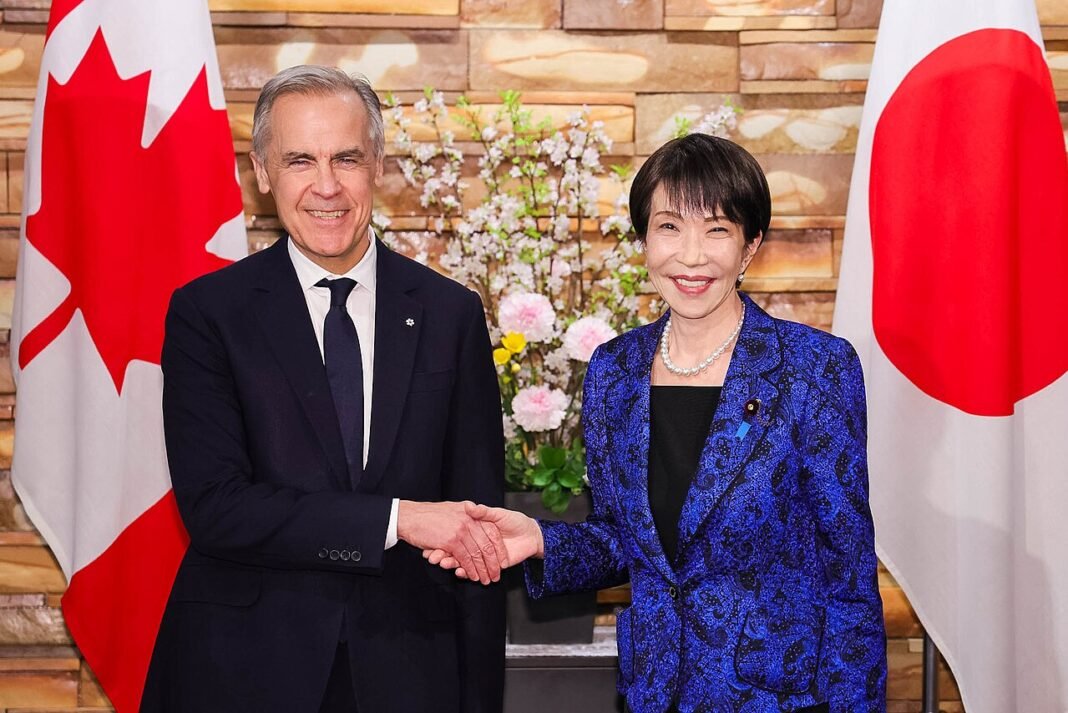

In a published statement ahead of the visit, Canada announced today the formal launch of “Diplomats for Equality,” an initiative uniting Canadian diplomatic missions with partner nations to bolster support for Two-Spirit, lesbian, gay, bisexual, transgender, queer, intersex, and all other sex- and gender-diverse persons. The statement does not mention any specific countries involved beyond Canada’s existing diplomatic partnerships. The program’s stated goal is “to express solidarity and support,” the release clarifies. This move follows ongoing criticism of Canada’s human rights record regarding LGBTQ+ issues, particularly concerning access to healthcare and protections against discrimination in several nations where Canadian diplomats operate. The initiative centers on a shared commitment to advocate for inclusive policies and challenge discriminatory practices. The statement does not detail any specific mandates or operational procedures for the participating diplomatic missions. It simply asserts that these missions will “work together” to advance equality. This suggests a primarily symbolic gesture, reflecting a shift in messaging from previous statements regarding human rights advocacy.

.jpg)
Context
The creation of “Diplomats for Equality” represents a formalized approach to Canada’s long-standing rhetoric on LGBTQ+ rights. The statement does not address the specific scope of this commitment, nor does it outline any measurable outcomes or mechanisms for accountability. It is unclear whether this initiative will translate into concrete policy changes in countries where Canadian diplomats are stationed. The release highlights an ongoing concern regarding systemic discrimination faced by LGBTQ+ communities globally, particularly within nations with less robust protections for diverse sexual and gender identities. This suggests a strategic effort to demonstrate leadership on international human rights issues, although the limited details raise questions about the program’s potential impact.
What to Watch
Should the visit yield further commitments from partner nations regarding LGBTQ+ protections, it will be crucial to assess whether these pledges translate into tangible action. If implemented as described, the “Diplomats for Equality” program could serve as a platform to pressure governments with poor human rights records. The statement does not mention any specific criteria for evaluating the success of this initiative. It remains to be seen if this new diplomatic effort will meaningfully address the systemic challenges faced by LGBTQ+ individuals worldwide. Canada’s commitment is conditional upon continued engagement and collaboration with partner nations, highlighting a reliance on external support rather than internal policy reform.