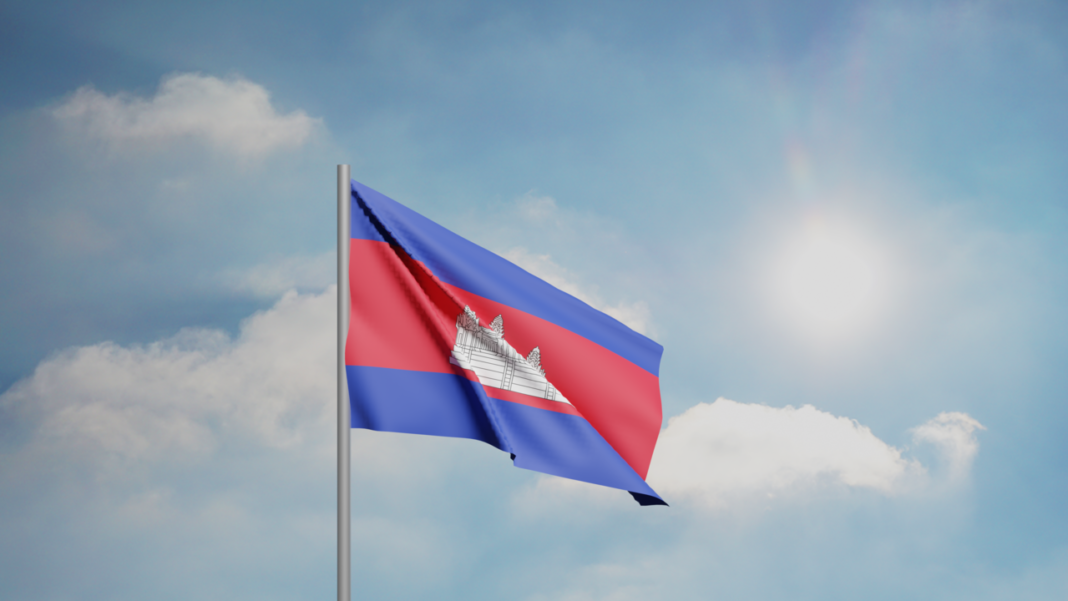
The official readout frames the trip as The official statement, released on August 5th, 2026, outlines a series of meetings conducted by His Excellency Deputy Prime Minister PRAK Sokhonn, Minister of Foreign Affairs and International Cooperation. These engagements included participation in the 3rd Meeting of the Joint Commission for Bilateral Cooperation (JCBC) between Cambodia and Malaysia in Kuala Lumpur, meetings with European Union leaders in Brussels, a courtesy call from the Ambassador of Malaysia to Kingdom of Cambodia, Shaharuddin bin Onn, and a response to media inquiries regarding a meeting with Thailand’s Deputy Prime Minister Sihasak Phuangketkeow in Brunei Darussalam. The statement indicates that this activity occurred on August 5th, 2026. The significance lies in the timing – coinciding with growing international scrutiny of Cambodia’s human rights record and its alignment with China—and the breadth of engagement; a simultaneous pursuit of relationships with Malaysia, the European Union, Thailand, and the United Nations.

Background
The Joint Commission for Bilateral Cooperation (JCBC) represents the primary mechanism for formalizing Cambodia’s relationship with Malaysia. The statement does not specify the agenda of the 3rd JCBC meeting in Kuala Lumpur, nor details any specific agreements reached. Similarly, the engagement with European Union leaders in Brussels is characterized only as “meetings,” without detailing the subject matter or outcomes. The statement also notes a courtesy call from the Malaysian Ambassador and responses to media inquiries regarding the meeting in Brunei Darussalam – again, lacking substantive information. These meetings occurred alongside a separate visit by His Excellency PRAK Sokhonn to receive a courtesy call from a Malaysian business delegation.
Analysis
The activity suggests a deliberate attempt by Phnom Penh to diversify its diplomatic portfolio. The simultaneous engagement with the EU, Malaysia and Thailand signals an effort to mitigate potential risks associated with overly close ties with China. However, the lack of detail surrounding these meetings raises concerns about transparency. This strategy could be intended to leverage economic opportunities while maintaining access to Western funding streams – if implemented as described. The inclusion of a meeting with the UN Secretary-General, António Guterres, is particularly noteworthy given ongoing criticisms concerning Cambodia’s human rights record and its role in regional security matters. The statement does not address concerns regarding potential pressure from international bodies over labor practices or governance issues.
Implications
The diplomatic activity has implications for regional stability, particularly within Southeast Asia. Phnom Penh’s efforts to engage with multiple partners could be interpreted as a calculated move to exert influence in the Mekong region – if implemented as described. The continued pursuit of trade and investment relationships with Malaysia suggests an ongoing reliance on economic incentives. Furthermore, the engagement with the EU necessitates careful navigation, balancing economic interests with political considerations related to human rights and democratic governance. The statement does not address Cambodia’s obligations within ASEAN or its role in addressing maritime security challenges.
Outlook
Should the visit yield any tangible outcomes regarding trade agreements or investment flows with Malaysia, it would represent a positive development for the Cambodian economy. However, if these meetings remain largely symbolic – given the absence of detailed information—the strategic value remains questionable. The continued engagement with the EU will be contingent on Phnom Penh’s willingness to address concerns related to labor standards and human rights, an area where the statement does not address Cambodia’s commitments.
Conclusion
The flurry of meetings conducted by Deputy Prime Minister Sokhonn offers a glimpse into a multifaceted diplomatic strategy. The question remains: will this approach translate into concrete benefits for Cambodia, or merely serve to mask underlying vulnerabilities within the country’s political and economic landscape?