
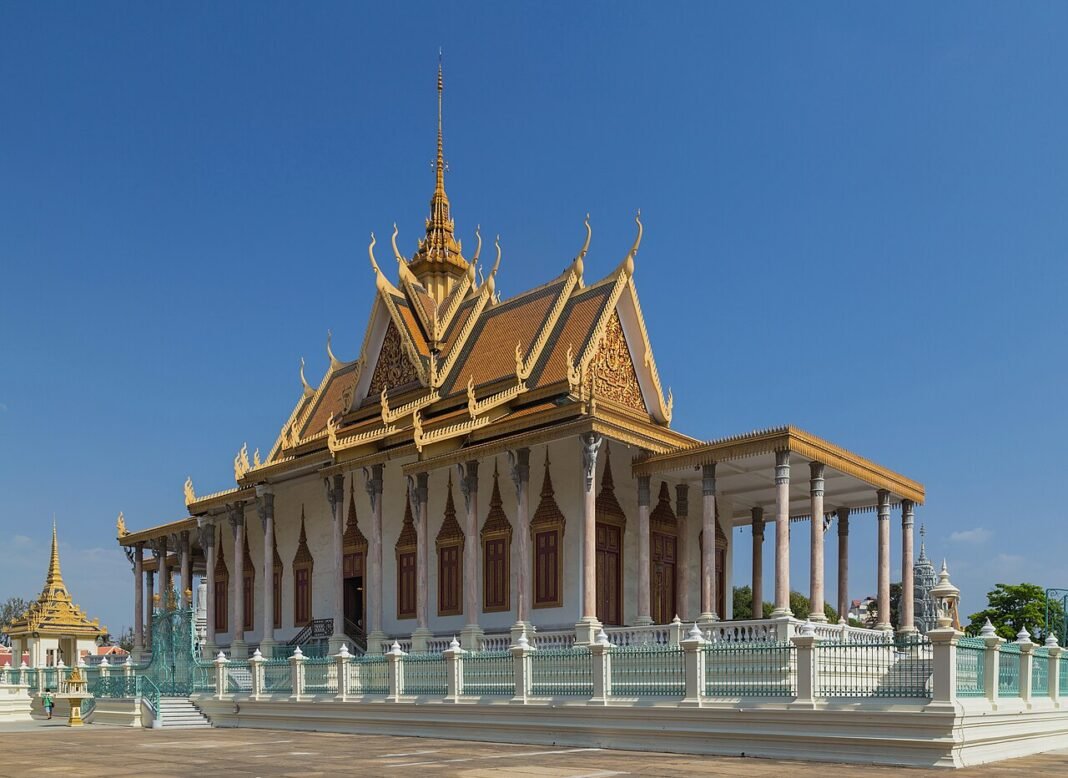
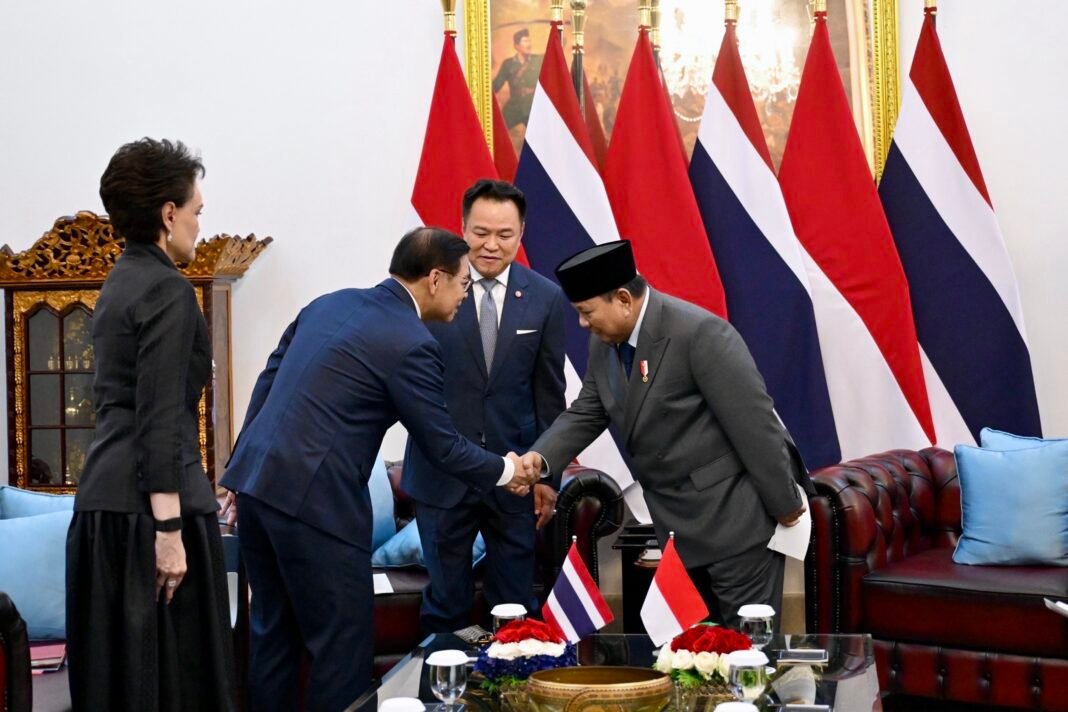
In a published statement ahead of the visit, The Ministry of Foreign Affairs and International Cooperation announced on August 7th, 2026, that Deputy Prime Minister and Minister PRAK Sokhonn received a courtesy call from a Malaysian business delegation and its partners. This event follows similar engagements with European Union leaders in Brussels and a meeting with the Thai Foreign Minister Sihasak Phuangketkeow in Brunei Darussalam on April 27th, 2026. The statement does not mention the specific sectors represented by the Malaysian delegation or details of their discussions. This interaction occurs alongside the release of ASEAN Day messaging from Deputy Prime Minister Sokhonn and ongoing diplomatic efforts with European partners.

Background
The press release frames this meeting within a broader pattern of engagement established through interactions with EU leadership in Brussels. The statement indicates that these meetings are part of an ongoing effort to foster bilateral relationships, referencing outcomes of previous diplomatic exchanges. Further context is provided by the acknowledgement of Deputy Prime Minister Sokhonn’s recent discussions with Thailand’s Foreign Minister Phuangketkeow – a meeting detailed within the same release. These engagements are presented as contributing to the broader ASEAN Day message delivered by Sokhonn.
Analysis
The continued scheduling of these courtesy calls, alongside the stated outcomes with the EU, suggests an attempt to diversify Cambodia’s diplomatic portfolio. The focus on Malaysian business interests represents a potential effort to attract investment and trade. This activity is framed within the context of previous meetings with European Union leaders – this suggests that Cambodia seeks to leverage its position within ASEAN to secure economic benefits from major trading partners. The statement does not address the specific nature of these discussions or any commitments made.
Implications
The consistent engagement with various diplomatic actors carries implications for Phnom Penh’s foreign policy strategy. Should the stated outcomes of these meetings translate into tangible agreements, it would bolster Cambodia’s economy and strengthen its regional ties. The continued focus on European engagement may reflect a desire to counterbalance influence from China – a dynamic that remains largely unstated. These interactions could also be interpreted as an attempt to signal stability and openness to international investment, particularly given ongoing concerns about governance and human rights within the Kingdom.
Outlook
If the visit yields further discussions regarding trade agreements or investment opportunities with Malaysia, it would represent a positive development for Cambodia’s economic outlook. Should the engagement with European partners result in increased technical assistance or access to funding mechanisms – as previously discussed in Brussels – this could provide crucial support for infrastructure projects and sustainable development initiatives. The statement does not address potential risks associated with these diplomatic efforts, such as maintaining consistent alignment across multiple stakeholder groups.
Conclusion
The pattern of courtesy calls and meetings established by Deputy Prime Minister Sokhonn raises a fundamental question: is Phnom Penh prioritizing engagement over strategic consolidation? The release offers no insight into the underlying priorities guiding these diplomatic efforts, leaving policymakers to assess the long-term implications of this dispersed approach.

.jpg)