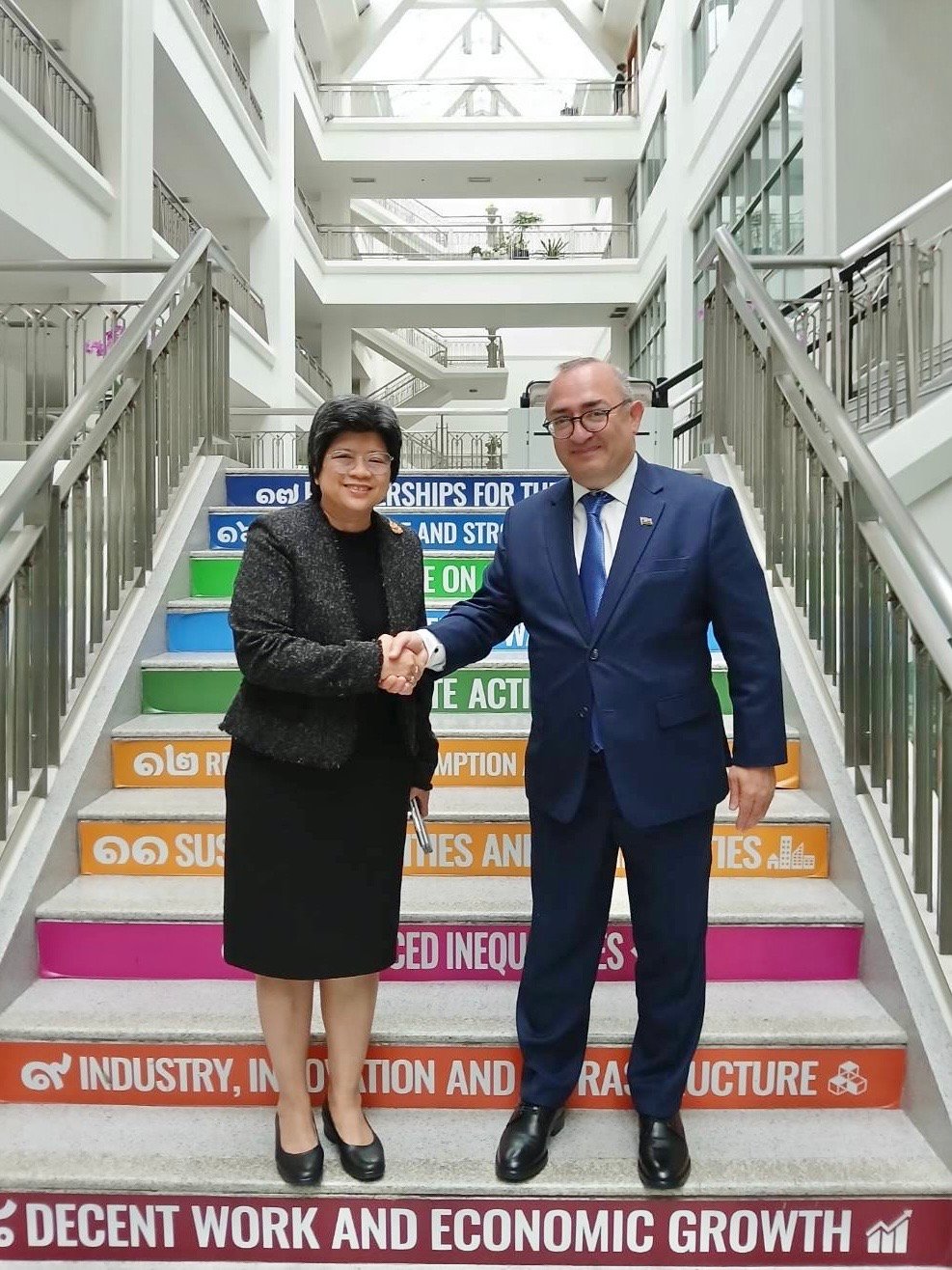
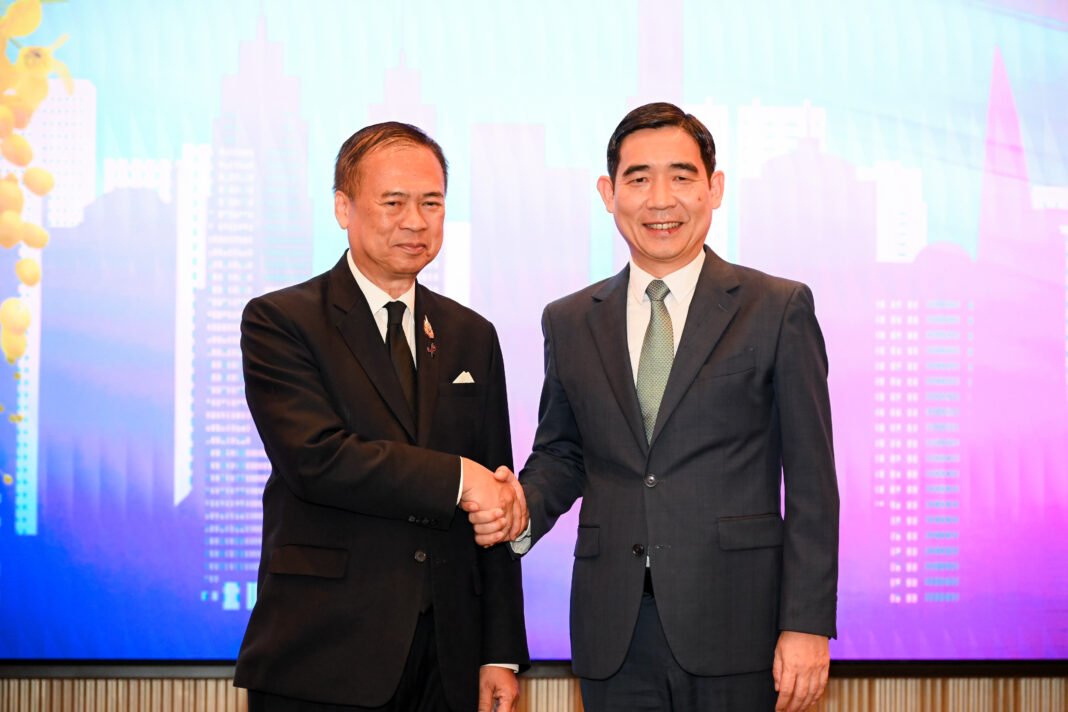
In a published statement ahead of the visit, On August 26th, Minister Mauro Vieira will visit South Africa, coinciding with the holding of the 8th Joint Commission Meeting between Brazil and South Africa, co-chaired by the Brazilian Ambassador and the Minister of Relations International and Cooperation of the RSA, Ronald Lamola. The statement does not address the purpose of this meeting beyond outlining the agenda. This represents a significant diplomatic engagement given that bilateral trade reached US$2.3 billion in 2025, with Brazil exporting US$1.5 billion and importing US$804.8 million.

Background
The Joint Commission is the principal mechanism for political concertation and coordination between Brazil and South Africa. The statement does not mention previous meetings or agreements that have shaped this relationship. It indicates a sustained effort to strengthen ties, particularly following recent developments within BRICS.
Analysis
The agenda – encompassing energy, mining, environment, trade and tourism, science and technology, agriculture, justice, defense, health, arts and culture, and technical cooperation – reflects a prioritization of practical collaboration. The inclusion of mining is particularly notable given ongoing concerns within the Brazilian government regarding responsible resource extraction and its potential impact on environmental regulations. If implemented as described, this visit underscores Brazil’s commitment to deepening ties with South Africa across multiple sectors.
The statement does not address the underlying motivations for increased engagement. The significant trade volume suggests a mutual interest in expanding bilateral commerce. However, the focus on specific sectors – particularly energy and mining – hints at strategic considerations beyond simple market access. The agenda’s breadth implies an attempt to cover all areas of potential cooperation, acknowledging the complex nature of the relationship.
Implications
The meeting’s success will have implications for regional stability, particularly given South Africa’s role within the BRICS bloc and its own internal economic challenges. The agreement on trade could bolster South Africa’s economy, but it also raises questions about Brazil’s approach to global commodity markets and potential competition. Should the visit yield positive results regarding trade agreements, it would signal a continued commitment to fostering stronger ties between the two nations.
Furthermore, this engagement will be viewed through the lens of Brazil’s evolving position within BRICS. The statement does not address how this meeting aligns with Brazil’s broader strategy within the group or its response to shifting geopolitical dynamics. The involvement of the defense sector suggests a desire to deepen security cooperation – an area where further clarity is needed.
Outlook
If the discussions regarding energy and mining are successful, this could lead to increased investment flows between the two countries. Should the joint commission fail to reach consensus on key issues, particularly concerning resource access, it would likely exacerbate existing tensions within BRICS. The statement does not address potential disagreements or fallback positions.
Conclusion
The 8th Joint Commission Meeting represents a critical juncture in Brazil-South Africa relations. The outcome will be defined by the ability of both nations to manage competing strategic interests – primarily concerning resources and economic alignment – within a rapidly changing global landscape.