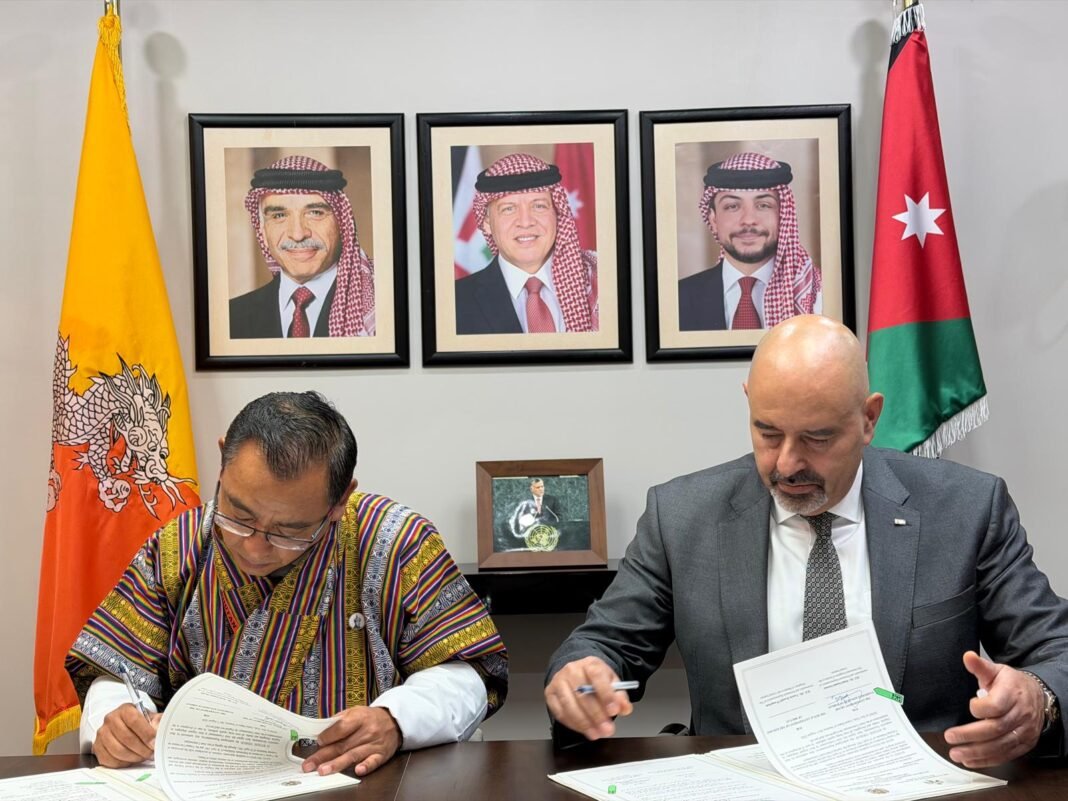
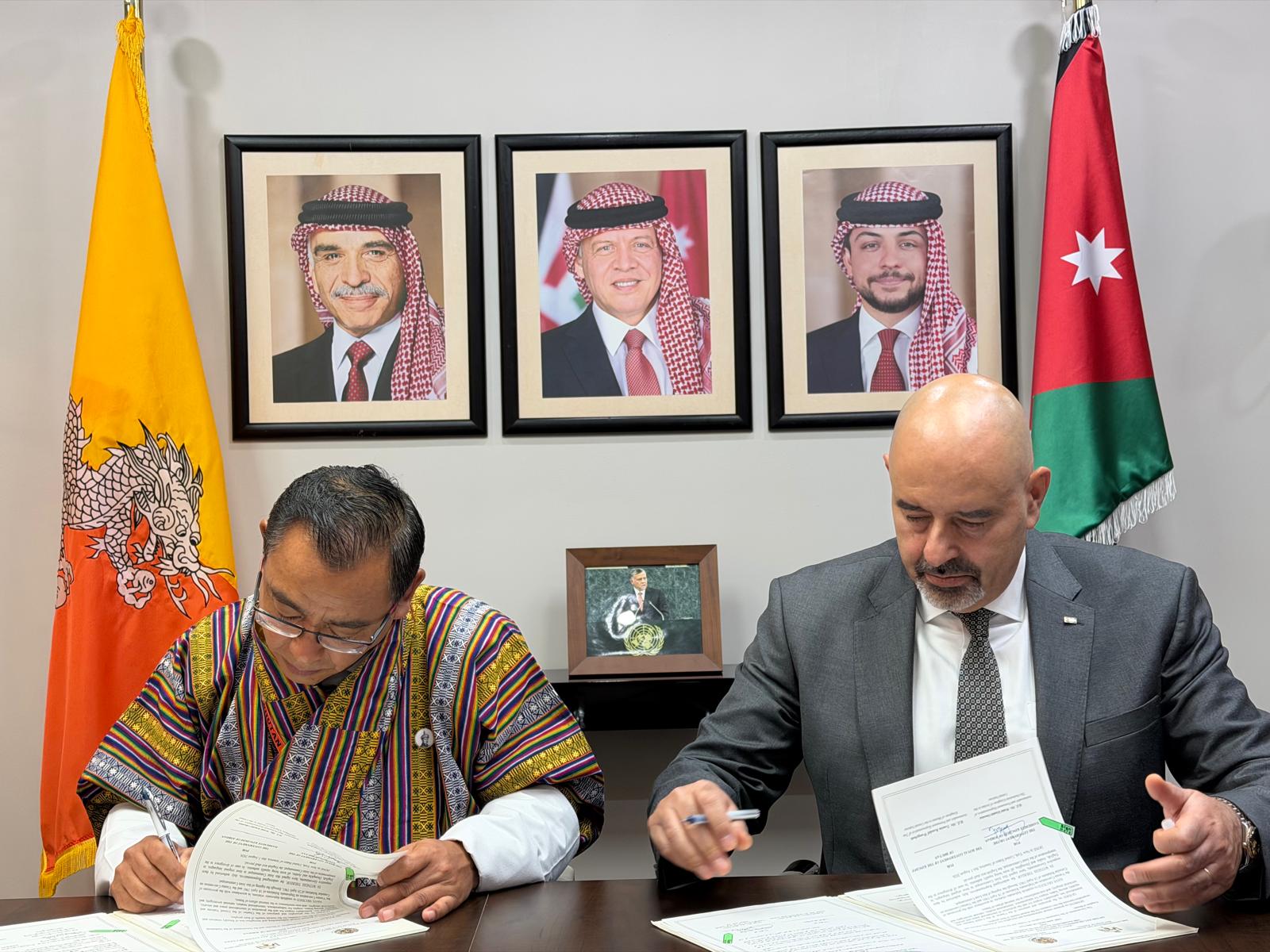
In a published statement ahead of the visit, The Kingdom of Bhutan established diplomatic relations with the Hashemite Kingdom of Jordan on 03 August 2026. The Joint Communiqué establishing diplomatic relations between the two countries was signed by Ambassador Tenzin R. Wangchuk, Permanent Representative of the Kingdom of Bhutan to the United Nations, and H.E. Mr. Walid Khalid Obeidat, Permanent Representative of the Hashemite Kingdom of Jordan to the United Nations, in New York. This marks a significant development for both nations, reflecting a mutual desire to bolster friendship and cooperation.
Background
Prior meetings between representatives from Bhutan and Jordan, as detailed in related press releases dated July 31st and July 30th, 2026, suggest an ongoing dialogue regarding potential avenues for collaboration. The establishment of formal diplomatic relations follows a period of increased engagement at the United Nations, where both countries have represented shared interests. This reflects the shared commitment to further strengthening friendship, cooperation, and mutual understanding.
Analysis
The signing ceremony highlighted the importance of goodwill between the two Royal Families. The Permanent Representatives expressed a commitment to advancing cooperation in areas of mutual interest, including through cooperation at the United Nations and other multilateral forums. This signals a potential shift in Bhutan’s diplomatic priorities, though the specific areas of focus remain undefined.
Implications
With the establishment of diplomatic relations with the Hashemite Kingdom of Jordan, the Kingdom of Bhutan now maintains diplomatic relations with 62 countries and the European Union. This expansion significantly enhances Bhutan’s standing within international forums, particularly concerning resolutions related to regional stability and humanitarian aid. The deepening ties could also influence Bhutan’s approach to trade negotiations, potentially opening new commercial opportunities.
Outlook
Should the visit yield further discussions regarding multilateral cooperation, it would support a strengthening of Bhutan’s position within the United Nations Security Council. If the Jordanian government continues to prioritize bilateral relations with nations in South Asia, this could lead to increased engagement between the two countries on regional security issues.
Conclusion
The formalization of relations with Jordan underscores Bhutan’s ongoing efforts to diversify its diplomatic portfolio. The precise nature of future collaboration remains unclear, but the establishment represents a strategic move within a rapidly evolving geopolitical landscape – one that will demand careful observation.