
In a published statement ahead of the visit, Political Undersecretary discusses combatting human trafficking with Bahraini delegation
9 November 2026
Sheikh Khalifa bin Ali Alharthy, Foreign Ministry Undersecretary for Political Affairs, and Chair of the
National Committee to Combat Human Trafficking
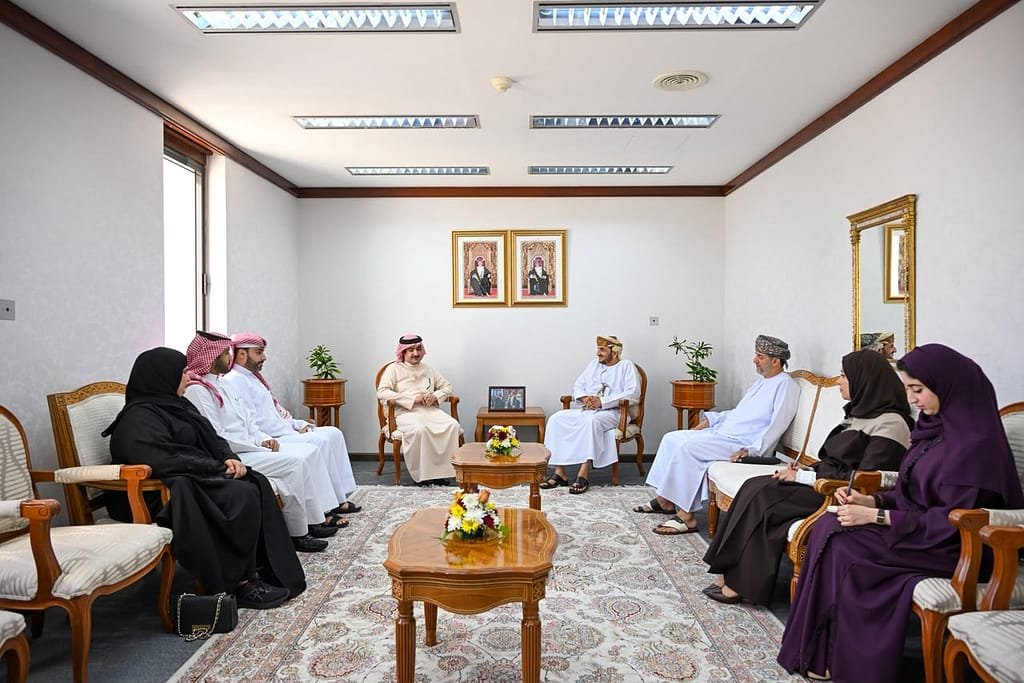
, met a delegation from the Kingdom of Bahrain concerned with combating human trafficking. The delegation was headed by Judge Ibrahim Al Zayed, Judge of the Court of Cassation. The meeting addressed cooperation between the Sultanate of Oman and Bahrain in combatting human trafficking. The participants exchanged views and expertise on human trafficking issues and reviewed the main challenges involved in tackling them. They also discussed ways to enhance coordination, share successful experiences in preventing and combatting this crime and how to protect its victims. The meeting was attended by the head of the Global Affairs Department, together with officials and specialists from Oman and Bahrain. This is an unofficial English version of an Arabic report. To view the official Arabic text, click here.
Background
Prior discussions, as evidenced by the Ministry’s meeting with a US House delegation on 12 October 2026, demonstrate a pattern of engagement with international partners on security matters. Furthermore, a statement from 28 September 2026 detailing consultations with Tanzania highlights a broadening scope of regional diplomatic activity. The focus on human trafficking reflects a continuing priority for the Omani government, as outlined in the Ministry’s statement from 12 October 2026 concerning political consultations with Greece. The meeting’s stated purpose – “enhancing coordination, sharing successful experiences in preventing and combatting this crime and how to protect its victims” – suggests a pragmatic, operational approach to addressing a persistent challenge.
Analysis
The meeting’s focus on human trafficking indicates a prioritization of regional security concerns, likely driven by Oman’s strategic location and its vulnerability to trafficking networks. The involvement of Judge Ibrahim Al Zayed, a judge of the Court of Cassation, suggests a desire to integrate legal frameworks and judicial processes into the counter-trafficking strategy. The exchange of “expertise” implies a recognition of the complexity of the issue and the need for specialized knowledge. If implemented as described, this cooperation could strengthen Oman’s capacity to disrupt trafficking routes and protect vulnerable populations. The delegation’s concern with “human trafficking issues” indicates a shared understanding of the problem’s multifaceted nature, encompassing not just criminal activity but also the need for victim support and rehabilitation. The fact that the meeting addressed “main challenges involved in tackling them” suggests an awareness of potential obstacles, such as limited resources or the involvement of transnational criminal organizations.
Implications
This meeting, if sustained, could strengthen Oman’s regional security profile, particularly within the Gulf Cooperation Council. Enhanced cooperation with Bahrain, a nation with a robust legal system and experience in combating crime, could provide valuable insights and operational support. The potential for “sharing successful experiences” suggests the possibility of Oman exporting best practices in counter-trafficking strategies to other nations. The focus on “protecting its victims” reflects a commitment to humanitarian considerations, aligning with international norms and obligations. Should the visit yield concrete agreements on information sharing and joint operations, it would represent a significant step towards addressing a serious transnational crime.
Outlook
If the visit yields a framework for joint operational activities, Oman could benefit from Bahrain’s judicial expertise and resources. Should the delegation agree to formalize procedures for exchanging intelligence and coordinating investigations, it would enhance the effectiveness of Oman’s counter-trafficking efforts. The meeting’s emphasis on “protecting its victims” creates an ongoing obligation for Oman to invest in victim support programs and advocacy initiatives. The statement does not address the potential for further engagements with other regional partners, such as those in Africa or Asia.
Conclusion
The meeting represents a targeted effort to address a significant security challenge, but the precise contours of future cooperation remain undefined. The focus on practical collaboration suggests a commitment to tangible results, yet the statement does not specify the anticipated outcomes or long-term commitments.