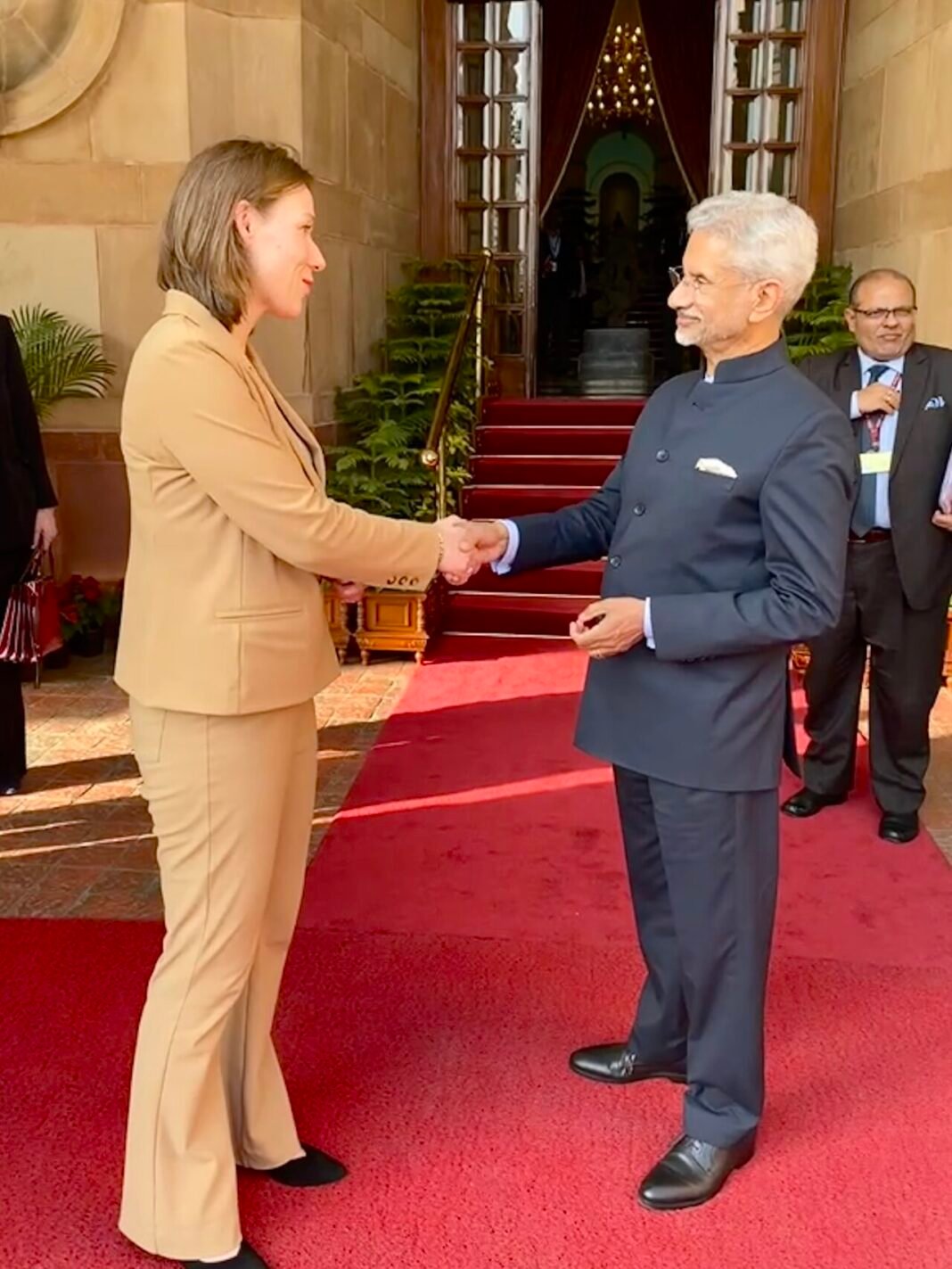
Details in a press release show that The joint statement, released on October 23rd 2026 by a coalition of nations, identifies a critical risk: the humanitarian situation in Sudan is deteriorating rapidly, with an estimated 19.5 million people facing high levels of acute food insecurity, including 5 million in emergency conditions. This matters because the statement explicitly warns of a potential famine, requiring urgent action to prevent loss of life, and the number of food insecure areas is projected to double.

Background
The statement originates from a joint declaration, the product of diplomatic engagement. The Integrated Food Security Phase Classification has previously identified the alarming deterioration in Sudan’s food security. The focus is on immediate humanitarian action, driven by the conflict within the country. The statement does not address the underlying causes of the crisis or any specific long-term solutions.
Analysis
The core driver of Sudan’s crisis, as consistently highlighted, is conflict. This is further complicated by the effects of El Niño, reducing rainfall and exacerbating drought. The statement’s demand for immediate action reflects a growing concern about the potential for widespread famine. The parties to the conflict bear primary responsibility, as outlined in the statement, for alleviating suffering and facilitating humanitarian access. The statement does not address the mineral wealth of the region or potential geopolitical interests at play.
Implications
The declaration carries implications for regional stability, particularly given Sudan’s proximity to multiple countries and the potential for refugee flows. Trade routes are disrupted, and the stability of neighbouring nations is directly impacted. The statement’s call for increased funding reflects a recognition of the scale of the humanitarian need, and could potentially unlock additional development assistance. The statement does not address the potential impact on regional trade or security arrangements.
Outlook
Should the parties to the conflict authorise humanitarian operations through all crossline and cross-border routes, the situation could stabilize. If the presence and protection of humanitarian personnel are sustained, the humanitarian response could be enhanced. If the parties refrain from strikes on civilian infrastructure, the delivery of aid would be facilitated. Should the international community scale up funding in response to increased needs, the ability to support the winter cropping season and strengthen locally led responses would be improved.
Conclusion
The joint statement represents a collective acknowledgement of a crisis with potentially catastrophic consequences. The repeated calls for access and protection, however, leave open the fundamental question of whether the warring parties are truly willing to prioritize the needs of the Sudanese people over their own strategic objectives.