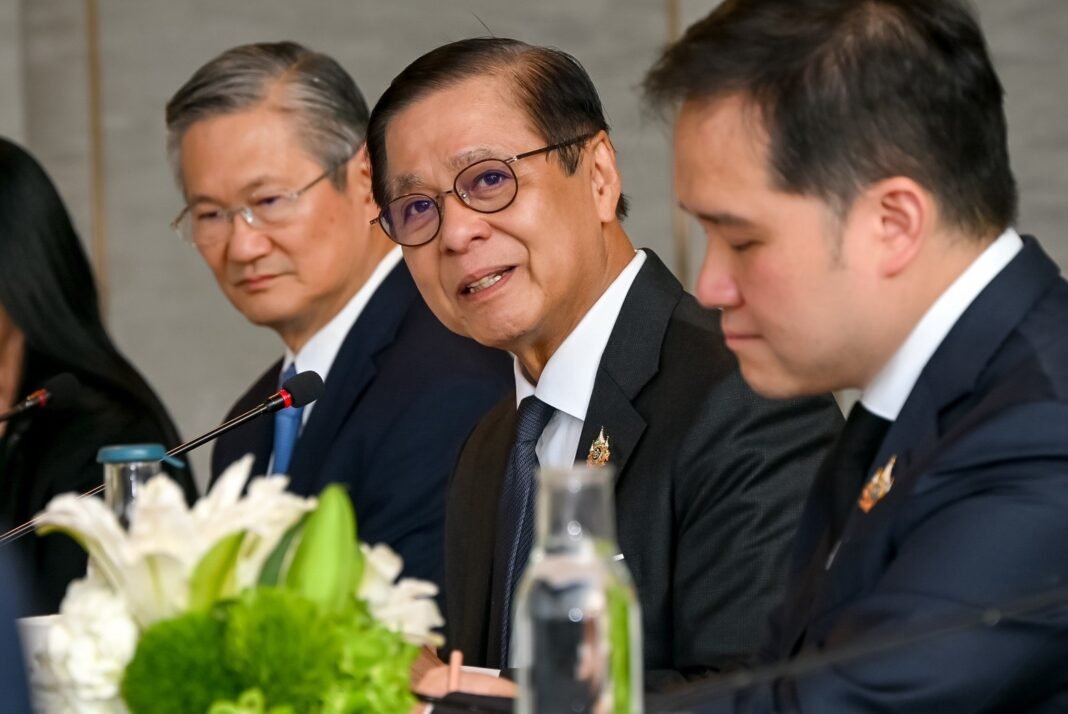
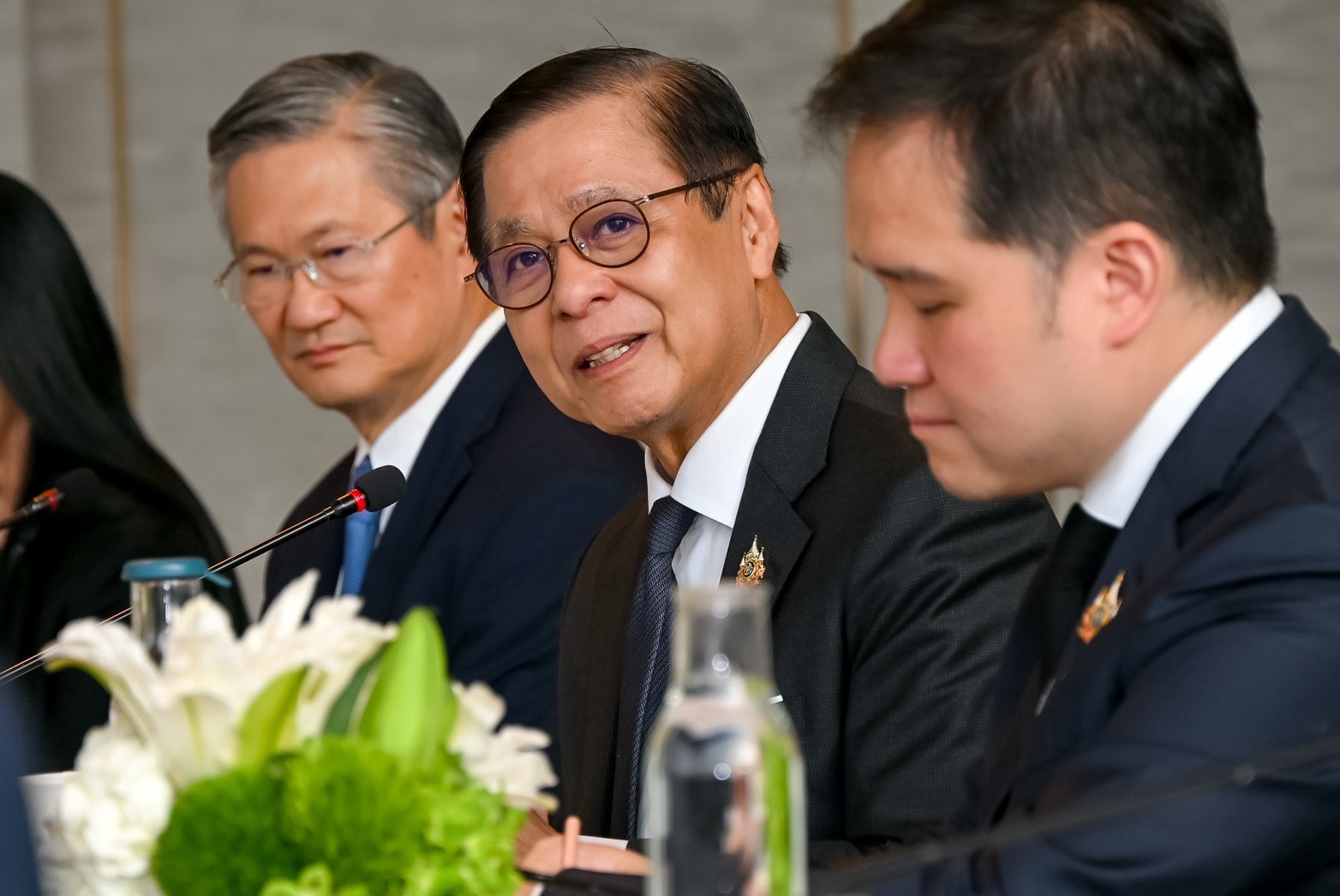
Background: The Deputy Prime Minister’s participation in this roundtable aligns with the Ministry of Foreign Affairs’ ongoing efforts to promote Thailand as a key regional investment destination. The 20-Year “5S” Foreign Affairs Masterplan, outlined in 2026, prioritizes sustainable and inclusive economic growth. Prior statements by this same ministry, including a visit to Malaysia scheduled for September 2026, demonstrate a continued focus on bilateral and multilateral engagement. The Ministry of Foreign Affairs’ History section details the institution’s evolution and commitment to international cooperation. Furthermore, a meeting between the Prime Minister and foreign Ambassadors and Consuls-General to Thailand, held on 7 September 2026, underscores the government’s dedication to diplomatic engagement.
Analysis: The Deputy Prime Minister’s remarks indicate a strategic recognition of global economic uncertainties and a desire to capitalize on the Asia-Pacific region’s continued growth trajectory. The statement highlights ASEAN’s significance as a dynamic and stable geopolitical zone. The emphasis on accelerating regional economic integration, digital transformation, and cooperation on clean energy and energy security reflects key components of the “5S” Foreign Affairs Masterplan. This suggests a deliberate effort to position Thailand at the forefront of these emerging trends. The commitment to accede to the OECD, detailed in the Ministry’s vision and mission, further indicates a strategy of enhancing competitiveness and bolstering economic resilience. The event’s focus on “growth in an age of turbulence” points to a proactive approach to navigating potential risks.
Implications: The Deputy Prime Minister’s participation carries implications for Thailand’s economic policy and its role within the broader ASEAN context. If implemented as described, the accelerated regional integration efforts could attract significant foreign investment and stimulate economic growth. The commitment to OECD accession suggests a willingness to align with international standards and best practices. The focus on clean energy and energy security is particularly relevant given Thailand’s vulnerability to climate change and its growing energy demands. These developments could potentially strengthen Thailand’s trade relationships and enhance its geopolitical influence. The event’s location on the sidelines of the IMF–World Bank Annual Meetings provides Thailand with a platform to engage directly with global financial institutions and advocate for its policy priorities.
Outlook: Should the visit yield further opportunities for collaboration with international partners, Thailand’s commitment to reform could accelerate. If the ASEAN nations successfully accelerate regional economic integration, it would strengthen the region’s overall economic competitiveness. The Deputy Prime Minister’s emphasis on collective efforts could encourage greater cooperation on issues such as climate change and cybersecurity. However, the success of these efforts hinges on the ability of ASEAN member states to overcome existing structural challenges and political divergences.
Conclusion: The Deputy Prime Minister’s participation in the Bloomberg roundtable reinforces Thailand’s ambition to remain a significant player in the global economy, but the extent to which this ambition can be realized remains contingent on continued reform and effective regional collaboration.
Sources & Further Reading
- Official press release
- Foreign ministry source
- Deputy Prime Minister and Minister of Foreign Affairs to pay official visit to Lao PDR (30 Sep 202)
- Deputy Prime Minister and Minister of Foreign Affairs to pay a working visit to Malaysia (4 Sep 2026)
- Deputy Prime Minister and Minister of Foreign Affairs attends a meeting between the Prime Minister and foreign Ambassadors and Consuls-General to Thailand (7 Sep 2026)