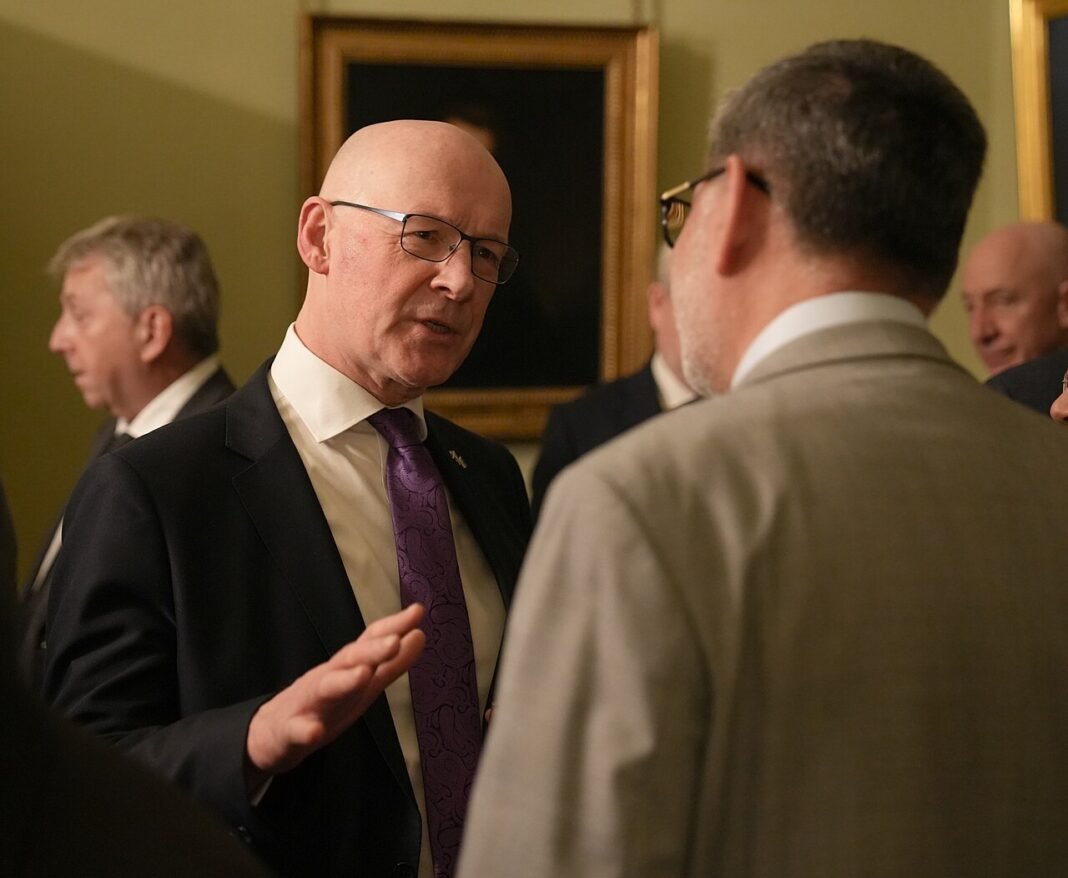
Reporting in a government statement, The Minister of State for External Affairs and Environment, Forest & Climate Change, Shri Kirti Vardhan Singh , will be leading the Indian delegation to Reykjavik, Iceland, from 8-10 October, 2026 to participate in the annual meeting of the Arctic Circle Assembly (ACA), 2026. This visit, focused on the Arctic and climate change perspectives from observer states, represents a deliberate step in India’s evolving engagement with the region. The statement does not mention any specific funding allocations associated with this trip, but it does highlight the increasing importance of the Arctic to India’s broader strategic interests.

Background
The Arctic Circle Assembly is an annual meeting of experts and policymakers focusing on issues related to the Arctic. India’s participation, formalized through its Arctic Policy 2022, is predicated on six pillars: science, climate and environment, economic development, connectivity, governance and capacity building. The statement does not address the specific composition of the Indian delegation beyond the MoS (KVS). Prior statements by this same ministry, in March, documented a visit of the MoS for External Affairs & Environment, Forest and Climate Change Shri Kirti Vardhan Singh to the Kingdom of Saudi Arabia (September 5 – 8, 2026). This prior visit underscored the ministry’s ongoing efforts to diversify diplomatic engagement and explore opportunities in areas such as energy and climate change.
Analysis
India’s Arctic Policy 2022 reflects a calculated response to the growing interconnectedness between the Arctic and the Indo-Pacific. The policy’s emphasis on polar research and climate and environmental issues aligns with a strategic interest in monitoring and potentially mitigating the impacts of Arctic warming on global weather patterns. The bilateral discussion scheduled with the Foreign Minister of Iceland is a key element of this strategy. Bilateral relations between India and Iceland have expanded significantly, driven by the recent landmark India-EFTA TEPA, regular high-level diplomatic dialogues, and partnerships in geothermal, fisheries and clean energy. The inclusion of “Arctic and Climate Change Perspectives from Observer States” suggests a targeted effort to shape the narrative surrounding Arctic governance and influence international discussions.
Implications
The visit has implications for regional stability, particularly concerning the governance of the Arctic. Should the visit yield a strengthened dialogue on Arctic issues, it could contribute to a more coordinated approach to addressing challenges such as melting ice caps and potential resource competition. The expansion of India’s cooperation with the Arctic, particularly in the fields of polar research, climate and environmental issues, potentially signals a broader shift in India’s engagement with the Indo-Pacific region. The statement does not address any potential implications for trade or security, but the emphasis on connectivity suggests an interest in developing infrastructure and logistical routes in the Arctic.
Outlook
If the visit yields a commitment to continued collaboration on climate change research, India’s engagement with the Arctic will likely deepen. Should the bilateral discussion with the Foreign Minister of Iceland result in the formalization of specific joint projects, it would represent a tangible step towards operationalizing India’s Arctic Policy. The statement does not address any potential challenges or obstacles to this cooperation, such as logistical constraints or geopolitical sensitivities.