As set out in a formal announcement, France’s commitment to humanitarian assistance remains unshakeable, according to a recent statement. On 6 October, French humanitarian actors — ministries, local governments, NGOs, foundations and volunteers — will meet in Paris for the National Humanitarian Conference (NHC). This will be an opportunity to show our commitment to providing a concrete response to humanitarian emergencies.
Background
The statement does not mention specific prior meetings or agreements that led to the conference. However, it highlights the ongoing collaboration between France’s foreign service and various ministries, including the Crisis and Support Centre, Interior, Armed Forces and Health. This collaboration is presented as key to a successful response to humanitarian crises.
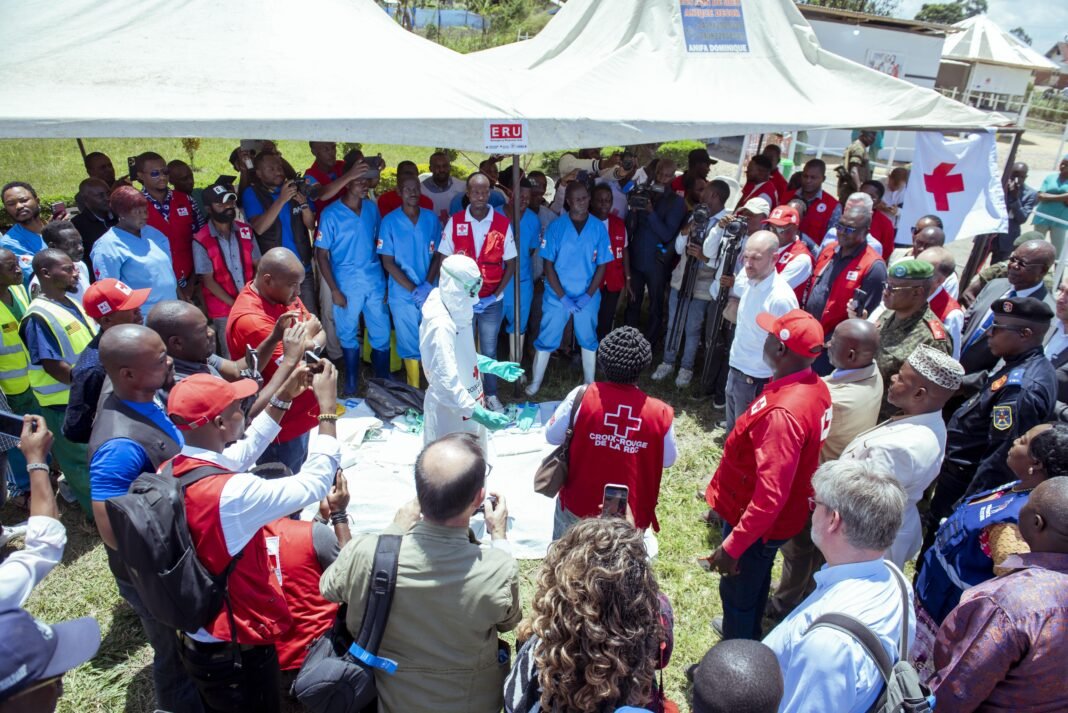
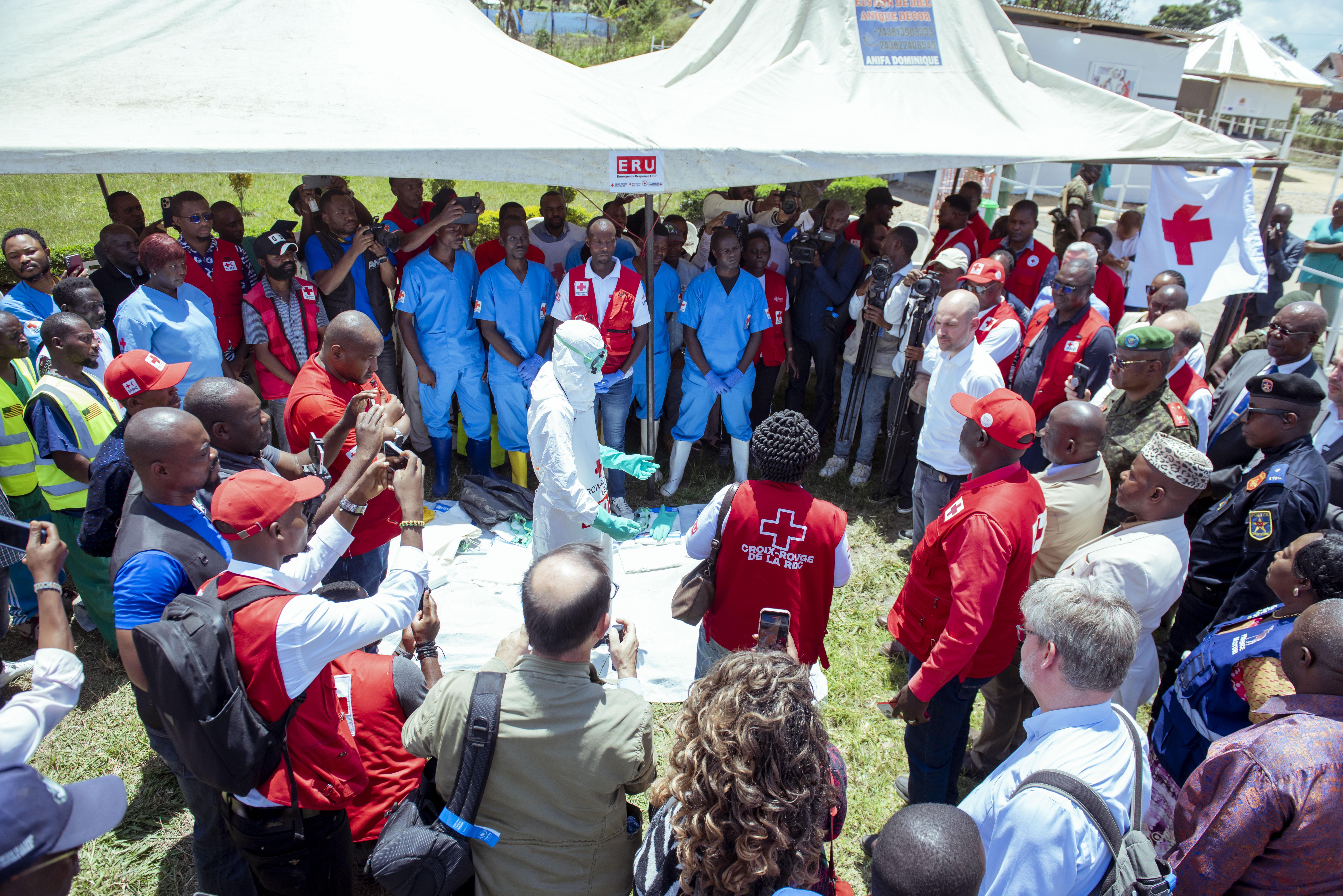
The current humanitarian crises show that we need to move quickly: countries like Sudan, Lebanon and the Democratic Republic of the Congo are experiencing war, famine and health emergencies. The statement does not address the underlying causes of these crises or the level of international engagement with each country.
Wherever these growing needs appear, our embassies are liaising with various ministries (Foreign Affairs, particularly our Crisis and Support Centre, Interior, Armed Forces and Health), as well as with our partner NGOs and foundations. This successful collaboration is the key to providing an effective response to the various crises.
We are providing a concrete response: in Lebanon, for example, we delivered almost 100 tons of equipment to the health authorities, NGOs and UN agencies between March and May 2026. These operations, coordinated by the Crisis and Support Centre, were made possible by our partners: the Tulipe Association, Nutriset, the Airbus Foundation, the CMA CGM Foundation and the NGO Electricians Without Borders.
Whether for shelters or therapeutic food in Sudan, drinking water solutions in the Democratic Republic of the Congo, or emergency shelters in the wake of the earthquake in Venezuela, our collaboration enables us to provide assistance quickly and, thanks to local partners, to provide it on the ground to those most in need.
Analysis
The statement emphasizes the need for rapid responses to escalating humanitarian needs. The focus on collaboration between various French government bodies and NGOs suggests a decentralized approach to crisis management. The mention of “disengagement” implies a context of reduced international engagement with affected countries, creating a heightened demand for French assistance.
The reliance on partnerships, particularly with NGOs like the Tulipe Association, indicates a preference for operational flexibility and local knowledge. The provision of specific aid – 100 tons of equipment in Lebanon – demonstrates a tangible commitment to addressing immediate needs. The statement does not mention France’s overall humanitarian aid budget or its contributions to international humanitarian organizations.
The National Humanitarian Conference’s stated goal is to “promote the work being done and reflect on further concrete partnerships.” This suggests a desire to strengthen existing relationships and potentially forge new alliances within the humanitarian sector. The conference’s timing—amid a backdrop of multiple crises—highlights the urgency of the situation.
Implications
For policymakers, the French commitment to humanitarian assistance underscores a continued role for France as a provider of international stability, particularly in regions facing acute crises. Should the visit yield new operational partnerships, it could strengthen France’s diplomatic leverage in these countries.
The event’s implications for regional stability are limited by the statement’s lack of detail regarding the underlying conflicts in Sudan, Lebanon, and the DRC. However, providing aid to vulnerable populations could contribute to mitigating some of the immediate consequences of these crises.
The conference could impact trade and security relations, though the statement does not address these connections. The provision of aid could be framed as a component of France’s broader security strategy, contributing to stability and preventing further escalation of conflict.
Outlook
If the National Humanitarian Conference successfully fosters new partnerships, France could enhance its operational capacity and expand its reach in delivering humanitarian assistance. Should the level of international engagement remain low, France’s role as a primary provider of aid will likely become increasingly important.
Given the continued instability in the listed countries, sustained commitment to humanitarian action will be crucial. The statement does not address the long-term implications of these crises or France’s potential role in supporting reconstruction efforts.
Conclusion
The National Humanitarian Conference represents a focal point for France’s ongoing commitment to humanitarian assistance, but the statement offers no clear indication of how France intends to address the root causes of the global crises it seeks to mitigate.