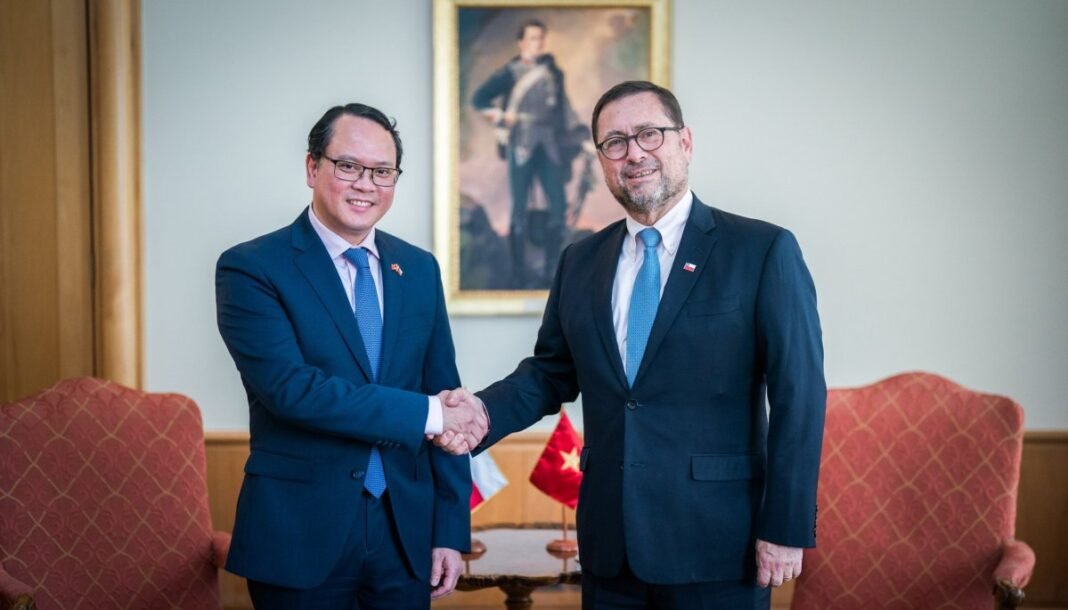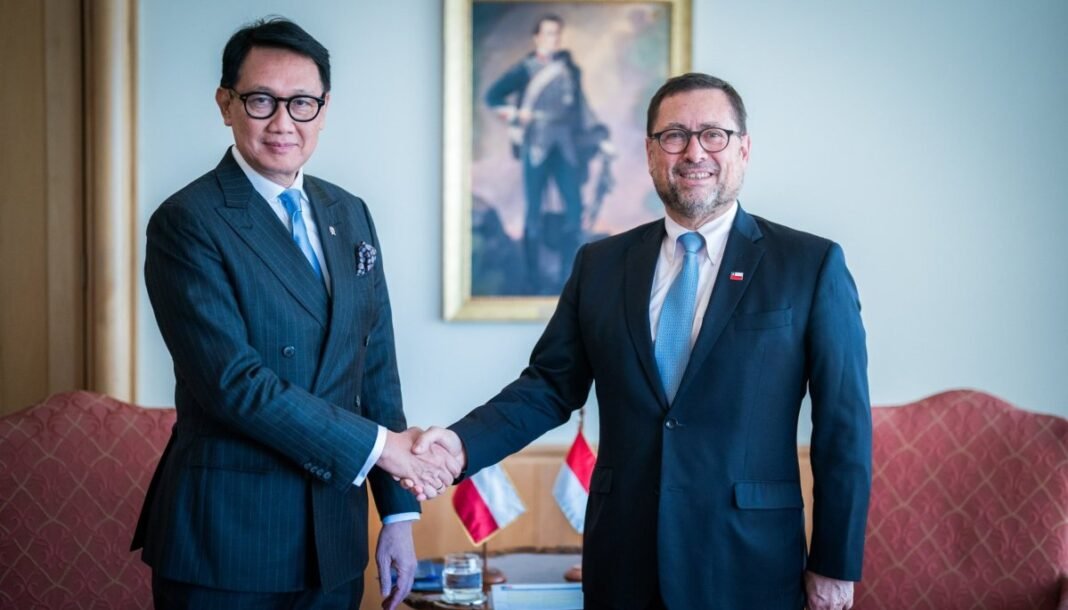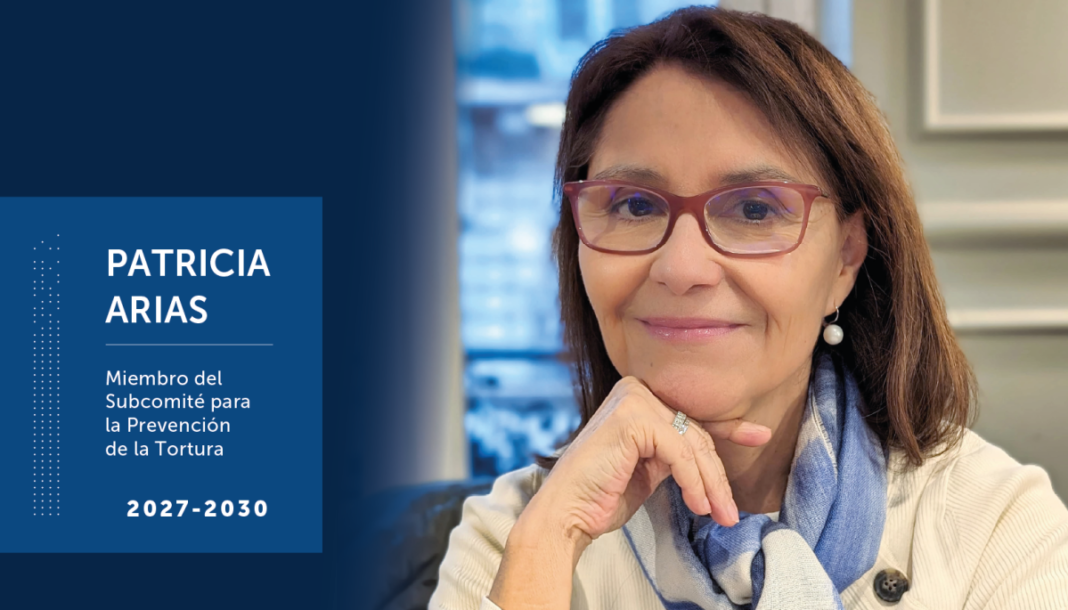
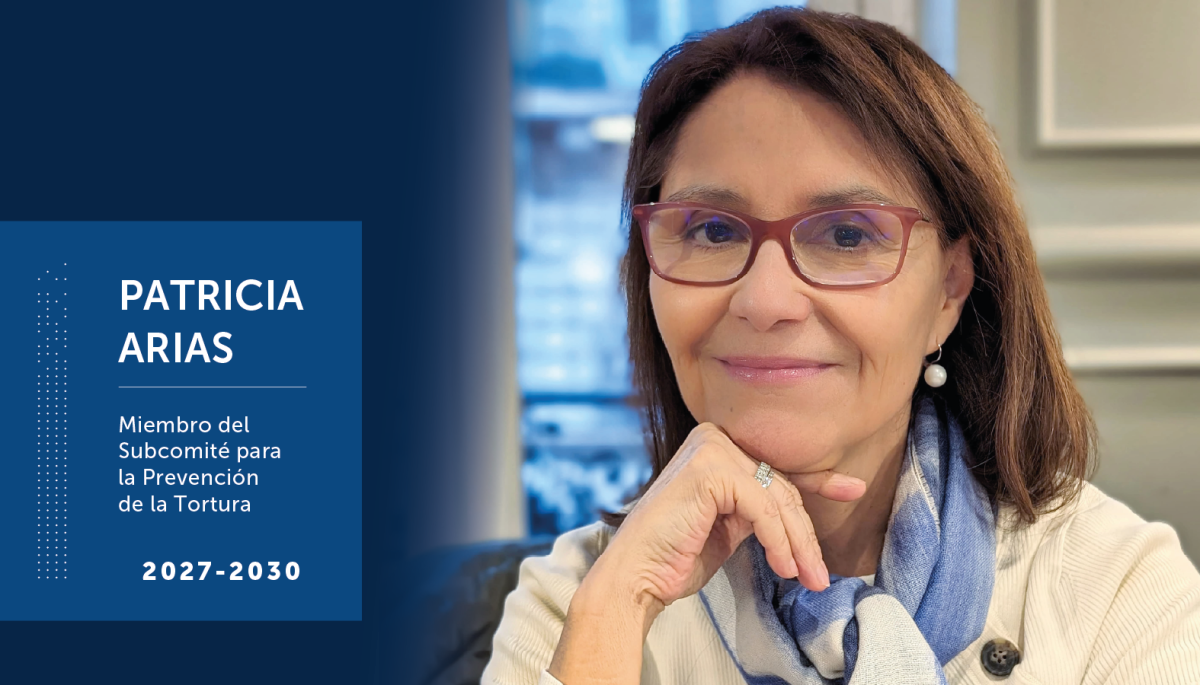
Details in a press release show that The statement released on Thursday, October 1st, announced that Chilean lawyer Patricia Arias had been elected to the Sub-Committee for the Prevention of Torture 2027-2030 within the United Nations, operating out of Geneva, Switzerland. This outcome, confirmed by securing fourth place in the voting, represents a significant step for Chile’s diplomatic engagement at the international level. The selection underscores a renewed focus on deploying qualified Chilean professionals within UN oversight mechanisms, a strategy already validated by the prior appointment of Carmen Dominguez Hidalgo to the UN Committee on the Rights of the Child.
Background
The election occurred following a competitive process within the framework of the UN’s established procedures for selecting members to the Sub-Committee. The statement does not specify the total number of votes cast, but indicates that Arias obtained sixty-eight votes, representing the fourth largest share. This outcome is linked to the current administration’s broader ambition to increase Chilean representation within key international organizations. The statement does not detail the specific criteria used for the voting process, but it highlights this as the second competitive election won during this administration, following the selection of Carmen Dominguez Hidalgo for membership on the UN Committee for the Rights of the Child.
Patricia Arias holds a Bachelor of Laws and Social Sciences from the University of Chile and a degree in Criminology from the University of Leuven, Belgium. She also possesses a Master’s degree in Criminology from the latter institution. The statement does not detail the specific responsibilities of the Sub-Committee for the Prevention of Torture, but it does indicate that it operates within the framework of international human rights law.
Analysis
The Chilean government’s strategy of selecting highly qualified Chilean professionals for UN positions appears to be gaining traction. This approach, demonstrated by the selection of Arias and Dominguez Hidalgo, suggests a deliberate effort to bolster Chile’s influence within multilateral institutions and to leverage Chilean expertise in areas such as human rights and child welfare. The statement does not address the motivations behind this strategy, but the selection of individuals with advanced degrees from prestigious European universities indicates a commitment to technical expertise. The selection reflects a desire to maintain a visible presence within UN bodies that address critical human rights concerns.
The appointment of Arias follows a pattern of engagement established by the current administration. This suggests a calculated approach to international relations, prioritizing the deployment of Chilean talent to key UN committees. The statement does not address the potential implications of this strategy for Chile’s broader foreign policy objectives, but it highlights a commitment to international cooperation on issues such as the prevention of torture.
Implications
The election of Patricia Arias carries implications for regional stability, particularly within the context of Chile’s relationships with other Latin American nations. The increased Chilean presence within UN bodies could facilitate collaborative efforts on human rights issues and promote regional security. The statement does not address the potential impact of this appointment on trade or security relations with other countries. Should the visit yield insights into the committee’s operational procedures, it could inform Chile’s future engagement with other international organizations.
Furthermore, the selection of Arias reinforces Chile’s commitment to upholding international human rights standards. The statement does not address the potential implications for Chile’s own human rights record, but the appointment suggests a desire to actively contribute to the global effort to combat torture and other human rights abuses. The selection could also influence Chile’s diplomatic strategy in relation to other countries with questionable human rights records.
Outlook
If the Sub-Committee’s work on the prevention of torture proves successful, it could provide a model for other countries seeking to strengthen their engagement with UN human rights mechanisms. Should the committee’s recommendations be adopted by other nations, it could contribute to a global reduction in torture rates. The statement does not address the potential challenges that Arias may face within the Sub-Committee, but the appointment suggests a willingness to invest in Chilean expertise within international human rights governance.
Should the Sub-Committee’s investigations reveal systemic abuses of human rights, it could pressure governments to take corrective action. The statement does not address the potential implications for Chile’s own domestic policies, but the appointment suggests a commitment to upholding international human rights standards. The selection represents a strategic investment in Chile’s long-term standing within the global community.
Conclusion
The election of Patricia Arias marks a continued Chilean focus on engagement within the UN system, but the statement does not address the extent to which this strategy will ultimately translate into tangible outcomes regarding the prevention of torture. The success of Arias’s tenure within the Sub-Committee will likely shape future Chilean foreign policy priorities within the realm of human rights.