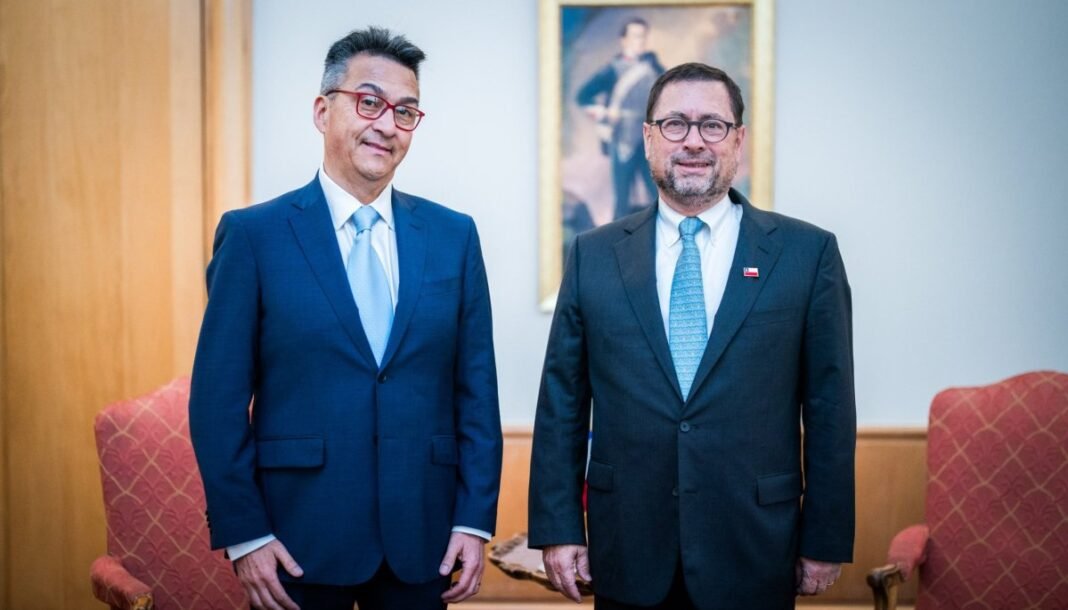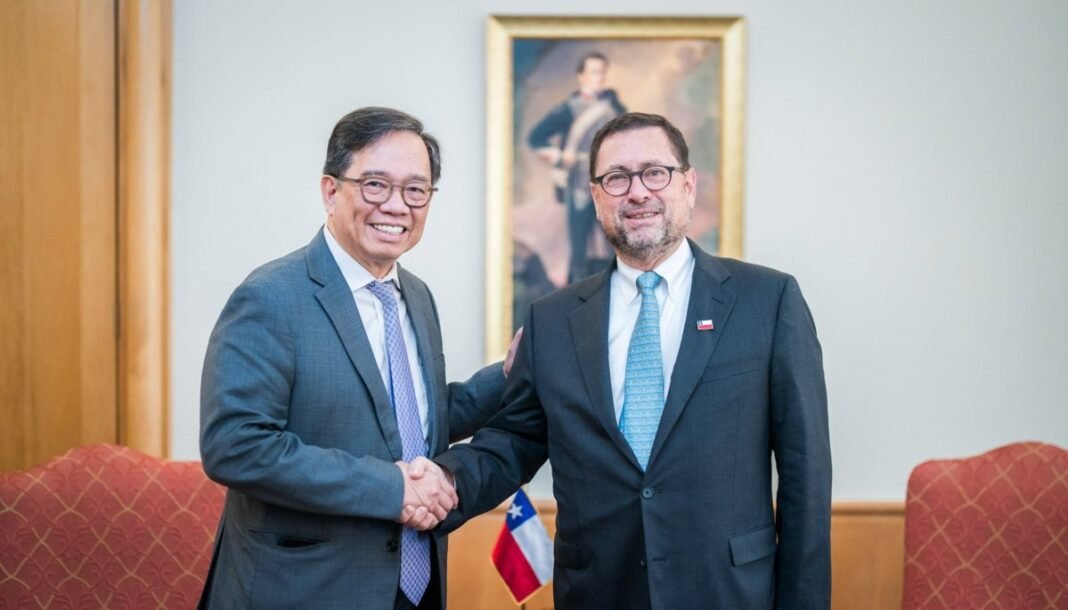
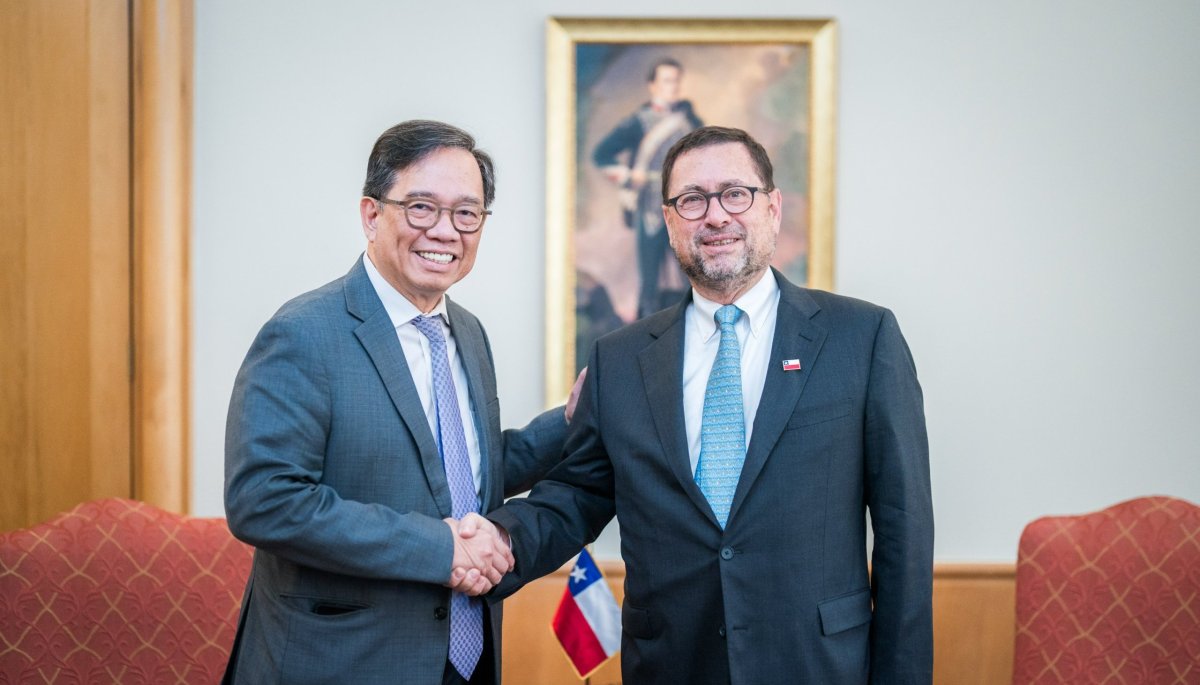
Reporting in a government statement, The Chilean Minister of the Interior, Francisco Pérez Mackenna, met with the Vice-Minister of Foreign Relations of the Philippines, Leo M. Herrera-Lim, on Friday, October 2, 2026. The meeting focused on strengthening commercial ties and the conclusion of negotiations for the Comprehensive Economic Partnership Agreement (CEPA). This agreement, the statement indicates, will establish a favorable framework for new economic partnerships between the two nations. The prospect of increased bilateral investment was also a key discussion point, highlighting a growing strategic interest between Chile and the Philippines.
Background
The meeting occurred as both Chile and the Philippines commemorate the 80th anniversary of their diplomatic relations. The statement does not mention specific dates for prior meetings or agreements. The CEPA represents a significant step in the ongoing relationship, building upon existing trade ties. The RCEP, or Regional Comprehensive Economic Partnership, is a mechanism that could reinforce Chile’s role as a strategic bridge between Asia-Pacific and Latin America, and the statement does not provide details on the agreement’s terms.
Analysis
The Chilean government’s actions suggest a strategic prioritization of economic engagement with Southeast Asia. The pursuit of CEPA demonstrates a desire to leverage Chile’s geographic position to facilitate trade flows. Seeking Philippine support for Valparaíso’s candidacy to host the BBNJ agreement—the “Conservación y Uso Sostenible de la Biodiversidad Marina más allá de las Jurisdicciones Nacionales”—indicates a commitment to multilateral environmental governance. This suggests a recognition of Chile’s potential to contribute to international efforts in marine biodiversity conservation. The inclusion of the RCEP further underscores a broader ambition to integrate Chile into regional economic networks, and the statement does not address the potential challenges or benefits of membership.
Implications
For policymakers in Santiago, the deepening economic relationship with the Philippines carries implications for Chile’s trade diversification strategy. Should the CEPA and RCEP agreements be successfully implemented, it could significantly enhance Chile’s export markets and attract foreign investment. Regionally, the move could solidify Chile’s role as a key player in the Asia-Pacific trade corridor. Furthermore, Chile’s engagement with the BBNJ agreement—particularly through its Valparaíso bid—positions the country as a participant in global efforts to manage marine resources, and the statement does not address the potential impact on Chile’s fishing industry.
Outlook
Should the Philippines formally endorse Chile’s candidacy for the BBNJ agreement, it would represent a considerable boost to Valparaíso’s chances. If the CEPA is finalized and implemented as described, it would create a more predictable and favorable environment for investment. However, if the Philippine government does not provide its support, Chile’s efforts to gain a prominent role in the RCEP could be hampered, and the statement does not address the potential consequences.
Conclusion
The meeting between Minister Pérez Mackenna and Herrera-Lim underscores Chile’s commitment to strengthening its economic ties with the Philippines. The bid for Valparaíso’s hosting of the BBNJ agreement remains a central element of this strategy, but the ultimate success of this effort remains uncertain, leaving open the question of Chile’s long-term influence within international marine conservation frameworks.