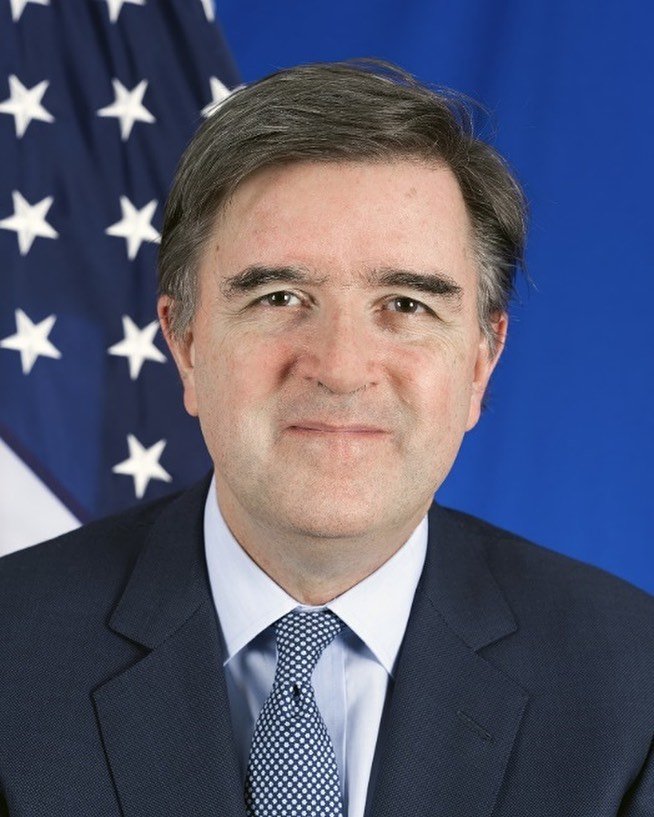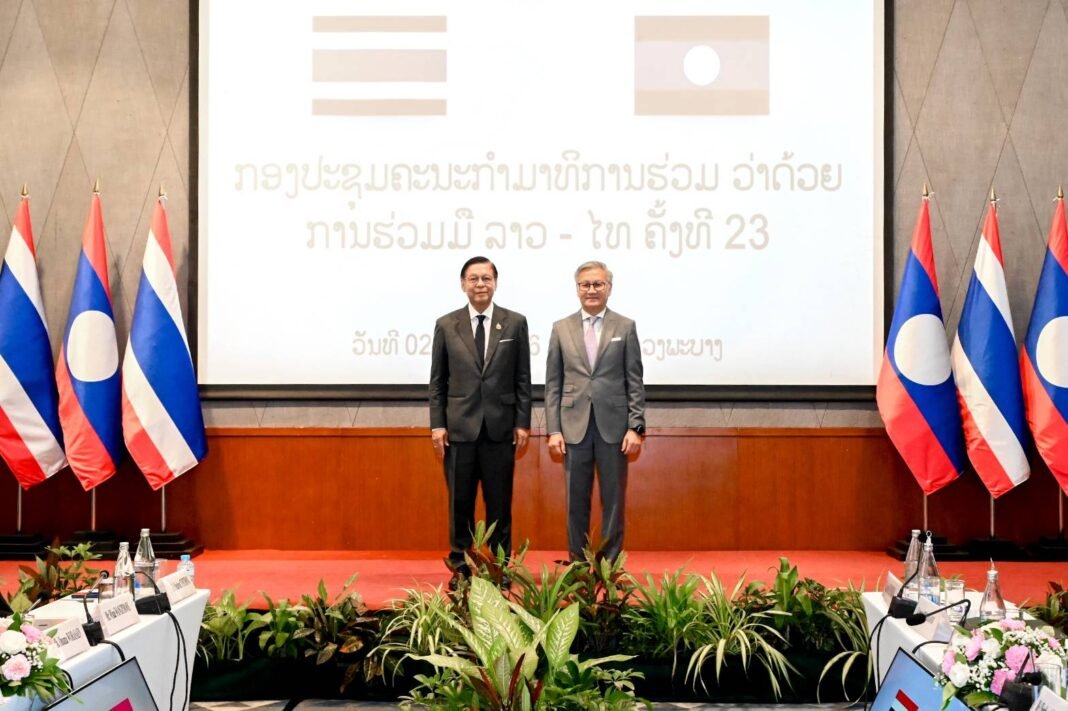
Details in a press release show that The United Kingdom voiced support for the 2027 Unified Budget Proposal presented by the Organisation Security and Co-operation in Europe (OSCE) Secretary General Sinirlioğlu, a move driven by a desire to safeguard the organisation’s frontline operational capabilities. This support, articulated during a meeting with the OSCE Chairman, is predicated on the recognition that the 2026 Unified Budget restored financial certainty after a period of difficult savings reductions, including significant staffing and expenditure cuts, and that these savings must now be protected. The statement does not address the overall size of the proposed budget or the specific figures involved; it solely focuses on the strategic imperative of maintaining the OSCE’s operational capacity.

Background
The agreement of the 2026 Unified Budget was an important achievement. It restored financial certainty and placed the organisation on a more sustainable footing. It also required difficult choices. OSCE structures delivered substantial and, in many cases, painful savings, including reductions in staffing and operational expenditure. The statement does not mention the Autonomous Institutions or Field Operations. The organisation’s financial stability has been a key concern following a period of restructuring and cost-cutting measures, as outlined in the 2026 budget. The establishment of a Chair-in-Office for 2027, alongside commitments for 2028 and 2029, is presented as a critical first step towards guiding strategic reform.
Analysis
The UK’s stance reflects a prioritization of operational delivery over broader budgetary adjustments. This suggests a belief that maintaining the OSCE’s ability to provide practical support and conflict-prevention capabilities in the OSCE region is paramount. The insistence on preserving the capacity of autonomous institutions and field operations, despite calls for a zero-nominal growth budget, indicates a recognition of the potential for further reductions to disproportionately impact frontline activities. The statement does not address the motivations behind the calls for a zero-nominal growth budget, nor does it detail the analysis undertaken to justify this approach. This suggests a calculated risk assessment, balancing the need for fiscal discipline with the potential for undermining the OSCE’s core mandate.
Implications
The UK’s backing for the 2027 budget proposal has implications for regional stability within the OSCE area. If implemented as described, it reinforces the value the UK places on the OSCE’s operational footprint, particularly in delivering practical support to participating States. The commitment to a stable Secretariat structure during this period of consolidation could mitigate the risk of further internal reorganisation, allowing the OSCE to focus on delivering tangible outcomes. The statement does not address the potential impact of this approach on broader geopolitical dynamics within the region.
Outlook
Should the visit yield a consensus on the 2027 budget, the UK’s support would provide a degree of stability for the OSCE. If the calls for a zero-nominal growth budget persist, and are ultimately rejected, the UK’s continued support could be contingent on demonstrable evidence of improved efficiency and value for money within the OSCE’s structures. The agreement to establish the Chair-in-Office for 2027 and subsequent years represents a crucial element in facilitating future reforms, provided that these reforms are strategically driven and outcome-focused. The statement does not address the potential challenges associated with coordinating reform efforts across participating States.