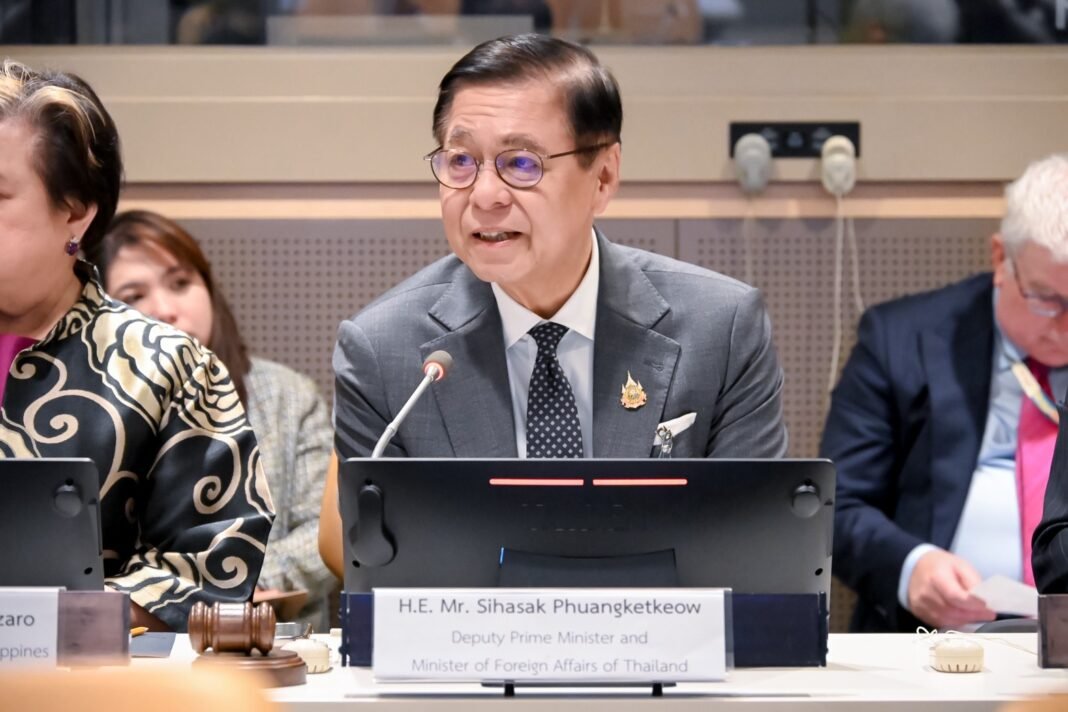
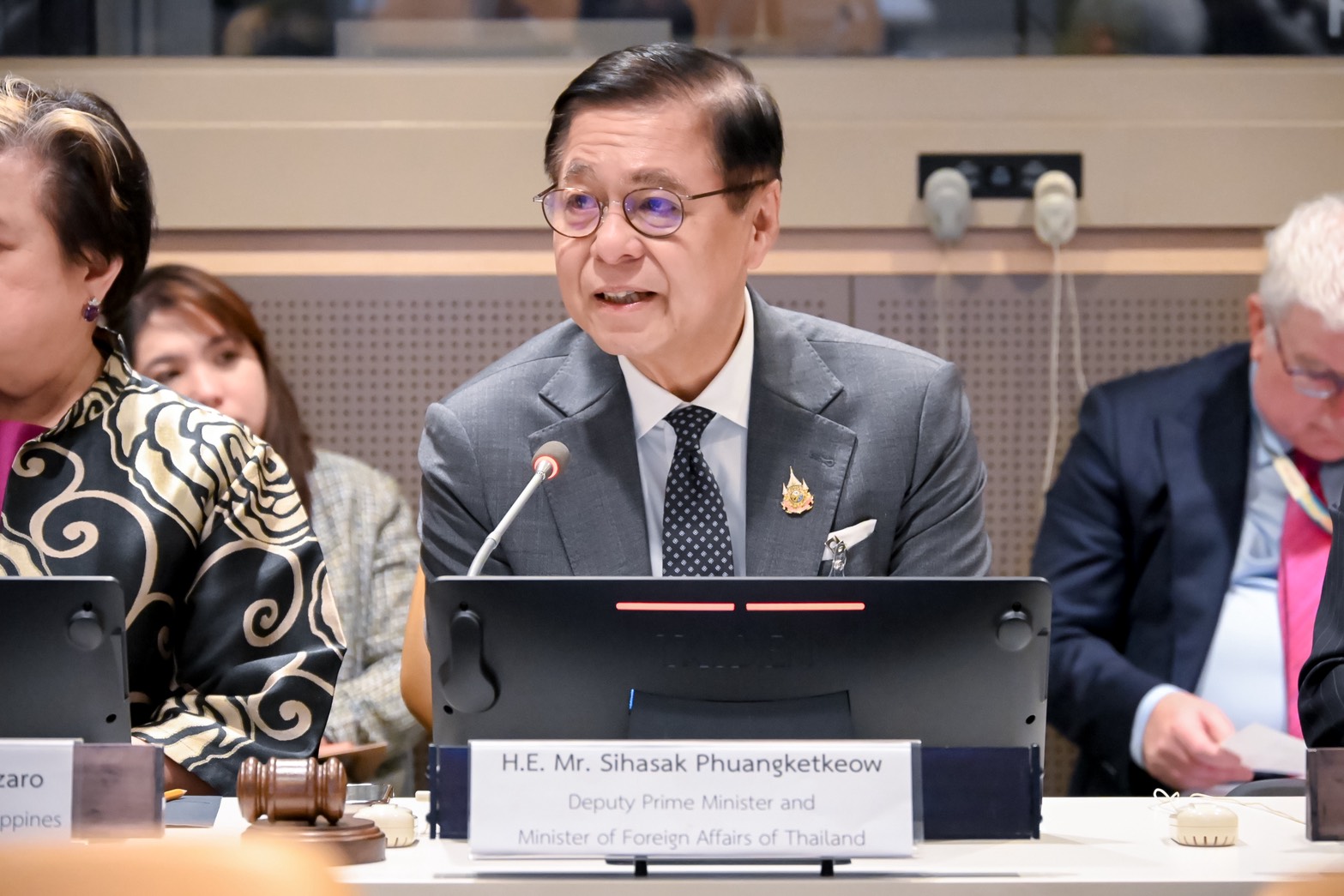
As set out in a formal announcement, On 24 September 2026, Deputy Prime Minister and Minister of Foreign Affairs Sihasak Phuangketkeow delivered the opening remarks at the side event entitled “Delivering the Sendai Framework: An ASEAN Approach to Inclusive Disaster and Climate Resilience”. The event, co-organized by Thailand, the United Nations Office for Disaster Risk Reduction (UNDRR), Japan, and the Philippines during the 81st Session of the UN General Assembly at the UN Headquarters in New York, underscored the increasing risks and impacts of climate-related disasters, particularly within the Asia-Pacific region. The statement does not mention the specific number of anticipated impacts, but it notes that ASEAN and the Asia-Pacific region remain highly vulnerable and significantly affected by these events.
Background
The event’s focus aligned with the Sendai Framework for Disaster Risk Reduction (2015–2030), a globally recognized initiative to reduce disaster risks and build resilience. The 2030 Agenda for UN Sustainable Development and Thailand’s ASEAN Community Vision 2045 also served as key reference points. The statement does not mention prior discussions surrounding the framework within ASEAN, but it indicates Thailand’s role as the ASEAN Coordinator for Sustainable Development Cooperation. Prior to this event, on 19 September 2026, Vice Minister for Foreign Affairs Vijavat Bhaveeratnak visited Canada, and on 10 September 2026, he met with the Ambassador of the People’s Republic of Bangladesh to Thailand. These meetings demonstrate Thailand’s ongoing engagement with key diplomatic partners across various sectors.
Analysis
The Deputy Prime Minister’s emphasis on “One ASEAN, One Response” reflects a strategic prioritization of collaborative disaster management within the region. The statement highlights a recognized vulnerability – the disproportionate impact of climate-related disasters on vulnerable groups, a consistent theme in Thailand’s foreign policy. The inclusion of data management and proactive communication are presented as crucial components to mitigate misinformation and improve response effectiveness. The event’s participants, including UNDRR, UN Women, and disaster management specialists, suggest a desire to integrate diverse expertise into a unified approach. The statement does not address the potential challenges of coordinating responses across multiple national contexts within ASEAN.
Implications
This event’s outcome, should the visit yield successful collaborations, has significant implications for regional stability. A strengthened ASEAN framework for disaster resilience could reduce the immediate humanitarian consequences of climate-related disasters, minimizing displacement and economic disruption. The alignment with the 2030 Agenda for UN Sustainable Development suggests a broader commitment to sustainable development goals, potentially impacting infrastructure investment and long-term planning. The focus on trade and security, implicit in the discussion of disaster preparedness, could influence Thailand’s engagement with key trading partners, particularly Japan and Australia.
Outlook
Should the event’s discussions translate into concrete operational partnerships, Thailand’s role as ASEAN Coordinator could become more prominent. If the collaborative framework is successfully implemented, it could provide a model for disaster risk reduction in other vulnerable regions. However, the statement does not address the challenges of securing sustained funding or overcoming political obstacles to effective coordination. Should the Philippines and Australia continue to engage actively within the framework, the ASEAN approach to inclusive disaster management could become a more widely adopted strategy.
Conclusion
The event’s focus on inclusive disaster resilience underscores the ongoing need for Thailand to prioritize humanitarian assistance and regional cooperation. The question remains: can Thailand effectively leverage its position as ASEAN Coordinator to catalyze meaningful change in disaster risk reduction practices across the region, particularly in securing long-term funding and fostering shared governance structures?
Sources & Further Reading
- Official press release
- Foreign ministry source
- Vice Minister for Foreign Affairs of Thailand visits Canada (19 Sep 202)
- Vice Minister for Foreign Affairs meets with Ambassador of the People’s Republic of Bangladesh to Thailand (10 Sep 202)
- Vice Minister for Foreign Affairs meets with Ambassador of Austria to Thailand (23 Sep 202)