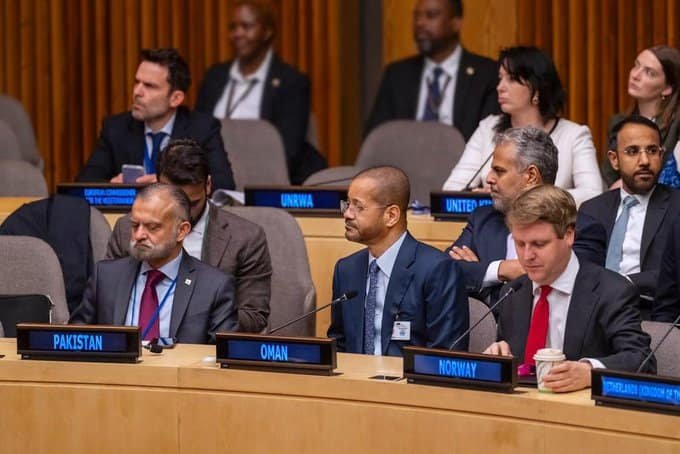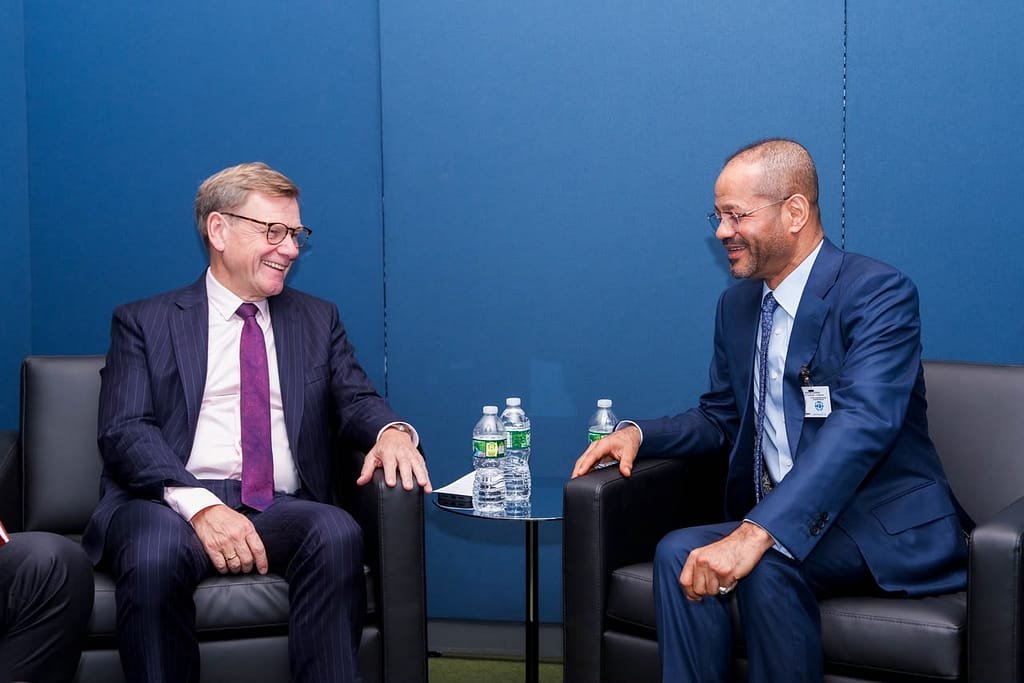
The official readout frames the trip as Minister Sayyid Badr Albusaidi held meetings alongside UN General Assembly participation on 24 September 2026. The statement does not mention the specific number of meetings held. This suggests a proactive engagement strategy aimed at furthering Oman’s interests within the multilateral system. The event reflects Oman’s continued commitment to regional stability and diplomatic solutions to ongoing challenges.
Background
The statement does not mention a timeline for the meetings, but it indicates they occurred on the sidelines of the 81st session of the United Nations General Assembly. Previous statements by the Ministry of Foreign Affairs, dated 24 September 2026, detail similar engagements with the Egyptian and UK counterparts during the same event. Furthermore, a phone call with UN Secretary General António Guterres took place on 9 September 2026, demonstrating a sustained diplomatic rhythm. These engagements are consistent with established practice for the Ministry of Foreign Affairs.
Analysis
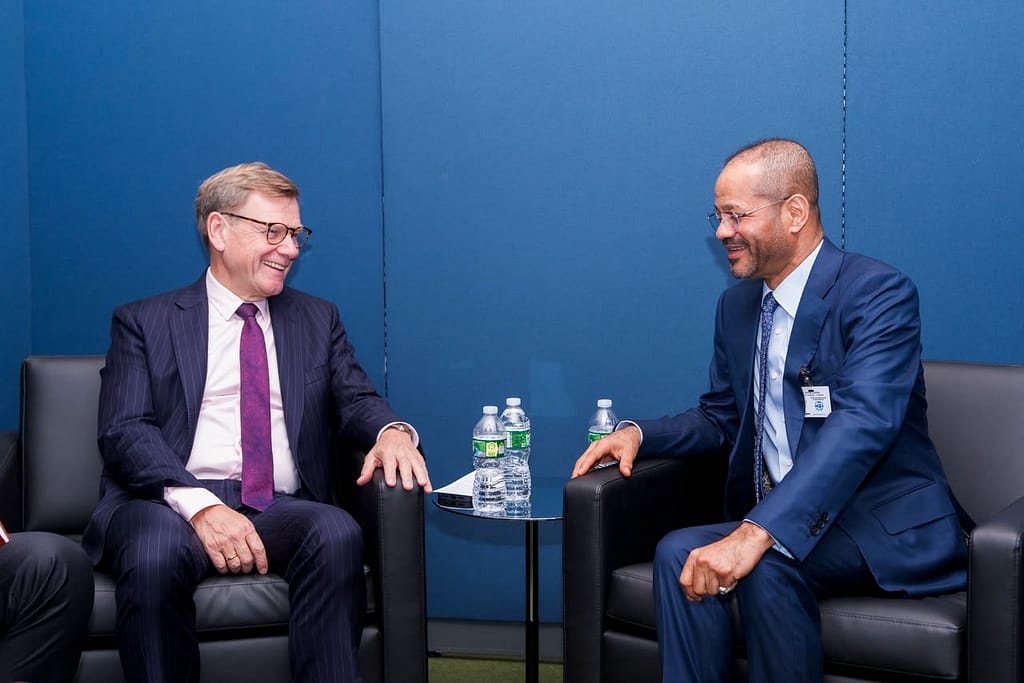
Oman’s diplomatic activity centers on regional developments, particularly in the Middle East, the Gulf, and Europe. The discussions with Dr Johann Wadephul, Federal Minister for Foreign Affairs of Germany, focused on advancing mutual interests and expanding cooperation. The meeting with Dr Abdullah Al Alimi Bawazir, Vice-President of Yemen’s Presidential Leadership Council, underscores Oman’s ongoing support for Yemen and efforts to achieve a political settlement. This suggests a prioritization of regional stability and a willingness to engage directly with key actors. The meetings with Brunei Darussalam, the European Union, Tajikistan, Bulgaria, and the Republic of Tajikistan reflect a broader strategy of diversifying partnerships and strengthening diplomatic ties across multiple continents. The statement does not address the specific goals Oman seeks to achieve through these dialogues.
Implications
The meetings have implications for regional stability, particularly regarding Yemen. Oman’s continued engagement with the Presidential Leadership Council signals a commitment to supporting Yemen’s peace process. The discussions with European partners highlight Oman’s role as a bridge between the Middle East and Europe, potentially facilitating dialogue and addressing shared concerns. The expansion of cooperation with countries like Tajikistan and Bulgaria indicates a strategic effort to broaden Oman’s diplomatic footprint and engage with emerging markets. The statement does not mention any implications for trade or security agreements.
Outlook
Should the visit yield continued engagement with key partners, Oman’s foreign policy could solidify its position as a facilitator of regional dialogue. If the discussions with the Yemeni Presidential Leadership Council prove fruitful, it could contribute to a more inclusive and sustainable political settlement. If the meetings with European partners result in increased technical cooperation, this suggests a commitment to addressing shared challenges such as security and stability. The statement does not address potential contingencies or alternative scenarios.