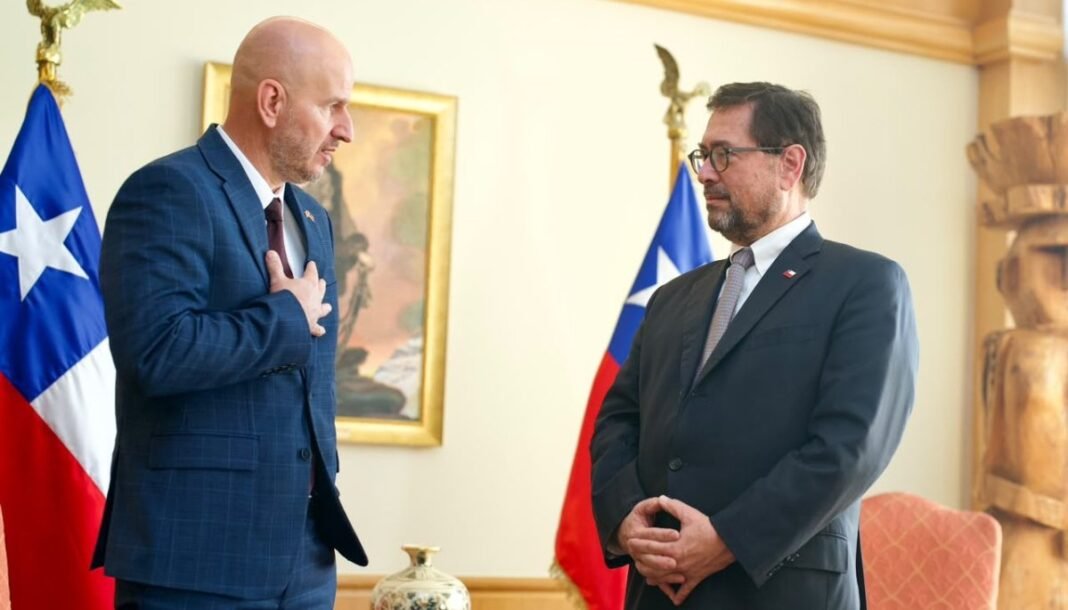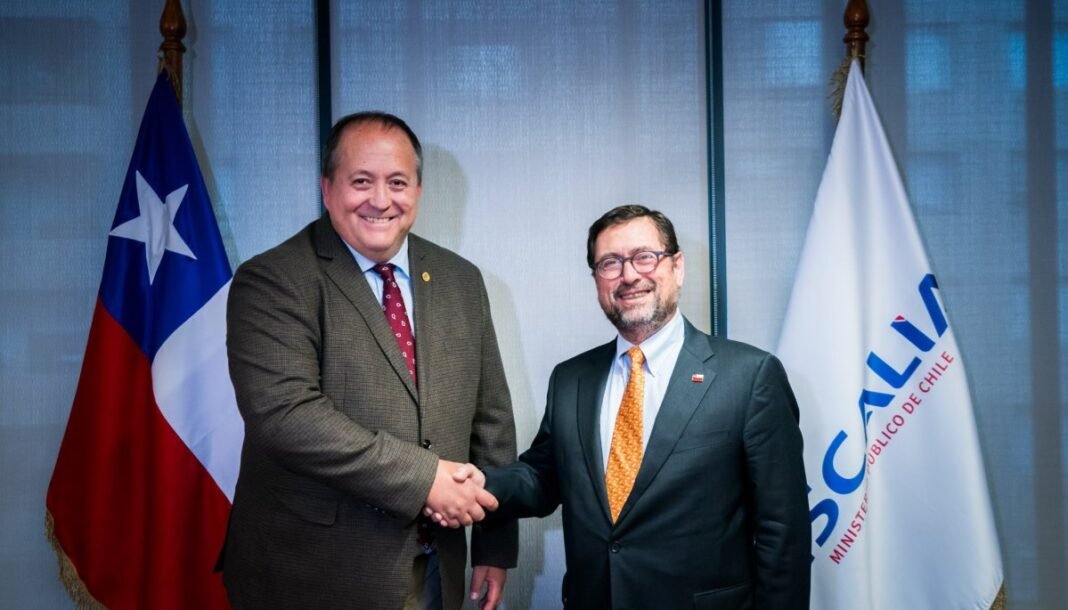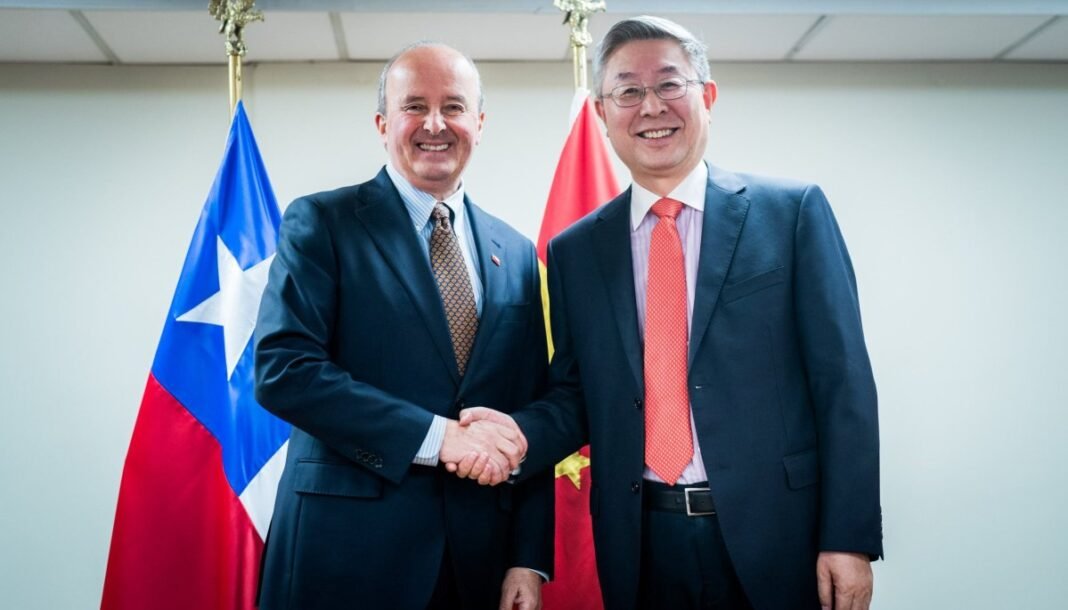
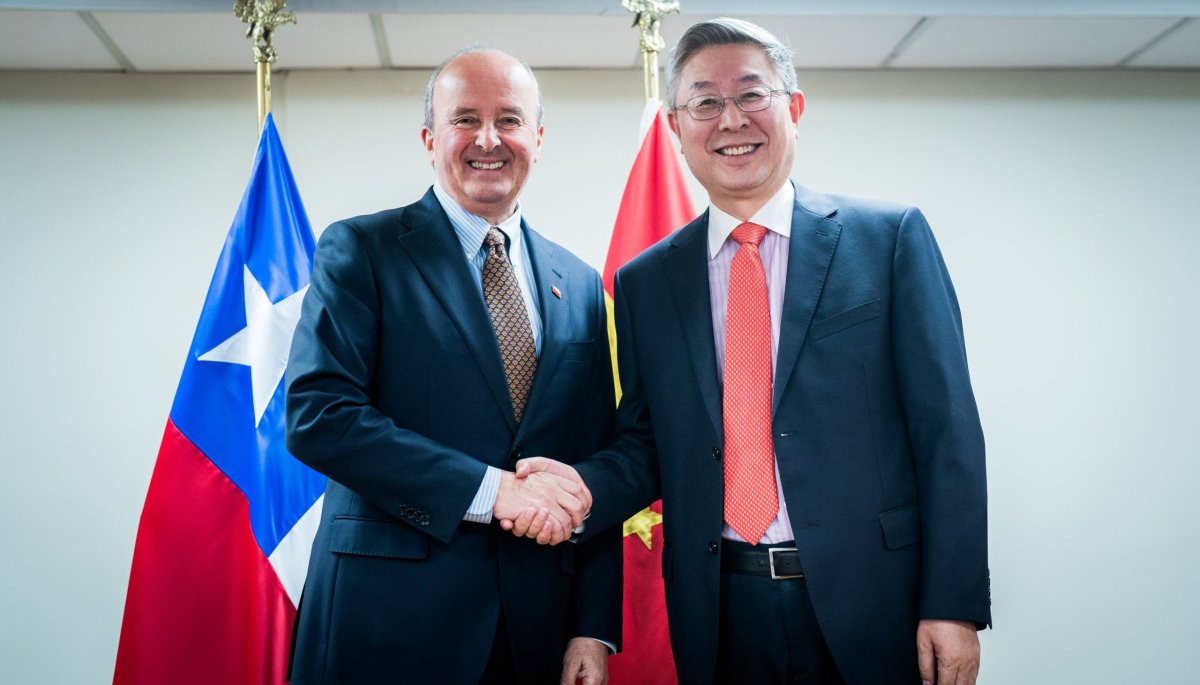
The official readout frames the trip as The meeting between Chilean Undersecretary of Foreign Affairs, Patricio Torres, and Chinese Vice Minister of the Department International of the Communist Party Central Committee, Ma Hui, took place this morning. This interaction, as outlined in a Ministry of Foreign Affairs press release, aims to follow up on key aspects of the bilateral relationship and opportunities for cooperation that Chilean Foreign Minister Francisco Pérez Mackenna and Torres himself discussed during recent visits to China. The statement does not address the volume of trade between the two nations.
Background
This meeting occurs in the lead-up to Chilean President José Antonio Kast’s participation in the Asia-Pacific Economic Cooperation (APEC) Leaders’ Meeting in the Chinese city of Shenzhen. The press release indicates that this APEC summit was also a topic of discussion between the Chilean and Chinese authorities. The event represents a significant opportunity for Chile to engage with a broad range of economic partners. The statement does not mention the specific agenda for the APEC summit.
Furthermore, the encounter is framed within the context of the tenth anniversary of the Comprehensive Strategic Association between Chile and China. The initiative seeks to broaden areas of cooperation and add increased value to commercial exchange, which reached US$67,105 million in 2025. This suggests a sustained commitment to bolstering economic ties between the two countries.
Analysis
The meeting’s focus on trade and cooperation reflects a strategic alignment between Chile and China, particularly as Chile seeks to diversify its economic partnerships beyond traditional markets. The anniversary of the Comprehensive Strategic Association highlights a long-term commitment to deepening bilateral relations. The statement does not address the specific sectors of cooperation being prioritized.
The inclusion of the APEC summit in the discussions underscores Chile’s desire to maintain engagement within key regional economic forums. This suggests a recognition of the importance of China as a major player in the Asia-Pacific region. The meeting’s timing is particularly relevant given the ongoing negotiations surrounding trade agreements and investment flows.
Implications
For policymakers, the meeting signals a continued prioritization of the China relationship within Chile’s broader foreign policy strategy. Should the visit yield positive results, it could strengthen Chile’s position as a key trading partner within the region. The statement does not address potential geopolitical implications of the relationship.
Regionally, the deepening ties between Chile and China could contribute to increased stability and cooperation within the Asia-Pacific region. Increased trade and investment flows could stimulate economic growth in both countries. The statement does not address potential impacts on regional trade dynamics.
Outlook
If the discussions surrounding the APEC summit prove fruitful, it could pave the way for further economic cooperation between Chile and China. Should the Comprehensive Strategic Association anniversary be marked by concrete agreements, it would demonstrate a sustained commitment to deepening bilateral relations. The statement does not address potential challenges or risks associated with the relationship.
Furthermore, the meeting could serve as a platform for dialogue on broader geopolitical issues, such as trade disputes and regional security concerns. However, the statement does not provide any indication of the scope of such discussions.
Conclusion
The meeting between Torres and Ma Hui represents a step in Chile’s ongoing efforts to strengthen its economic ties with China. The focus on trade and cooperation, coupled with the anniversary of the Comprehensive Strategic Association, presents a complex landscape for future policy decisions. The question remains whether these efforts will translate into tangible benefits for Chile’s economy and its place in the Asia-Pacific region.