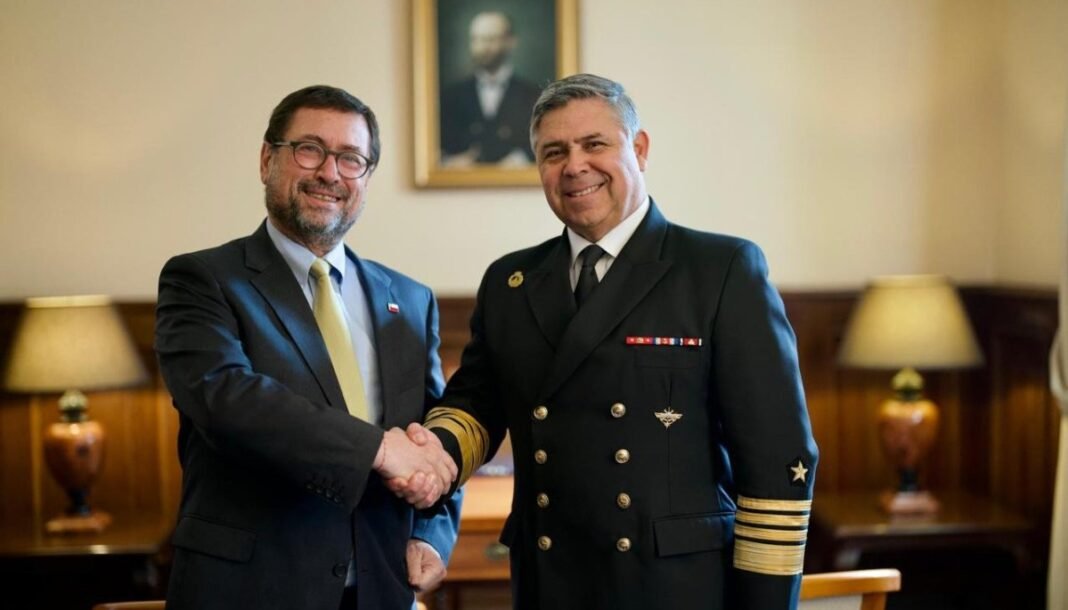
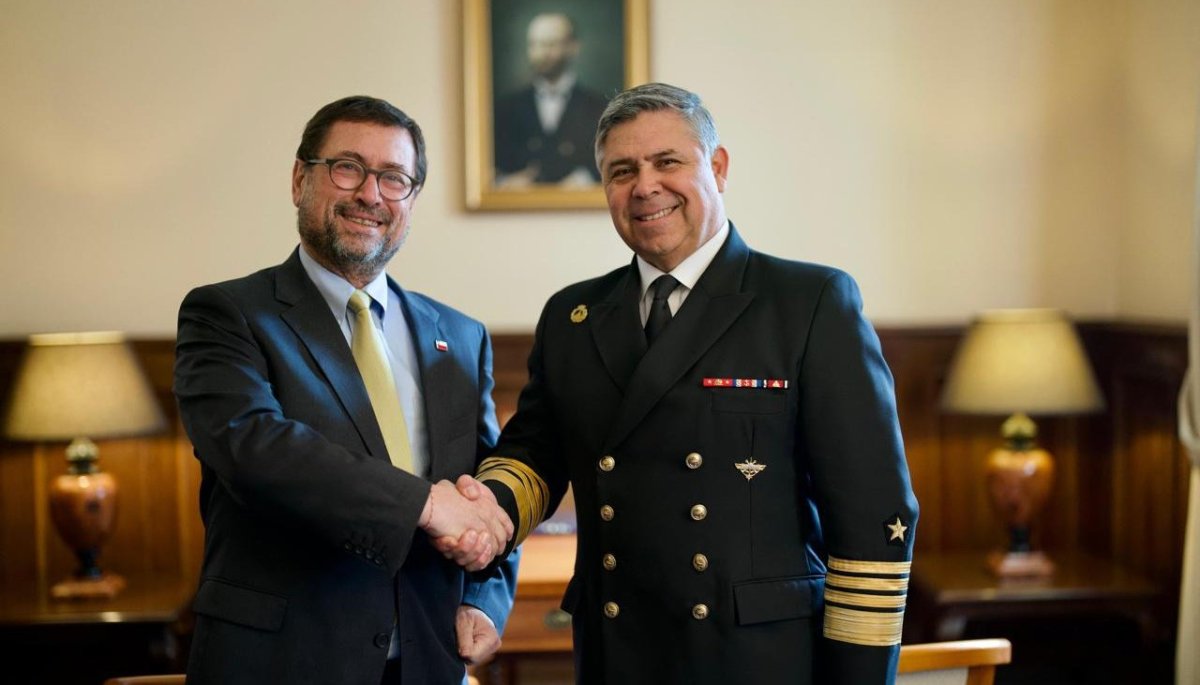
A ministry communiqué confirms that Valparaíso, September 19, 2026 – Minister of Foreign Relations Francisco Pérez Mackenna met today with the Commander-in-Chief of the Navy, Admiral Fernando Cabrera, addressing joint efforts in defense of national sovereignty and Antarctic cooperation. The statement does not address the specific funding allocated for this work. This meeting, held in Valparaíso, highlights a continued emphasis on Chile’s maritime interests, particularly in the context of strategic positioning within the world. The Ministry’s stated priority – the defense of Chilean sovereignty – is framed around the nation’s “mays, estrechos y canales,” recognized as “strategic pillars.”
Background
This meeting follows a series of diplomatic engagements by the Ministry, including an attendance at the Gran Parada Militar 2026 on Saturday, September 19, 2026, and participation in Fiestas Patrias activities on Friday, September 18, 2026. Furthermore, on Thursday, September 17, 2026, the Minister accompanied President Kast in a meeting with the United States Ambassador to Chile, Brandon Judd, at the Palacio de La Moneda. This pattern of engagement suggests a sustained diplomatic strategy, particularly concerning strategic maritime interests. The statement does not address the nature of the relationship between Chile and the United States.
Analysis
The focus on “defense of Chilean sovereignty” indicates a heightened awareness of maritime security challenges, potentially in response to evolving geopolitical dynamics. The prioritization of “mays, estrechos y canales” – the seas, straits, and channels – underscores Chile’s long-held strategic importance in the Pacific. This suggests a renewed emphasis on maintaining a robust naval presence and asserting Chile’s influence in the region. The statement does not address the potential implications of this renewed focus on Antarctic cooperation. The coordination efforts highlighted represent a deliberate effort to consolidate existing institutional capabilities and bolster Chile’s strategic position. This approach reflects a desire to project strength and unity, particularly as Chile navigates a complex international environment.
Implications
For policymakers, the Minister’s actions signal a commitment to strengthening Chile’s strategic maritime capabilities. This prioritization could influence future defense spending and resource allocation. Regionally, the emphasis on sovereignty reinforces Chile’s position as a key player in the Southern Cone and the Pacific. The increased cooperation with the United States, as demonstrated by the meeting with Ambassador Judd, could foster greater collaboration on security matters. The statement does not address the potential impact on trade relations with other nations.
Outlook
Should the visit yield further coordination with international partners, particularly regarding Antarctic research and resource management, Chile could solidify its position as a leading nation in the region. If the Ministry continues to prioritize maritime defense, investment in naval modernization and maritime surveillance technologies is likely. The statement does not address potential challenges or risks associated with this strategic focus.
Conclusion
The meeting in Valparaíso represents a tangible element of the Ministry’s broader diplomatic agenda, but the specific contours of future cooperation remain undefined. The continued emphasis on maritime security and Antarctic engagement underscores a strategic imperative for Chile, leaving open the question of how effectively these efforts will translate into concrete outcomes.